Drought Threatens Hungarian Paprika
Hungary’s traditional paprika farming shrinks amid severe drought and cheap imports
Anonymous
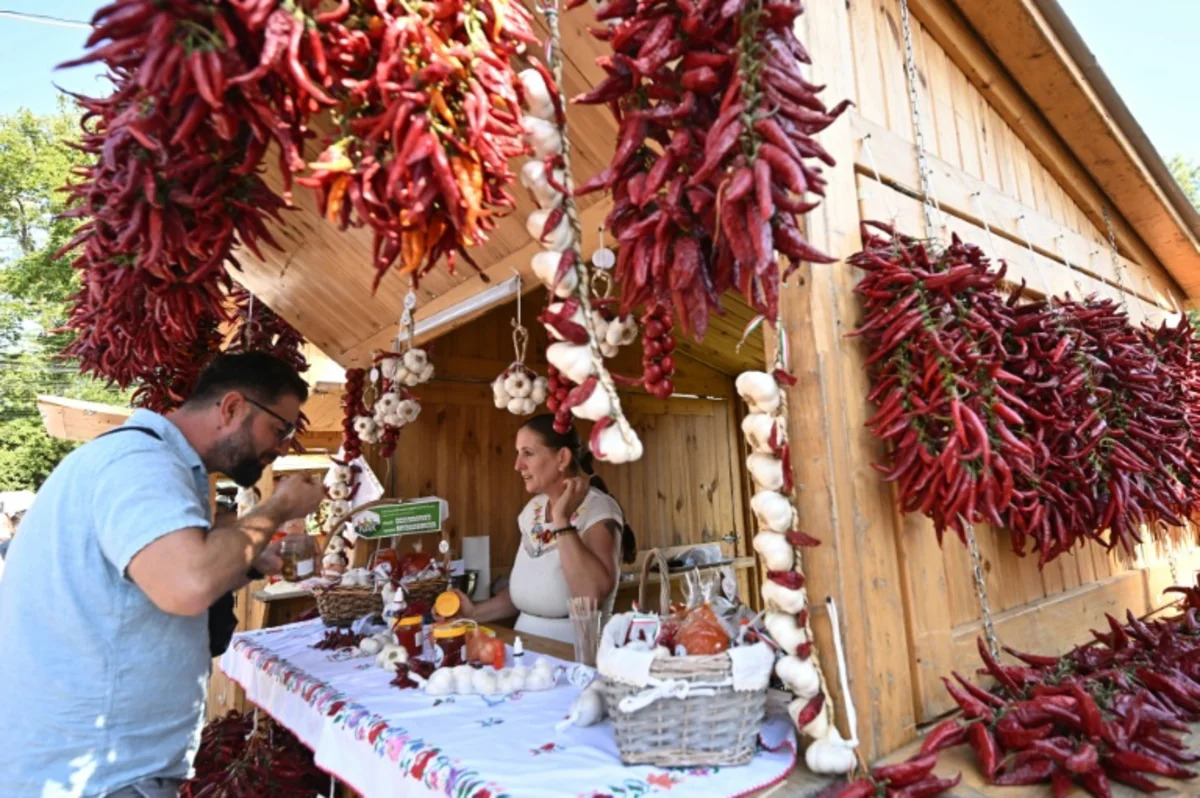
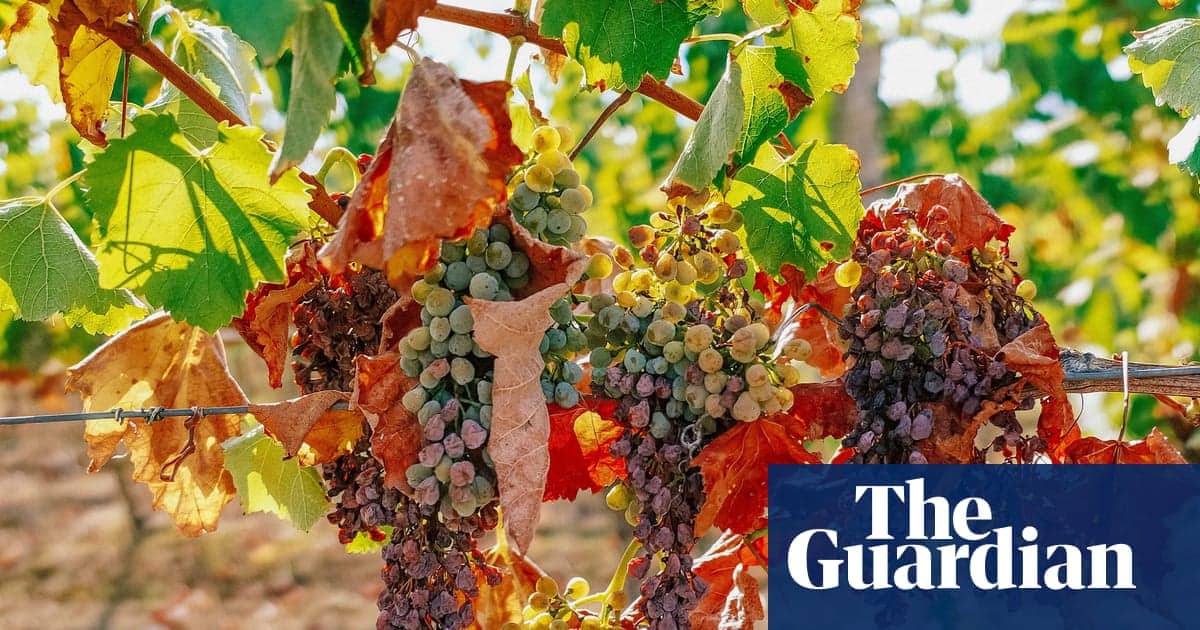
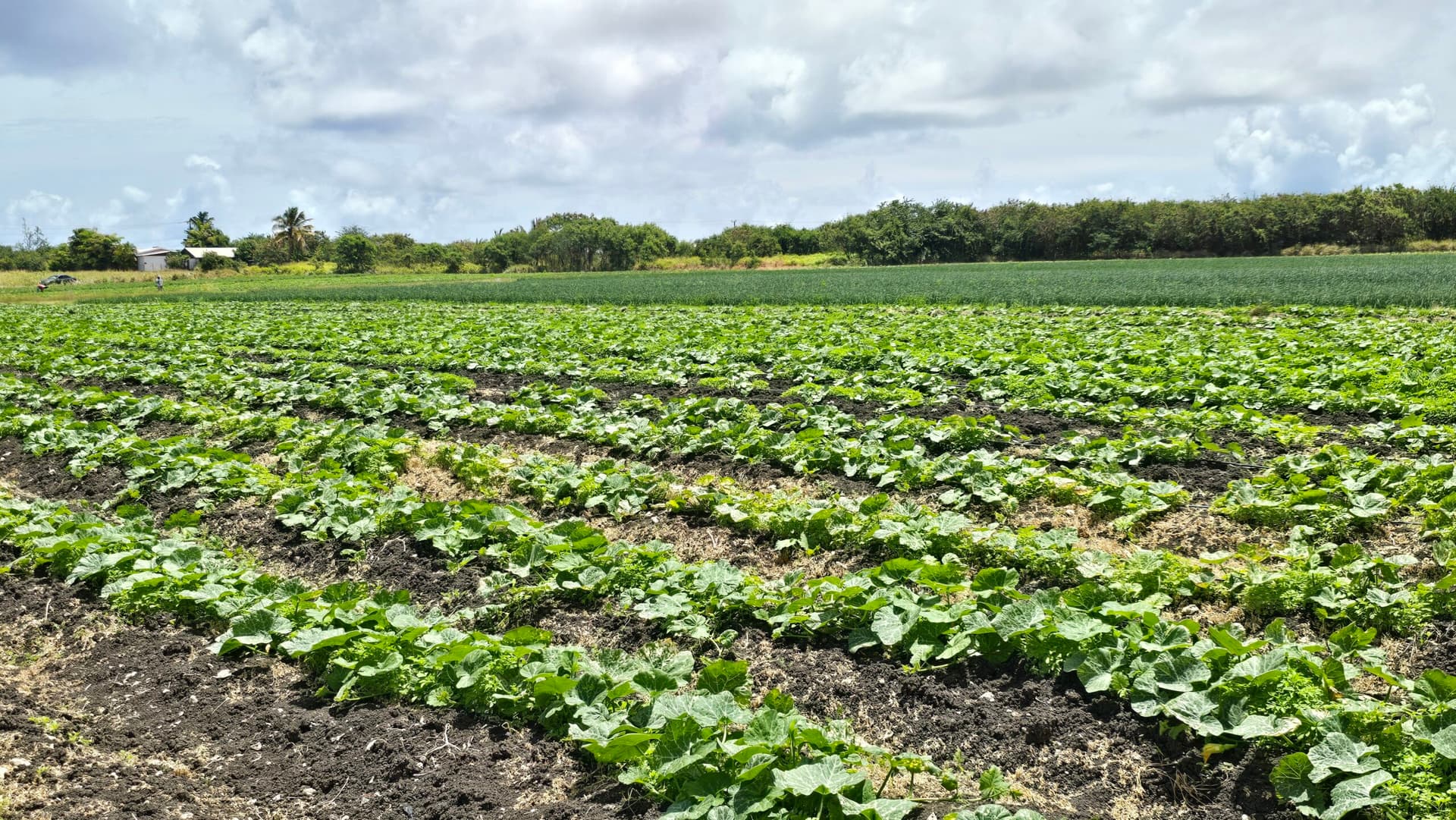
Hungary’s paprika growers are struggling to preserve a traditional crop as hotter, drier conditions, spreading pests, labor shortages and low-cost imports put pressure on small farms. During an exceptionally dry and hot summer, farmers Nikoletta Pajsan Nagy and Laszlo Pajsan worked long days to save their harvest despite being unable to irrigate much of their land; their crop nevertheless turned out well. Paprika cultivation has contracted sharply, from a peak of 13,029 hectares in 1979 to 1,410 hectares in 2024, while some family growers say the work can no longer support a livelihood.
Key Points
1
Hungary’s summer was its driest since national records began in 1901 and its second-hottest on record, according to the weather service HungaroMet.
2
Paprika seller Agnes Toth said her family’s growing area had shrunk from six hectares to about three because there were too few seasonal workers to harvest the peppers by hand.
3
Toth said paprika farming no longer supports a family: “Everyone has a full-time job. I’m a teacher, my brother is a firefighter.”
Sentiment
Mostly NegativeNEGATIVENEUTRALPOSITIVE
Publishers
5
Articles
15
Reach
20
Topics
A
AnonymousAuthor