Drought Deepens Across Texas, Arkansas
Drought Deepens Across Texas, Arkansas
Anonymous
Key Points
1
Texas drought expanded sharply after a relatively wet spring and early summer: the share of the state under at least moderate drought rose from 23% on July 28 to about 81% seven weeks later.
2
The most severe conditions have intensified even faster, with extreme drought rising from 1% to 18% of Texas in seven weeks; the category is concentrated around the Dallas-Fort Worth area, Texoma, much of the Panhandle and a small section of deep South Texas.
3
San Antonio has largely avoided formal drought classification, but Bexar County remains abnormally dry and the city received only 1.88 inches of rain over two months—34% of its normal rainfall for that period.
4
Cattle farmer Ray Law said the drought has effectively persisted for years, saying, “We’re technically in a drought, you can say, since 2019, and it’s really starting to add up.”
Severe drought is gripping Texas and Arkansas, with record heat withering crops, livestock and farm finances across both states. According to drought monitoring data, roughly 81% of Texas now faces at least some drought, with extreme conditions affecting 18% of the state—concentrated around Dallas-Fort Worth, the Panhandle, and parts of South Texas. DTN Progressive Farming reports that the Dallas-Fort Worth area has not received measurable rain since July 16, forcing farmers and ranchers to sell cattle early and delay critical winter planting.
The drought emerged suddenly after a wet spring and early summer. In just seven weeks, the share of Texas under moderate drought or worse jumped from 23% to 81%, while extreme drought expanded from 1% to 18%. Cattle farmer Ray Law summed up the longer crisis: "We're technically in a drought, you can say, since 2019, and it's really starting to add up." Water supplies are dwindling fast, and farmers fear lasting damage to crops, trees and livestock without substantial rain soon.
Heat and Drought Destroy Summer Crops and Gardens
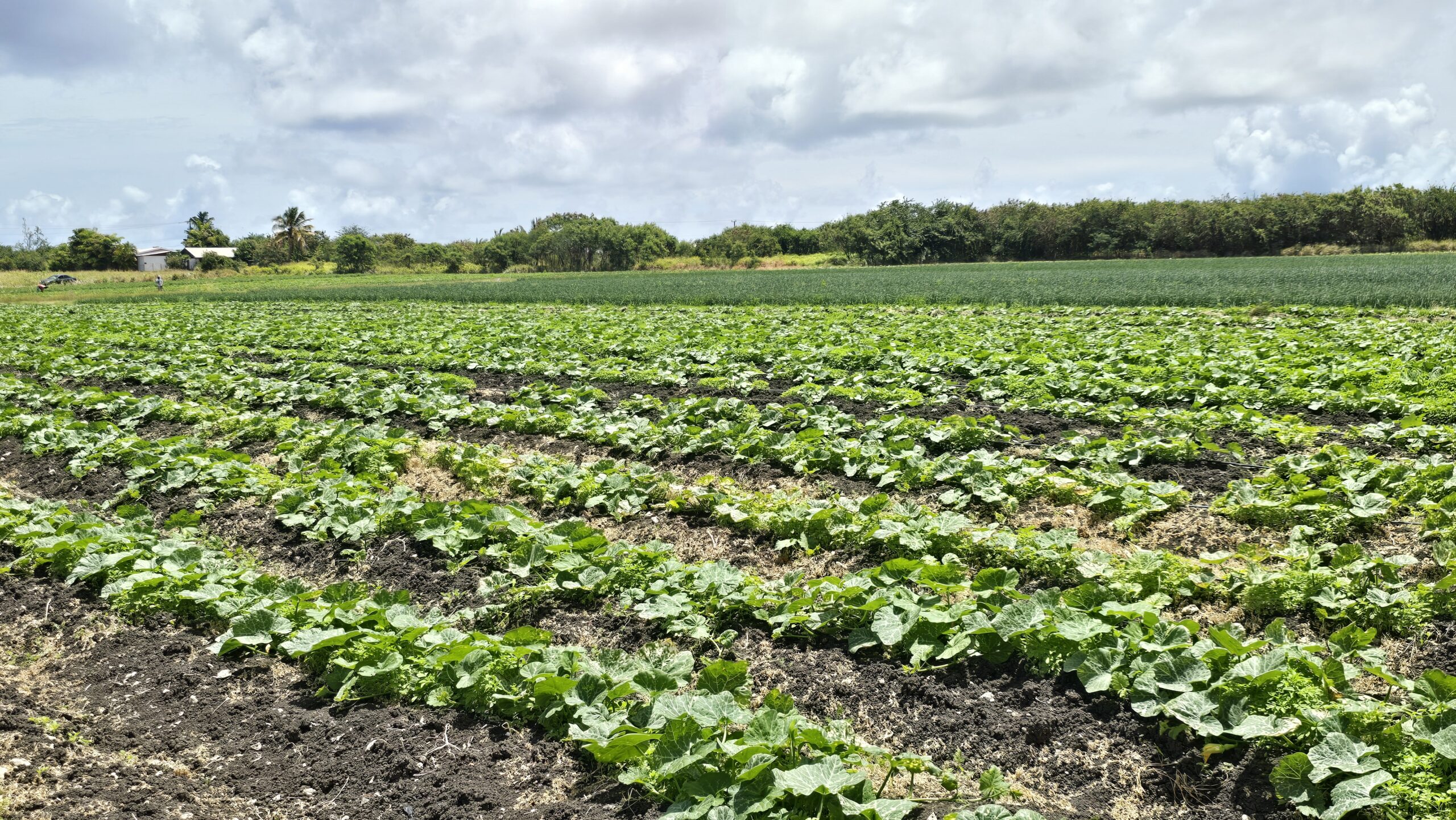
Late summer brought brutal conditions across the South. Arkansas Online reports that gardeners faced too many 100-plus-degree days and far too little rain. Many gave up on their gardens entirely, while trees and shrubs withered from lack of water. The heat wave left most gardens damaged or destroyed, setting gardeners back months in their growing plans.
In Northeast Arkansas, soybean and rice yields are dropping sharply due to the heat and drought. Over-dried rice has cut milling returns by an estimated 40 to 60 cents per bushel—a major loss for farmers already squeezed by higher production costs. Grain quality has also suffered, forcing buyers to downgrade their purchases and pay less per unit.
Winter Wheat Planting Stalls as Soil Runs Dry
Farmers in Texas and Arkansas need to plant winter wheat and oats soon, but bone-dry soil is making it nearly impossible. Without rain, seeds cannot germinate and establish roots before cold weather arrives. DTN Progressive Farming notes that delayed planting threatens the coming year's harvest and could push up food prices if yields fall short.
The planting delays compound an existing crisis. Hay and forage growth has failed or slowed dramatically, leaving ranchers short on feed for livestock. Pond and tank levels are dropping fast. Many farmers have already sold cattle ahead of schedule just to reduce feed costs—a forced decision that cuts into long-term herd health and future profits.
San Antonio and South Texas Show Mixed but Worsening Signals
San Antonio has largely escaped formal drought classification, but nearby Bexar County remains abnormally dry. Over two months, the city received only 1.88 inches of rain—just 34% of its normal rainfall for that period. While not yet in extreme drought, the trend mirrors the rapid deterioration seen across the rest of Texas and signals that South Texas could shift into crisis mode quickly.
Extreme drought is already concentrated in small sections of deep South Texas, and the dry pattern is moving south. If rain does not arrive soon, water supplies in San Antonio and surrounding counties will face mounting stress. Gardens, lawns, and agricultural operations across the region are running on fumes, with livestock and crop damage accelerating week by week.
Sentiment
Mostly NegativeNEGATIVENEUTRALPOSITIVE
Publishers
19
Articles
8
Reach
27
A
AnonymousAuthor


