Buxa Tiger Reserve Release
Royal Bengal Tigress Released into Buxa Tiger Reserve in Major Conservation Effort
Anonymous
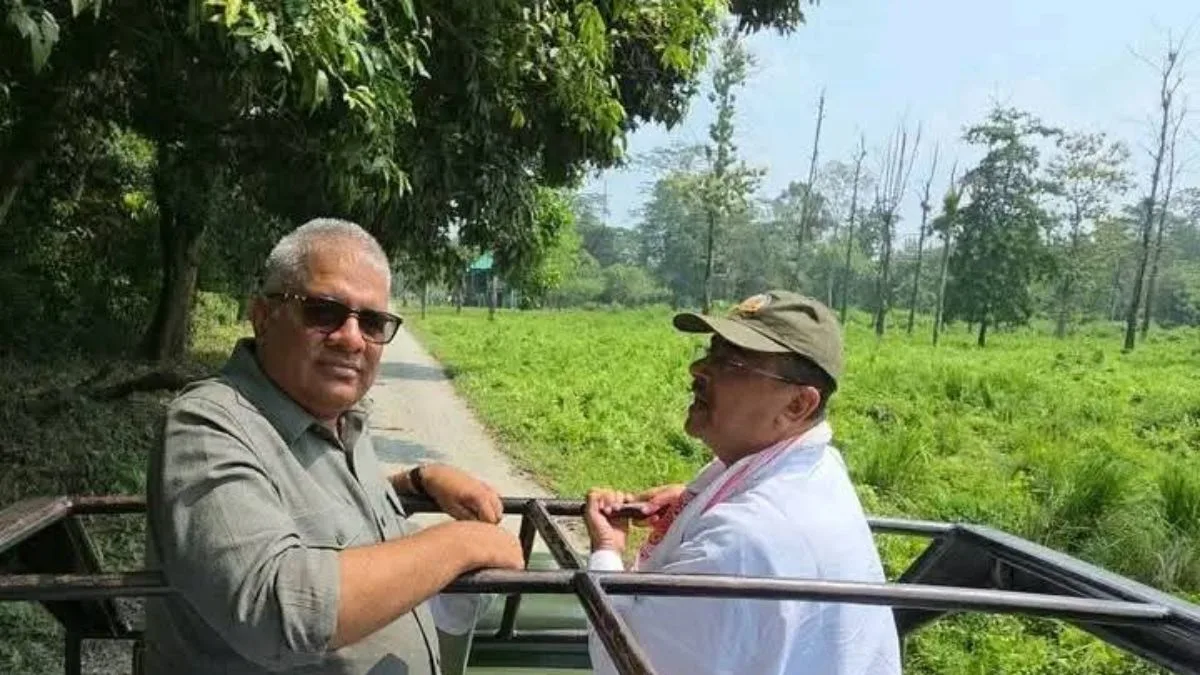
A three-year-old Royal Bengal Tigress has been released into Buxa Tiger Reserve in West Bengal, marking the first tiger reintroduction in the reserve's core zone in eight years Hindustan Times. The release is part of a major push to restore the region's tiger population and represents a turning point for wildlife conservation in north Bengal The Statesman.
Union Environment Minister Bhupender Yadav called the reintroduction 'the beginning of a new chapter in tiger conservation in India' The Statesman. The effort aims to address ecological imbalance while boosting sustainable tourism and managing human-wildlife conflict in the biodiverse Dooars region Digg.
Tigress Comes From Bihar's Valmiki Reserve
The three-year-old tigress was brought from Bihar's Valmiki Tiger Reserve to Buxa Hindustan Times. This marks the first time in eight years that a tiger has been released into the reserve's protected core zone. The selection of this young female tigress was strategic. Officials chose her based on her health, age, and breeding potential to establish a stable population.
Six Tigers Planned Over Four Years
Bengal's Forest Minister Manoj Kumar Oraon announced an ambitious plan to introduce six tigers into Buxa Tiger Reserve in phases over the next four years The Statesman. This phased approach allows biologists to monitor each animal's adaptation before introducing the next one. The gradual strategy reduces stress on both the tigers and the local ecosystem.
Habitat Improvements Support Long-Term Success
The reintroduction effort includes habitat corridor development and prey base enhancement across the reserve Digg. These improvements create safe passage between protected areas and ensure tigers have enough wild boar, deer, and other food sources. Strong prey populations are essential for tigers to thrive without hunting livestock.
Tourism and Economic Benefits for North Bengal
Bengal Chief Minister Suvendu Adhikari announced plans to leverage Buxa's natural resources to attract global tourists The Statesman. The state government hopes tiger presence will draw wildlife enthusiasts and generate revenue for local communities. This economic incentive can help reduce human-wildlife conflict by making conservation more valuable to residents than poaching or habitat destruction.
Sentiment
Mostly PositiveNEGATIVENEUTRALPOSITIVE
Publishers
20
Articles
14
Reach
34
Topics
A
AnonymousAuthor