India Investigates Trafficking of Five Baby Orangutans
India Investigates Trafficking of Five Baby Orangutans
Anonymous
Key Points
1
The five orangutans comprise three males and two females and are estimated to be between six months and 18 months old; caretakers are reportedly using music therapy to help them cope with separation from their mothers.
2
Nandankanan veterinarians have placed the infants in a temperature-controlled room, protected them with mosquito nets and are feeding them milk every two hours, along with apple and banana fluids and boiled potatoes.
3
International commercial trade in orangutans is prohibited under CITES, and Indonesian conservation groups—including the Leuser Ecosystem Foundation, Indonesian Wildlife Network, Center for Orangutan Protection and Indonesian Orangutan Forum—have offered to assist with repatriation.
4
The animals’ vulnerability is heightened by their prolonged dependence on their mothers: Sumatran orangutans are reportedly weaned at about seven years old. The species had an estimated population of just over 13,500 in 2016, according to the IUCN.
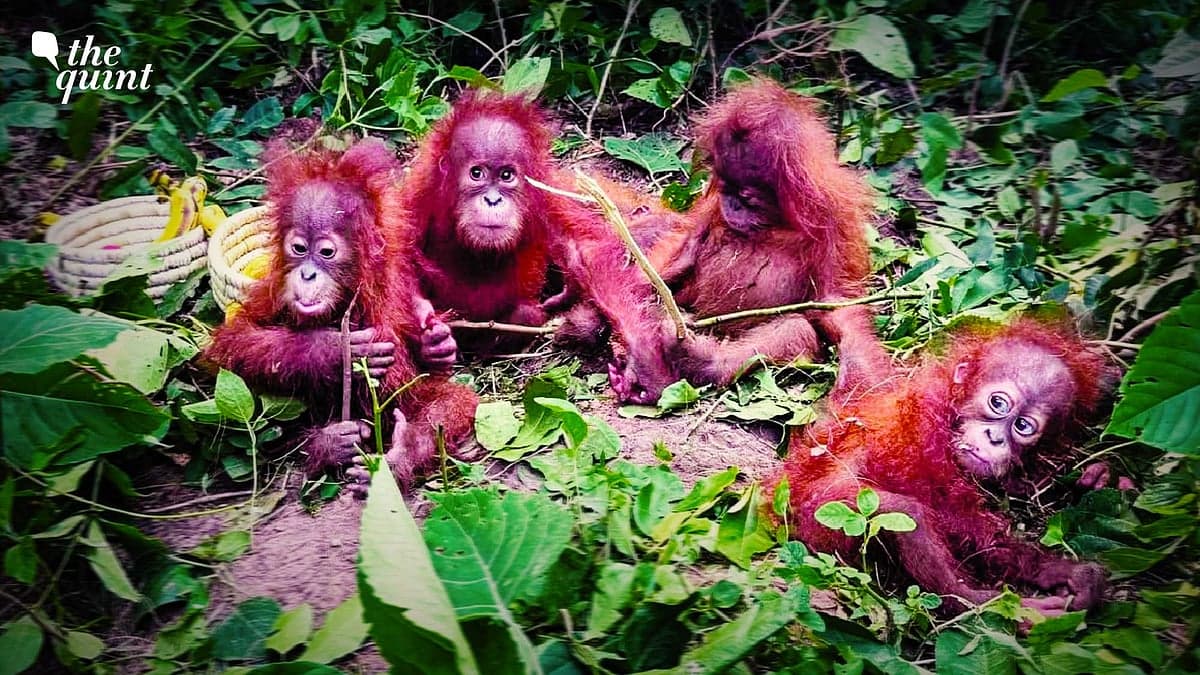
Five baby orangutans rescued from a forest in Odisha, India on September 8 are stable but under close watch at Nandankanan Zoological Park. Times of India reported that veterinarians have collected blood and urine samples to assess their health, with one infant developing a fever. Indian authorities suspect the critically endangered animals were trafficked from Southeast Asia and have launched a trafficking investigation.
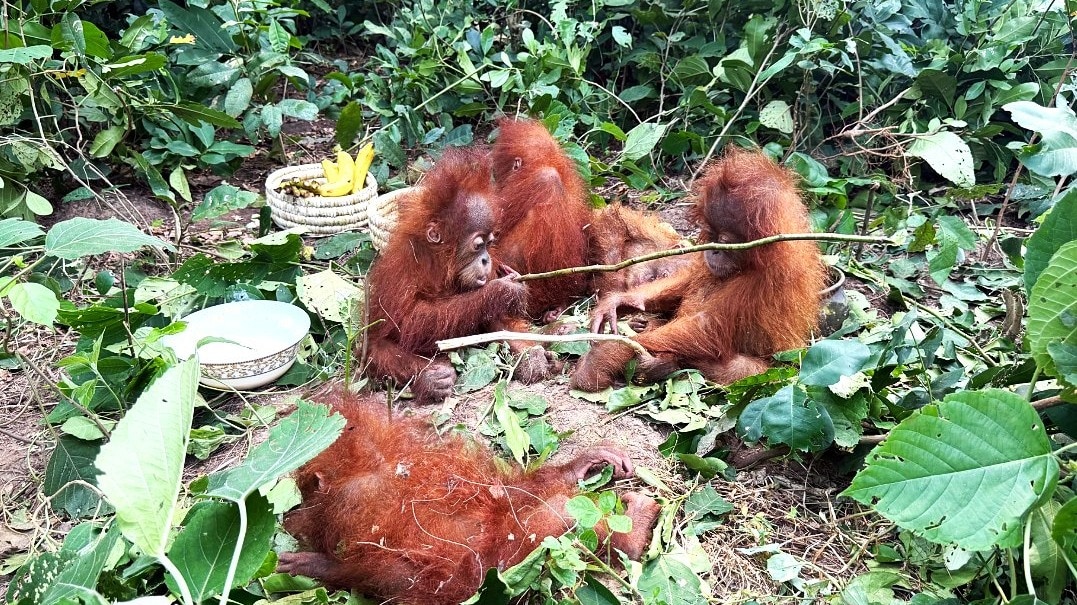
The three male and two female orangutans, estimated between six months and 18 months old, are receiving round-the-clock care in a temperature-controlled room. OMMU Commonwealth News reported that two of the five were found to be anaemic. Investigators are examining suspected smuggling routes and a black SUV spotted near where the animals were abandoned.
Intensive Care and Music Therapy for Orphaned Infants
The orangutans are receiving specialized care at Nandankanan Zoo. Caretakers have placed them in mosquito-protected rooms and feed them milk every two hours, along with apple and banana fluids and boiled potatoes. Kalinga TV reported that a technical panel from the forest department is conducting detailed expert assessments of the animals' health and development.
Staff are using music therapy to help the infants cope with separation from their mothers. The animals' vulnerability is heightened by their long dependence on maternal care—Sumatran orangutans are typically weaned at about seven years old. One infant's fever required veterinary intervention, but all five remain stable.
Species Identification and Trafficking Investigation Underway
Preliminary physical assessments suggest the orangutans may be Sumatran orangutans, but DNA testing is needed to confirm their species and genetic origin. Business News This Week reported that wildlife experts from Mysuru Zoo, Odisha University of Agriculture and Technology, and central wildlife agencies are conducting comprehensive medical assessments. Investigators are examining suspected smuggling routes, including a possible sea crossing into West Bengal.
A black SUV seen near the abandonment site is a key investigative lead. The Wildlife Crime Control Bureau and Odisha's Special Task Force are working to trace how the animals entered India and identify smuggling networks. Odisha TV noted that officials are examining the animals' rescue location in Balasore's Bhograi area for additional clues.
International Coordination for Repatriation and Conservation
Indonesia is coordinating with Indian authorities to secure judicial approval for repatriating the orangutans to a specialized rehabilitation facility. International commercial trade in orangutans is prohibited under CITES, the global wildlife trade treaty. Indonesian conservation groups—including the Leuser Ecosystem Foundation and the Center for Orangutan Protection—have offered assistance with the repatriation process.
Before repatriation, the orangutans will undergo health checks and behavioral assessments. Sumatran orangutans face severe threats: the IUCN estimated their population at just over 13,500 in 2016. Habitat loss, poaching, and illegal trafficking continue to endanger the species, making this rescue and investigation critical for conservation efforts.
Sentiment
Mostly NegativeNEGATIVENEUTRALPOSITIVE
Publishers
28
Articles
20
Reach
48
A
AnonymousAuthor