Coal Ash Highway Reuse
U.S. Highway Agencies Successfully Reuse Coal Fly Ash in Construction Projects
Anonymous
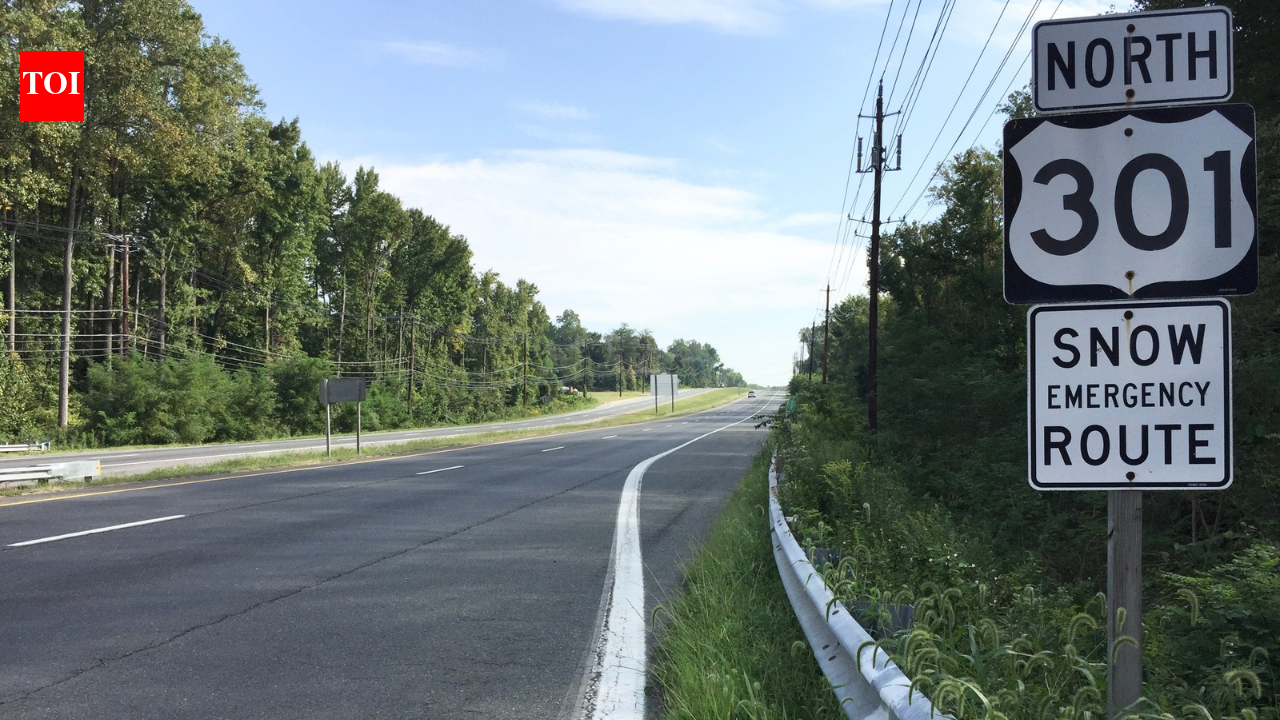
For decades, U.S. highway agencies have reused coal fly ash as road-base material and structural fill, turning an abundant power-plant waste into construction material. Georgia road tests in the 1980s found ash-treated sections performed well, while Delaware used nearly 10,000 tons beneath I-495 interchange ramps; monitoring found minimal settlement and no significant environmental effects over two years. Maryland used about 60,000 tons in highway embankments near Centreville, where researchers detected elevated constituents in water within the ash fill but found no discernible impact on groundwater quality. Together, the projects show both the engineering potential of coal ash reuse and the importance of monitoring for leaching and other environmental effects.
Key Points
1
Coal-ash road-base use dates to the 1950s, when a patented lime, fly ash and aggregate mixture was developed. A 1992 survey found at least 22 states had experimented with fly ash in stabilized road bases or subbases.
2
Georgia’s 1985 State Route 22 trial included separate 1,000-foot pond-ash and 800-foot fly-ash base sections, each about 215 millimetres thick, within a 2.6-kilometre road relocation.
3
For the Delaware I-495 project, engineers installed four groundwater-monitoring wells and four collection drains, and gathered runoff and leachate samples as part of the environmental monitoring.
4
At the Maryland embankment, crews placed the ash in compacted 8-inch lifts, moistened it to about 20 percent, and covered the completed fill with two feet of sandy clay.
Sentiment
Mostly NegativeNEGATIVENEUTRALPOSITIVE
Publishers
8
Articles
5
Reach
13
Topics
A
AnonymousAuthor


