Fall Vaccine Push
Wisconsin health officials urge residents to get vaccinated ahead of respiratory virus season.
Anonymous
Key Points
1
Aspirus physician Bill Johnston said getting vaccinated in September or October gives the body time to build immunity before respiratory illnesses become more widespread.
2
Wisconsin’s Vaccines for Children and Vaccines for Adults programs may help families get vaccinations at no cost.
3
State epidemiologist Ryan Westergaard encouraged people with vaccine questions or concerns to talk with their doctor or pediatrician, saying clinicians would be happy to discuss hesitancy.
Wisconsin health officials are urging residents to get flu, COVID-19, and RSV vaccines before fall illness season arrives. WAOW reported that vaccination now can prevent serious illness and hospital visits. Last year, these three viruses caused nearly 11,000 Wisconsin hospitalizations, with older adults hit hardest.
Flu tests are already running slightly higher than last year, though illness activity remains low overall. State Epidemiologist Ryan Westergaard said getting vaccinated in September or October gives bodies time to build immunity before viruses spread widely. Gazette Extra noted that respiratory illnesses disrupt school, work, and family routines every fall and winter.
Three Vaccines Now Recommended for Fall
Updated flu and COVID-19 vaccines are recommended annually for everyone 6 months and older. RSV vaccination is recommended for adults 75 and older and for certain pregnancies. A newly approved mRNA flu vaccine is available for adults 50 and older, though supplies will be limited. All three vaccines work to reduce the risk of severe disease.
Vaccinating Early Builds Immunity Before Peak Season
Getting shots now is timing-critical. Aspirus physician Bill Johnston explained that vaccinating in September or October gives the immune system weeks to develop protection. By the time respiratory viruses peak in winter, bodies will be ready. Low illness activity right now is the ideal window to protect yourself.
Wisconsin Flu Vaccination Rates Dropped Sharply
Last season, only 33.8% of Wisconsin residents got a flu shot. Before the pandemic, roughly 50% were vaccinated annually. Antiogo Journal reported that this gap matters: lower vaccination rates mean more people get sick. WAOW notes that vaccines ease pressure on hospitals during peak season.
Free Vaccines and Doctor Guidance Available Now
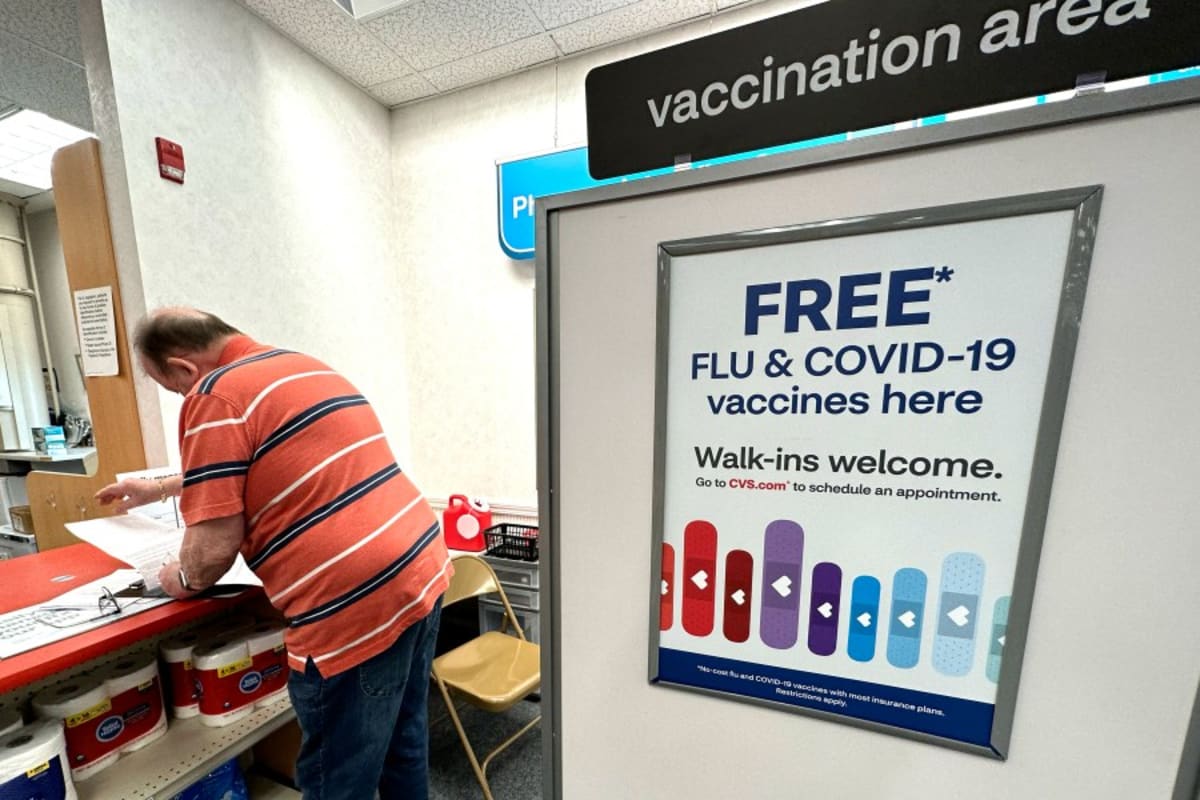
Vaccines are available at pharmacies, health departments, and community clinics. Wisconsin's Vaccines for Children and Vaccines for Adults programs may cover costs at no charge. State Epidemiologist Ryan Westergaard encouraged people with hesitations to talk with their doctor or pediatrician. Clinicians are ready to answer vaccine questions and concerns directly.
Sentiment
Mostly NegativeNEGATIVENEUTRALPOSITIVE
Publishers
17
Articles
30
Reach
47
A
AnonymousAuthor