Rising West Nile Cases
West Nile virus activity rises sharply across multiple U.S. communities, prompting urgent prevention warnings.
Anonymous
Key Points
1
Of Los Angeles County’s 90 neuroinvasive cases, 70 involved encephalitis, 12 involved meningitis and eight caused acute flaccid paralysis.
2
Los Angeles County last reached at least 100 cases in 2017, when it ultimately recorded 268 cases over the full mosquito season; officials said this year’s total is the highest this early in nearly a decade.
3
Los Angeles officials said the county’s mosquito season generally runs from June through November, and local officials attributed the early start this year to storms followed by hot, humid conditions.
4
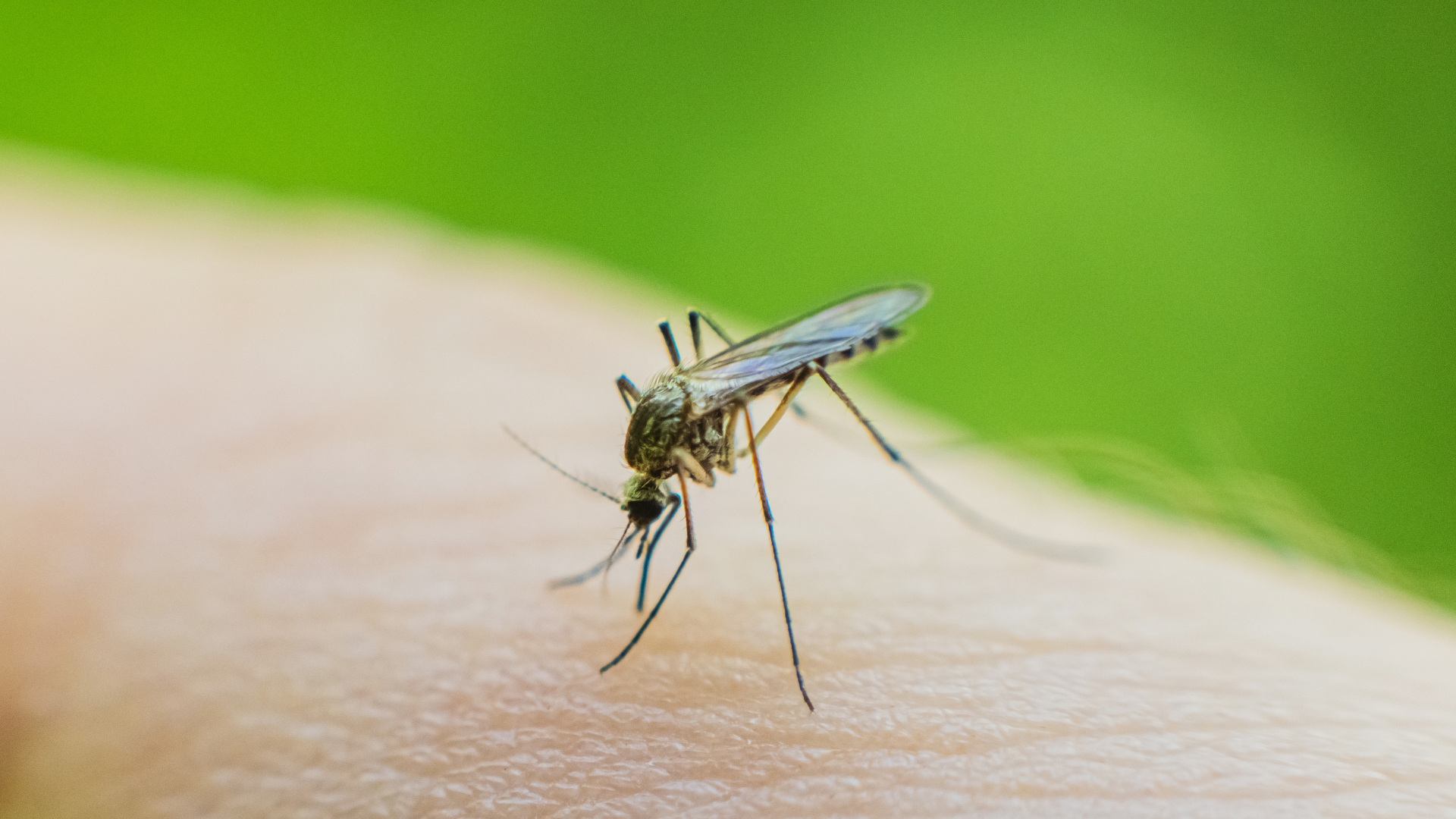
West Nile virus is not transmitted directly between people, animals and people, or animals and animals; mosquitoes typically acquire it after feeding on infected birds.
5
Georgia had recorded eight human West Nile cases and one death statewide this year, according to state health data, while DeKalb County had reported no human infections despite the positive mosquito traps.
West Nile virus is spreading faster than usual across U.S. communities this season. Los Angeles County has recorded 100 cases by early fall—the highest count at this point in nearly a decade—including 90 neuroinvasive infections, 94 hospitalizations and five deaths. Health officials are urging residents to use mosquito repellent, wear protective clothing and eliminate standing water around their homes.
The virus has also reached new areas. Wisconsin health officials confirmed Racine County's first human case of the year, while Georgia reported four additional mosquito-trap detections in DeKalb County, bringing that location to 14 sites with the virus. Most West Nile infections cause no symptoms or mild illness, but older adults and people with weakened immune systems face serious risks of brain or spinal-cord disease.
Los Angeles County Faces Worst Early Season in Years
Los Angeles County is experiencing its most active West Nile season in a decade so far. Of the 100 cases recorded, 90 are neuroinvasive—meaning the virus attacked the brain or spinal cord. Seventy cases involved encephalitis, 12 involved meningitis and eight caused acute flaccid paralysis. The county last hit 100 cases in 2017, when the full season reached 268 cases.
Local weather set the stage for early spread. Storms followed by hot, humid conditions created ideal breeding grounds for mosquitoes. The county's mosquito season typically runs June through November, but this year's early explosion has alarmed public health officials. They are expanding surveillance, increasing mosquito-control treatments and stepping up public outreach to slow transmission.
Virus Detected in Multiple States Beyond California
West Nile cases and detections are spreading across the country. Walla Walla County in Washington reported its first human case of 2026, with the infected resident recovering after likely contracting the virus locally. Placer County in the Sacramento area recorded its first case this season, while Wisconsin confirmed Racine County's first human infection of the year.
Meanwhile, Suffolk County on Long Island reported its fourth human case and second in Brookhaven. Georgia statewide has recorded eight human cases and one death this year, though DeKalb County has found the virus in 14 mosquito-trap locations with no human cases reported yet. Each detection signals that transmission remains active across multiple regions.
How the Virus Spreads and Who Faces Greatest Risk
West Nile virus travels through mosquito bites, not directly between people or between people and animals. Mosquitoes typically pick up the virus after feeding on infected birds, then transmit it to humans during subsequent bites. Most infected people experience no symptoms or develop only mild illness like fever and body aches.
Older adults and people with weakened immune systems face the highest risk of severe disease. They can develop life-threatening neuroinvasive infections that cause brain inflammation or paralysis. Health officials recommend using EPA-registered insect repellent, wearing long sleeves and pants, avoiding peak mosquito hours at dawn and dusk, eliminating standing water, and maintaining intact window and door screens.
Sentiment
Mostly NegativeNEGATIVENEUTRALPOSITIVE
Publishers
24
Articles
35
Reach
59
A
AnonymousAuthor


