Cyprus, Egypt Discuss Eastern Mediterranean Security Cooperation
Cyprus, Egypt Discuss Eastern Mediterranean Security Cooperation
Anonymous
Key Points
1
During the meeting, Cyprus’s Defence Minister Vasilis Palmas praised Egypt’s efforts to reduce regional tensions and address irregular migration, and said Cyprus wanted closer coordination with Cairo on shared Mediterranean challenges.
2
Palmas said Cyprus occupies a distinct diplomatic position as the only European Union member in the Eastern Mediterranean and can engage with regional countries other than Turkey, giving it a potential mediating role.
3
Before the Independence Day parade, Palmas is expected to travel to Cairo for a trilateral meeting with his Greek and Egyptian counterparts; the parade is also expected to include Greek Defence Minister Nikos Dendias and representatives of the Egyptian armed forces.
4
The Cyprus Mail column says Turkey has stationed combat drones at Lefkoniko Air Base in the north of the island and is upgrading coastal facilities, developments the author presents as part of the security pressure facing Cyprus.
5
As an alternative to deeper integration with foreign defense coalitions, the column recommends emphasizing asymmetric territorial defense, including mobile Exocet coastal missiles, man-portable air-defense systems and loitering munitions.
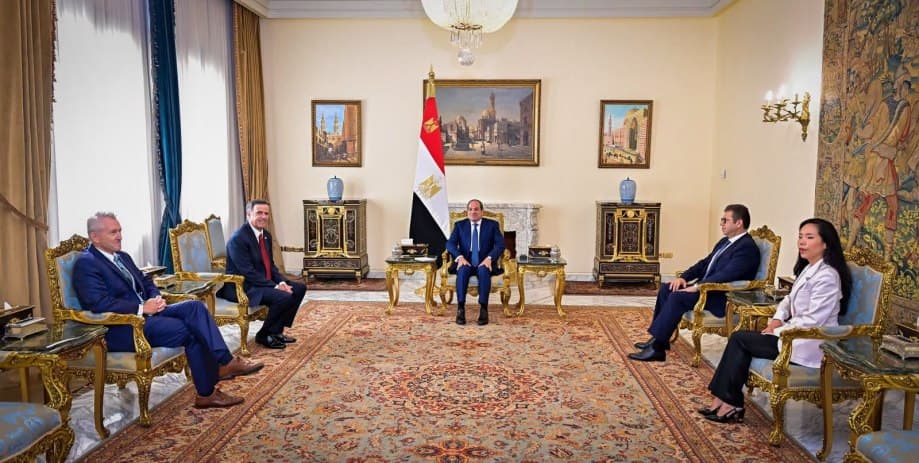
Cyprus and Egypt are deepening military ties to boost security across the Eastern Mediterranean, with Cyprus Defense Minister Vasilis Palmas calling for closer coordination with Cairo on shared challenges. Greek City Times reports that Greece, Cyprus, and Egypt have agreed to strengthen military cooperation and improve their ability to mount a rapid, unified response to future security threats. The move reflects growing concerns about regional stability amid tensions with Turkey.
Cyprus is showcasing its military capabilities at its October 1 Independence Day parade, where an Israeli-made Barak MX air-defense system will be displayed. Cyprus Mail reports that Greek and Egyptian officials will attend the parade, reinforcing trilateral coordination. Palmas emphasized that Cyprus occupies a unique diplomatic position as the only EU member in the Eastern Mediterranean, allowing it to engage with regional partners beyond Turkey.
Egypt and Cyprus Align on Mediterranean Security
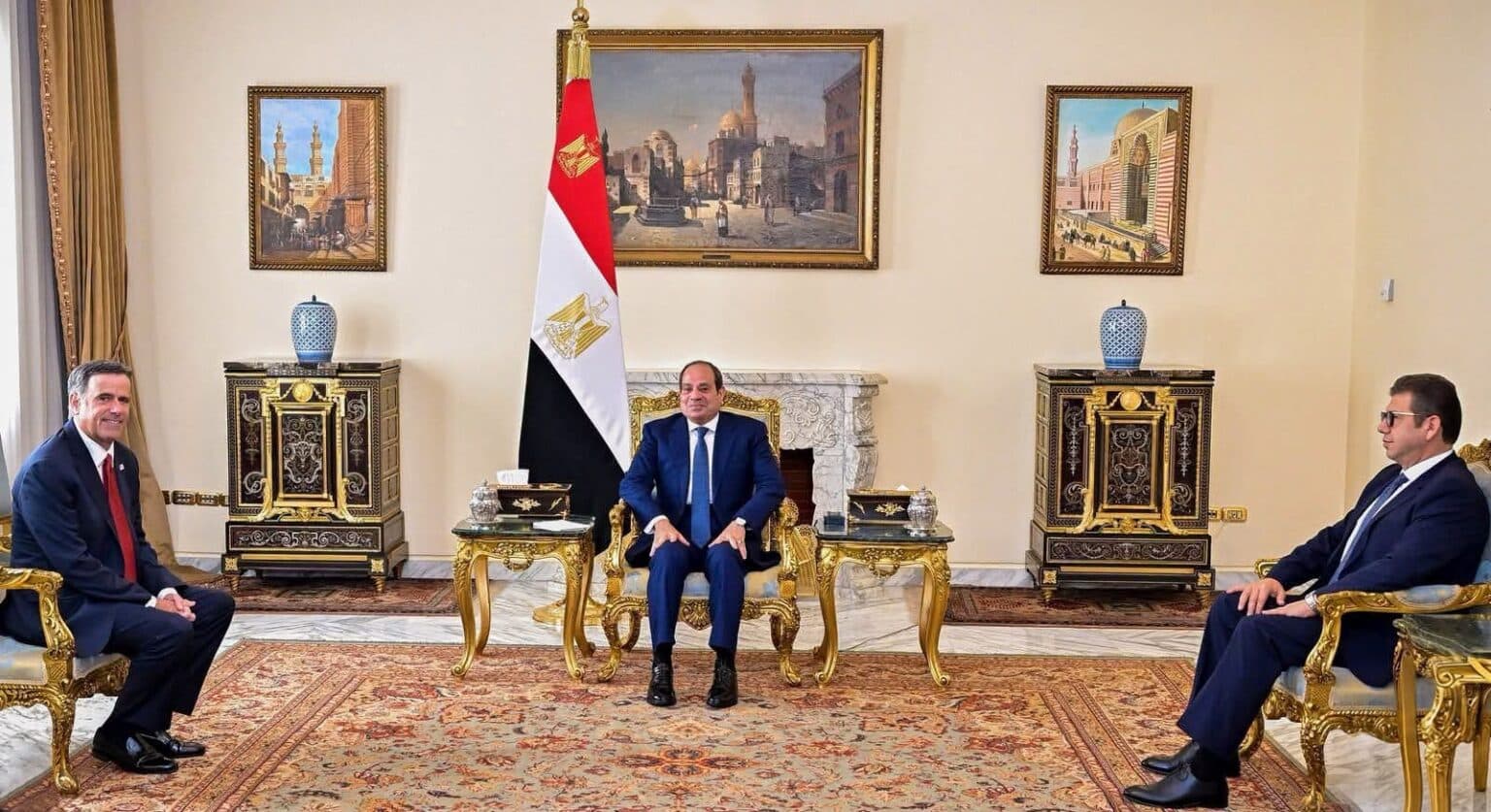
During talks in Cairo, Palmas praised Egypt's efforts to reduce regional tensions and address irregular migration. Greek City Times reported that the two countries agreed to deepen strategic and defense cooperation. Cyprus views Egypt as a critical partner for tackling shared Mediterranean challenges, particularly illegal migration and maritime security threats.
President Abdel Fattah El-Sisi emphasized the importance of trilateral coordination with Greece to promote Eastern Mediterranean stability. The three nations plan to hold a trilateral meeting with their defense ministers before Cyprus's October 1 parade, signaling a deepening security partnership.
Cyprus Balances Independence With Regional Alliances
Cyprus has built interoperable defense systems with Greece and Israel that strengthen regional security, Palmas said. However, Cyprus remains outside the Greece-Israel Achilles Shield agreement, which the defense minister described as strictly bilateral. This careful positioning allows Cyprus to coordinate with multiple regional partners without fully committing to formal military blocs.
Palmas stressed that Cyprus's geographic position and EU membership give it a distinct diplomatic role. The island can engage with regional countries other than Turkey, potentially positioning it as a mediator in Eastern Mediterranean disputes.
Turkey's Military Buildup Drives Cyprus Deterrence Strategy
Turkey has stationed combat drones at Lefkoniko Air Base in northern Cyprus and is upgrading coastal facilities, according to Cyprus Mail. These moves represent growing security pressure on the island. Cyprus is responding by upgrading its military capabilities, including the Barak MX air-defense system that will be displayed at the Independence Day parade.
A Cyprus Mail opinion column argues that Cyprus should emphasize asymmetric territorial defense rather than deeper integration with foreign military coalitions. The author recommends mobile Exocet coastal missiles, man-portable air-defense systems, and loitering munitions to strengthen island deterrence without relying heavily on international partners.
Greece-Turkey Tensions Continue After Detente Ends
The period of de-escalation between Greece and Turkey has ended, The Nation View reported. Armed fighter jets and airspace violations have returned to the Aegean Sea as tensions resume. This deteriorating regional climate is driving Cyprus and Greece to strengthen their military partnerships and coordinate defense strategies more closely.
Sentiment
Mostly PositiveNEGATIVENEUTRALPOSITIVE
Publishers
18
Articles
10
Reach
28
Topics
A
AnonymousAuthor