Deportations Amid Safety Warnings
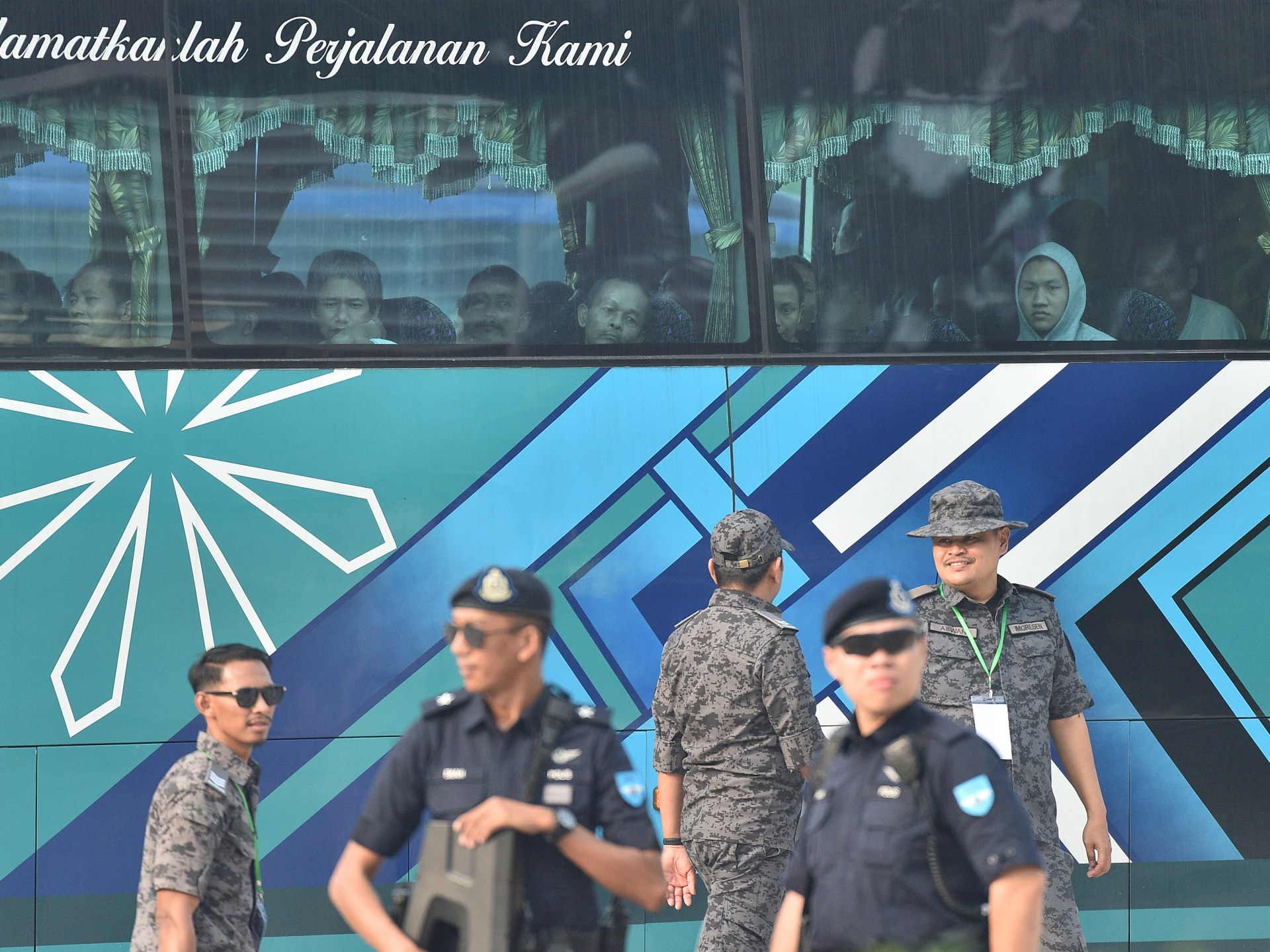
Malaysia deports nearly 1,500 Myanmar nationals to Yangon amid severe UN safety warnings.
Anonymous
Key Points
1
Myanmar state media reported that the returnees included 86 women and had been convicted of illegal stay and other immigration violations in Malaysia.
2
UN special rapporteur Kelley E. Currie said Malaysia’s duty under international law to prevent refoulement applied, adding: “In my assessment, the risk of refoulement in the present circumstances is substantial.”
3
One returnee, Kyaw Swar Thein, said he had spent a year and eight months in detention, developed scabies, and wanted to return home; he described his prospects afterward as unclear.
4
A grandfather who came to collect three grandchildren said he feared they could be conscripted not only by Myanmar’s military but also by ethnic armed groups.
5
Myanmar pledged the previous month that the returns would be “safe and dignified,” even as UN warnings said safe homecomings could not be guaranteed.
Nearly 1,500 Myanmar nationals arrived in Yangon after being deported from Malaysia, marking the first group in a planned return of 5,000 people. Jamaica Gleaner reported that families gathered to welcome relatives, though many reunions were delayed while returnees underwent checks. Malaysia says the returns are voluntary, but the UN and human rights groups warn that detainees may not have had a genuine choice.
The situation poses serious risks. UN special rapporteur Kelley E. Currie said Malaysia's duty to prevent forced returns under international law applies here, stating: "In my assessment, the risk of refoulement in the present circumstances is substantial." Myanmar's civil war creates dangers including persecution and forced conscription by military and ethnic armed groups alike.
Massive Detention Crisis Driving Mass Returns
More than 10,000 Myanmar nationals remain in Malaysian immigration detention. Streamline Feed reported that these returnees had been convicted of illegal stay and other immigration violations, including 86 women in this first group. Malaysia is advancing plans to return thousands more, creating pressure to clear overcrowded facilities quickly.
Returnees' Stories Reveal Harsh Detention Conditions
One returnee, Kyaw Swar Thein, spent a year and eight months in Malaysian detention. He developed scabies during his time locked up but wanted to return home anyway. Yet his prospects after arrival remain unclear, leaving his future uncertain.
A grandfather who came to collect his three grandchildren expressed deep fears about their safety. He worried they could face conscription not only from Myanmar's military but also from ethnic armed groups fighting across the country. Such dual threats make return genuinely dangerous.
UN Cannot Verify Returnees' Choices Were Free
The UN refugee agency said it could not interview returnees to confirm their decisions were truly voluntary and informed. This inability to verify consent is critical—international law prohibits forced returns when people face persecution or harm. Myanmar's state media claimed the returns were safe, but the UN's warning suggests otherwise.
Myanmar Pledged Safe Returns While Risks Mount
Myanmar pledged the previous month that returnees would experience "safe and dignified" homecomings. Streamline Feed reported the controversial scheme has drawn criticism from the UN and international human rights organizations. Yet no independent monitoring ensures promises are kept as ongoing civil war continues to destabilize the country.
Sentiment
Mostly NegativeNEGATIVENEUTRALPOSITIVE
Publishers
22
Articles
128
Reach
150
Topics
A
AnonymousAuthor


