Private Airport Investment
Canada Plans Private Investment for Four Largest Airports to Boost Economy
Anonymous
Key Points
1
Canada had already announced in March of the previous year that it would open the door to private-sector airport investment, but existing rules had largely prevented private investment in the country’s air terminals.
2
Carney specifically highlighted the potential role of Canadian pension funds, saying: “Canadian pension funds already invest successfully in many airports around the world. It is time to bring that same expertise home to more directly benefit all Canadians.”
3
The airport announcement came as part of a broader investment summit strategy intended to attract foreign capital for Canada’s manufacturing sector and expand trade with Asia and Europe, amid close attention to the country’s trade conflict with the United States.
4
Carney said airport investment was one element of a wider economic agenda requiring “capital, deals, projects, the proper regulatory environment, a competitive tax environment, and ambition and action,” which he described as launching “the investment supercycle that the country needs.”
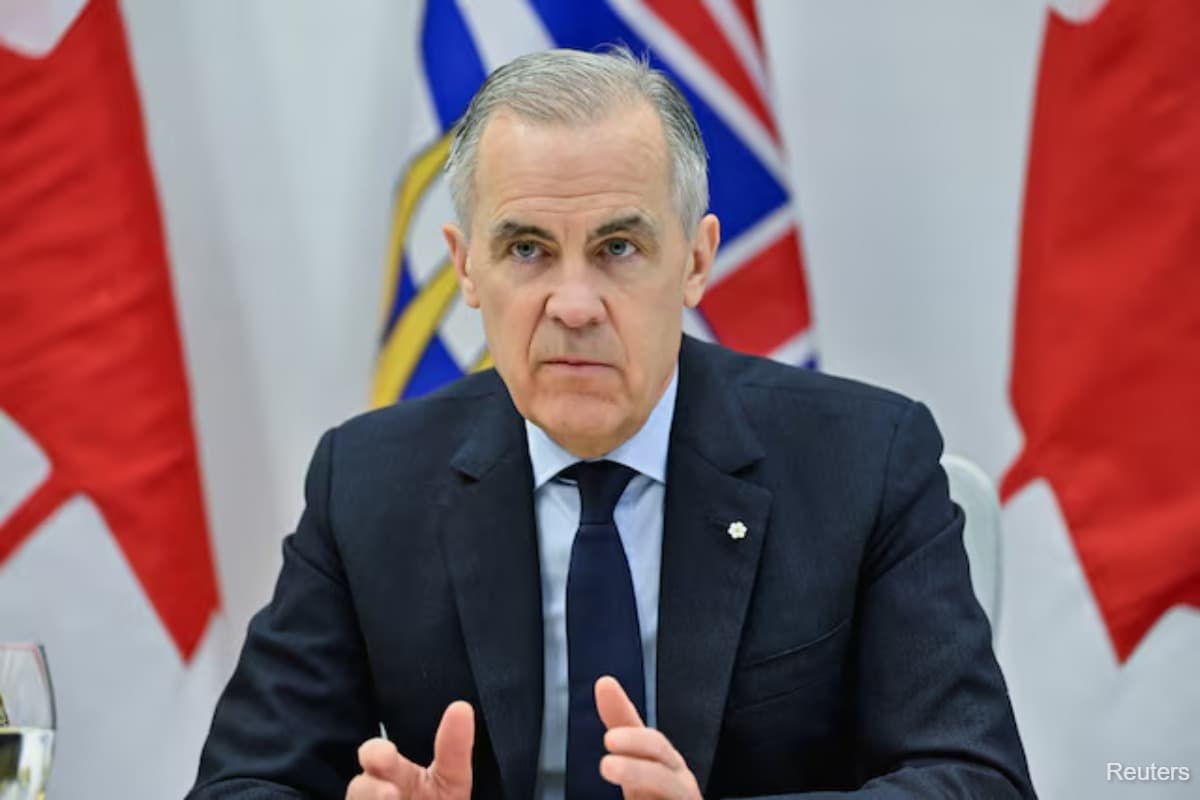
Prime Minister Mark Carney announced plans to hand over operations of Canada's four largest airports to private investors through long-term concessions. Toronto Pearson, Montreal, Vancouver, and Calgary airports would be managed by private operators while the federal government retains ownership of the land and assets, Kelowna Daily Courier reported. Carney said the move would unlock capital for regional airports and trade corridors while strengthening Canada's economy amid trade tensions with the United States.
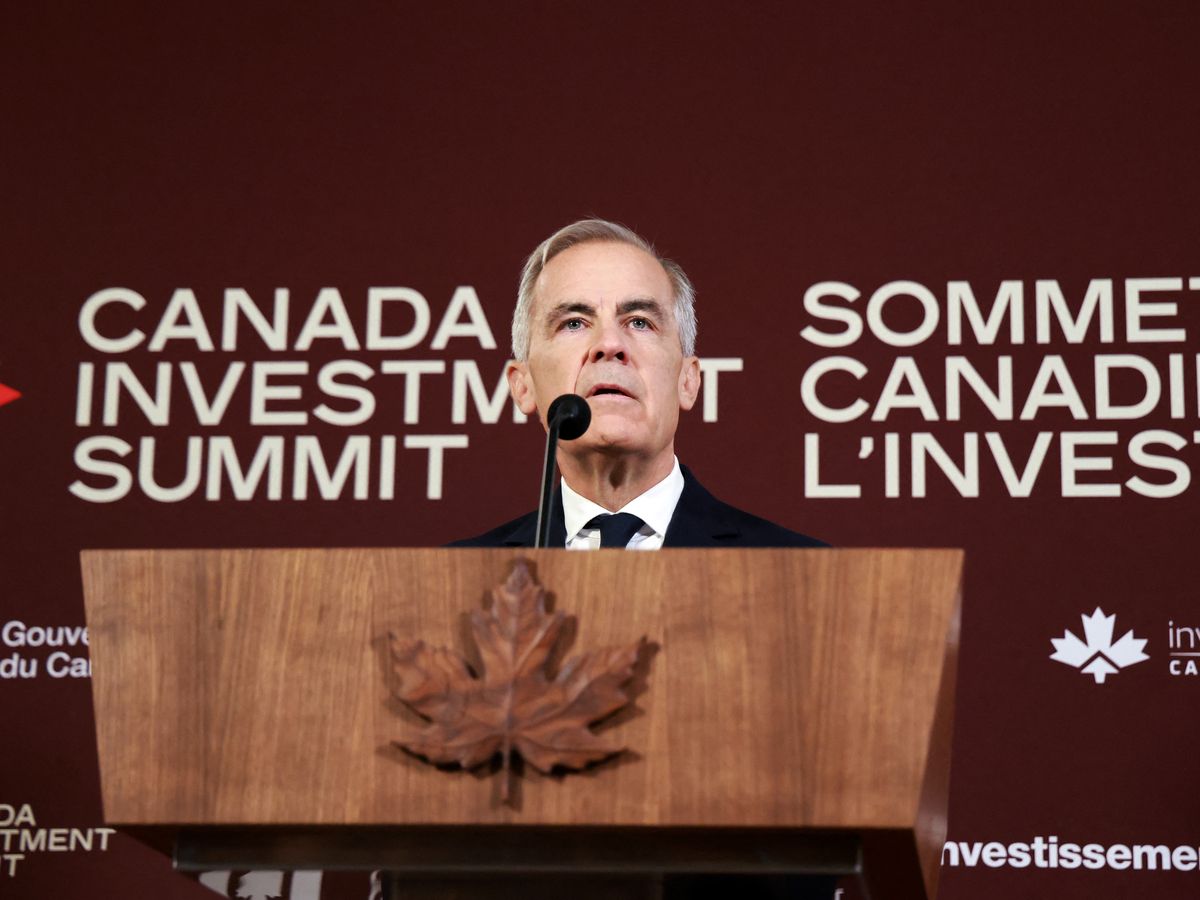
The announcement came at the Canada Investment Summit in Toronto on September 15, where Carney pitched Canada as a safe destination for global investment. Yahoo Finance reported that Carney called Canada a "safe harbour" amid geopolitical uncertainty. "Canadian pension funds already invest successfully in many airports around the world," Carney said. "It is time to bring that same expertise home to more directly benefit all Canadians."
A Strategic Shift to Unlock Capital
Canada had signaled openness to private airport investment in March 2025, but existing rules blocked major equity stakes in air terminals, Head Topics reported. Carney's announcement removes that barrier. The federal government will maintain land ownership while bringing in private operators and capital. Proceeds and redirected federal funds will support regional airports, supply chains, and trade corridors as Canada seeks to diversify beyond U.S. trade dependence.
Labour and Union Opposition Emerges
The announcement sparked swift backlash from labour groups. The Canadian Labour Congress published a warning report on September 14. Unifor's Aviation Council organized protests outside the summit. "In the middle of a trade war, handing profitable public infrastructure over to private investors is exactly the wrong move," said Lily Chang, Secretary-Treasurer of the Canadian Labour Congress. Unions argue private concessions lead to higher passenger fees and reduced worker protections.
Part of Broader Investment Push
The airport plan is one piece of Carney's wider economic agenda. Over 100 global investors attended the summit in Toronto. Canada is seeking $1 trillion in domestic and foreign investment across 167 infrastructure projects over five years, Mixvale reported. Carney described the initiative as launching "the investment supercycle that the country needs," requiring "capital, deals, projects, the proper regulatory environment, a competitive tax environment, and ambition and action."
Carney Defends Asset Recycling Model
Carney framed the plan as "asset recycling," not outright privatization. The government retains underlying ownership while unlocking tens of billions in passive equity to finance infrastructure. Daily Herald Tribune reported that Carney said the move makes "smart" use of airport assets by bringing in "new capital and expertise." PSP Investments CEO Deborah Orida, representing major Canadian pension funds, said her organization welcomed a "constructive conversation" on the initiative and noted PSP's extensive operating expertise in airport assets.
Sentiment
Mostly PositiveNEGATIVENEUTRALPOSITIVE
Publishers
42
Articles
134
Reach
176
A
AnonymousAuthor