Brazil, U.S. Plan Tariff Talks Before Election
Brazil, U.S. Plan Tariff Talks Before Election
Anonymous
Key Points
1
The Milwaukee talks are scheduled just four days before Brazil’s presidential first-round vote, which pits President Luiz Inácio Lula da Silva against Flávio Bolsonaro, adding domestic political pressure to the negotiations.
2
The tariffs under discussion consist of separate 25% and 12.5% U.S. surcharges. They followed an earlier 50% tariff that a U.S. court blocked, although the White House has reportedly preserved the legal groundwork for that measure.
3
The Milwaukee gathering is a sub-ministerial G20 industry and trade ministers’ meeting, separate from the full G20 leaders’ summit that the United States plans to host at a Trump-owned resort in Doral, Florida, in December.
4
The recent diplomatic contacts included an approximately 80-minute phone call between Lula and Donald Trump on August 21, followed by a roughly 40-minute working session between Márcio Elias Rosa and Jamieson Greer on August 31.
Brazil and the United States will hold face-to-face tariff negotiations next week during a G20 trade ministers' meeting in Milwaukee. Post Guam reports the talks, scheduled for September 30 to October 1, come just four days before Brazil's presidential election and follow months of diplomatic pressure over U.S. tariffs that have slashed Brazilian exports by 13% year-over-year.
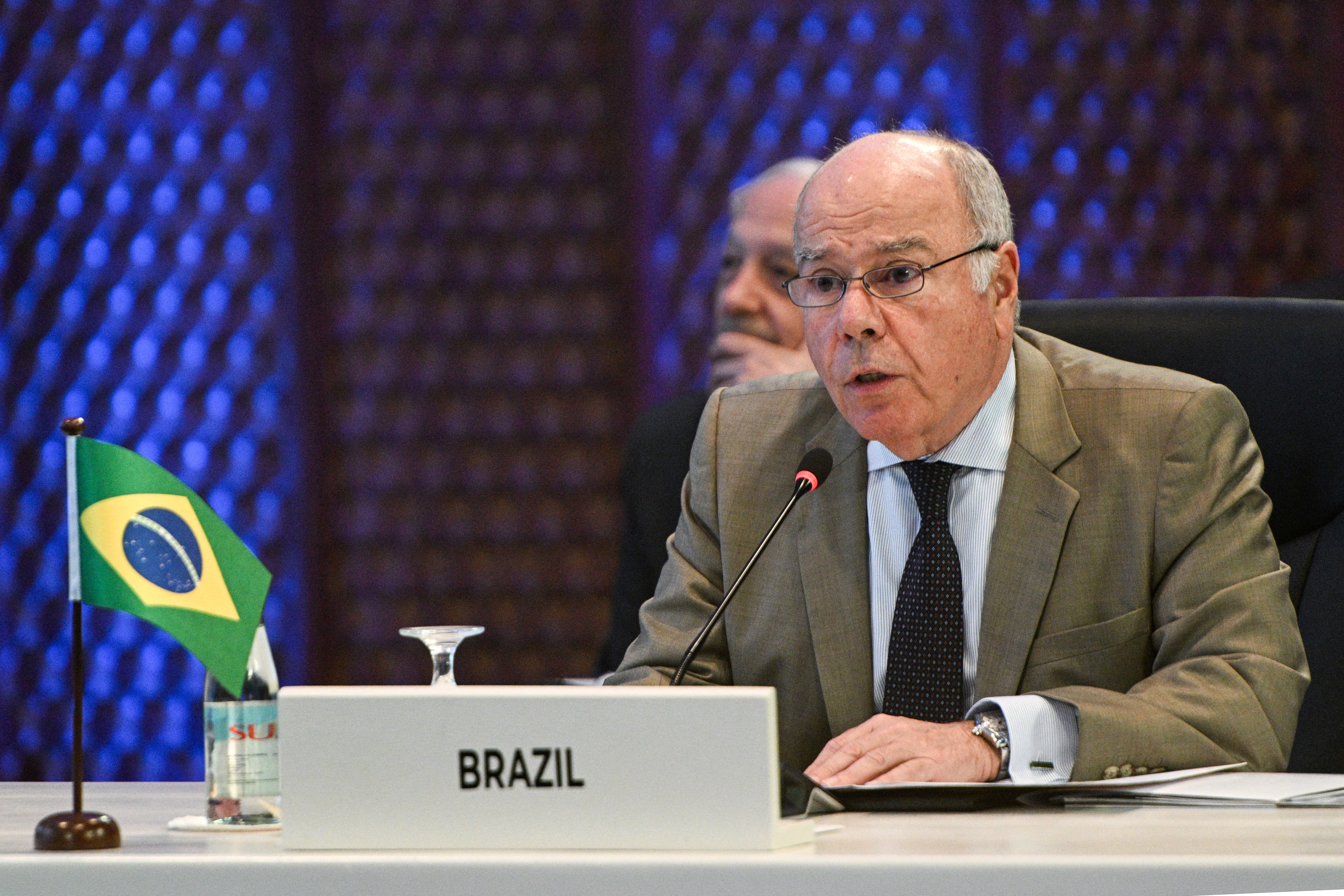
Brazilian Development Minister Márcio Elias Rosa will meet with U.S. Trade Representative Jamieson Greer as the two nations try to resolve a trade dispute that has hit Brazilian companies hard. The tariffs—a 25% surcharge plus an additional 12.5%—combined reach 37.5% on some products, but officials say the sides have not yet agreed on any deal specifics.
Lula and Trump Break the Ice With Calls
The diplomatic push began in August when President Luiz Inácio Lula da Silva spoke with Donald Trump for roughly 80 minutes on August 21. A week later, Development Minister Rosa had a 40-minute working session with U.S. Trade Representative Greer on August 31, setting the stage for the Milwaukee negotiations.
Both sides have signaled a willingness to talk rather than escalate. Brazil has rejected the tariffs as unjustified and says it will defend workers and companies while staying focused on dialogue, not retaliation or a trade war.
U.S. Tariffs Have Already Hit Hard
The tariffs took effect in July 2026 and have dealt a heavy blow to Brazilian exporters. The Mercury reports that a 25% tariff on Brazilian goods kicked in on July 15, with additional surcharges following. The combined levies now reach as high as 37.5% on certain products.
The damage shows in the numbers. Brazilian exports to the United States fell 13% year over year in the first half of 2026, a clear sign the tariffs are squeezing the trade relationship. An earlier 50% tariff that a court blocked remains a potential threat if the White House chooses to pursue it again.
Election Timing Adds Political Pressure
The Milwaukee talks come at a delicate moment for Brazil. Just four days after negotiations wrap up, Brazilian voters will cast their first-round ballots on October 5. President Lula faces Flávio Bolsonaro in a closely watched contest that will shape Brazil's next chapter.
A trade deal before the vote could boost Lula's standing with voters and workers hurt by the tariffs. No agreement could damage his economic record heading into the final stretch of campaigning, making these talks more politically charged than typical trade negotiations.
Milwaukee Talks Are Just the Warm-Up
The September 30-October 1 meetings in Milwaukee are a sub-ministerial G20 gathering focused on industry and trade ministers. They are separate from the full G20 leaders' summit that the United States plans to host in December at a Trump-owned resort in Doral, Florida.
With the Milwaukee session only laying groundwork, deeper negotiations may unfold at the December summit. For now, both Brazil and the U.S. are signaling they want to find a path forward—but neither side has yet revealed what a real deal might look like.
Sentiment
Mostly NegativeNEGATIVENEUTRALPOSITIVE
Publishers
13
Articles
93
Reach
106
A
AnonymousAuthor


