Bogong Moth Migration
Endangered bogong moths swarm Sydney and coastal areas during their annual spring migration.
Anonymous
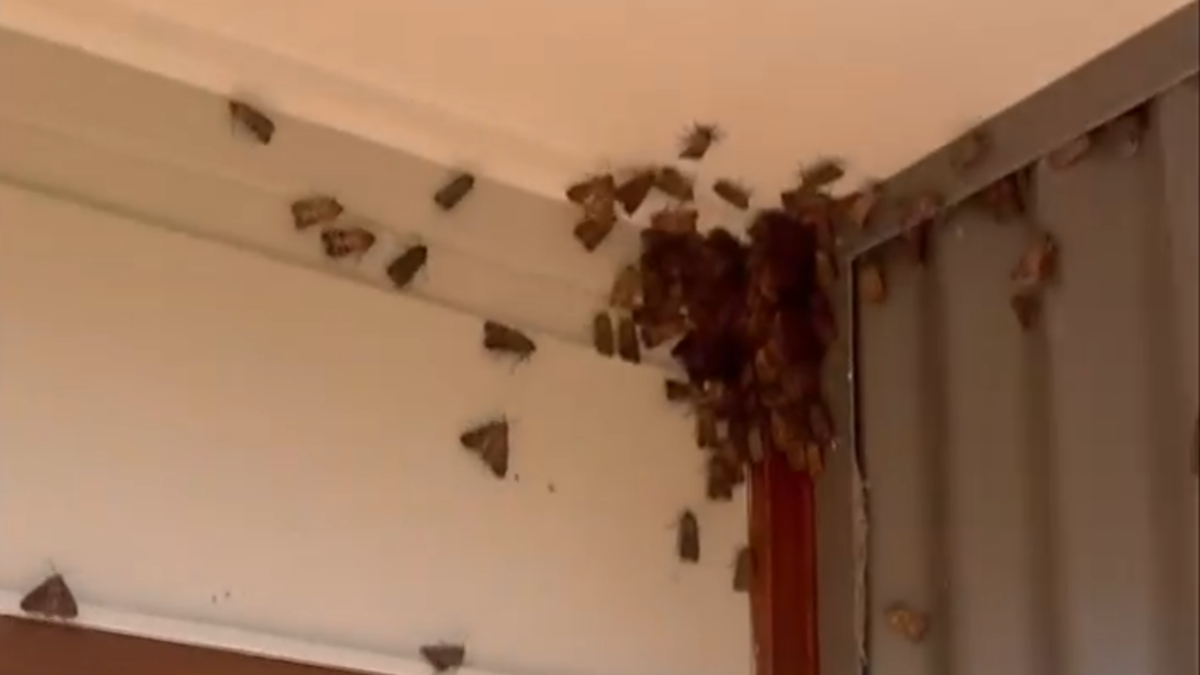
Large numbers of bogong moths have appeared around homes and streetlights in Sydney and along the New South Wales south coast, with reports suggesting the endangered species may be resurging. The moths are migrating south toward cooler alpine areas, as they do each spring, and winds can push them off their usual routes into urban neighborhoods, where bright lights attract them. Authorities say the moths are harmless to people and urge residents not to kill them; they are also an important food source for alpine wildlife. Bogong moth populations have fallen in recent years, with drought and other environmental pressures contributing to the decline.
Key Points
1
Bogong moths can travel up to 1,000 kilometres, navigating by the night sky and the Earth’s magnetic field; they shelter in alpine rocky crevices and caves during the warmer months.
2
The moths migrate from breeding grounds in inland Queensland, central New South Wales and parts of Victoria toward the Australian Alps.
3
Zoos Victoria says bogong moths are a food source for mountain pygmy possums, which emerge from hibernation in the alpine regions around this time of year.
4
In addition to drought, land clearing and agriculture are cited as factors behind the bogong moth’s population decline.
Sentiment
Mostly NegativeNEGATIVENEUTRALPOSITIVE
Publishers
17
Articles
22
Reach
39
Topics
A
AnonymousAuthor


