Monarch Migration Begins
Monarch butterflies begin their annual migration across North America amid severe population declines.
Anonymous
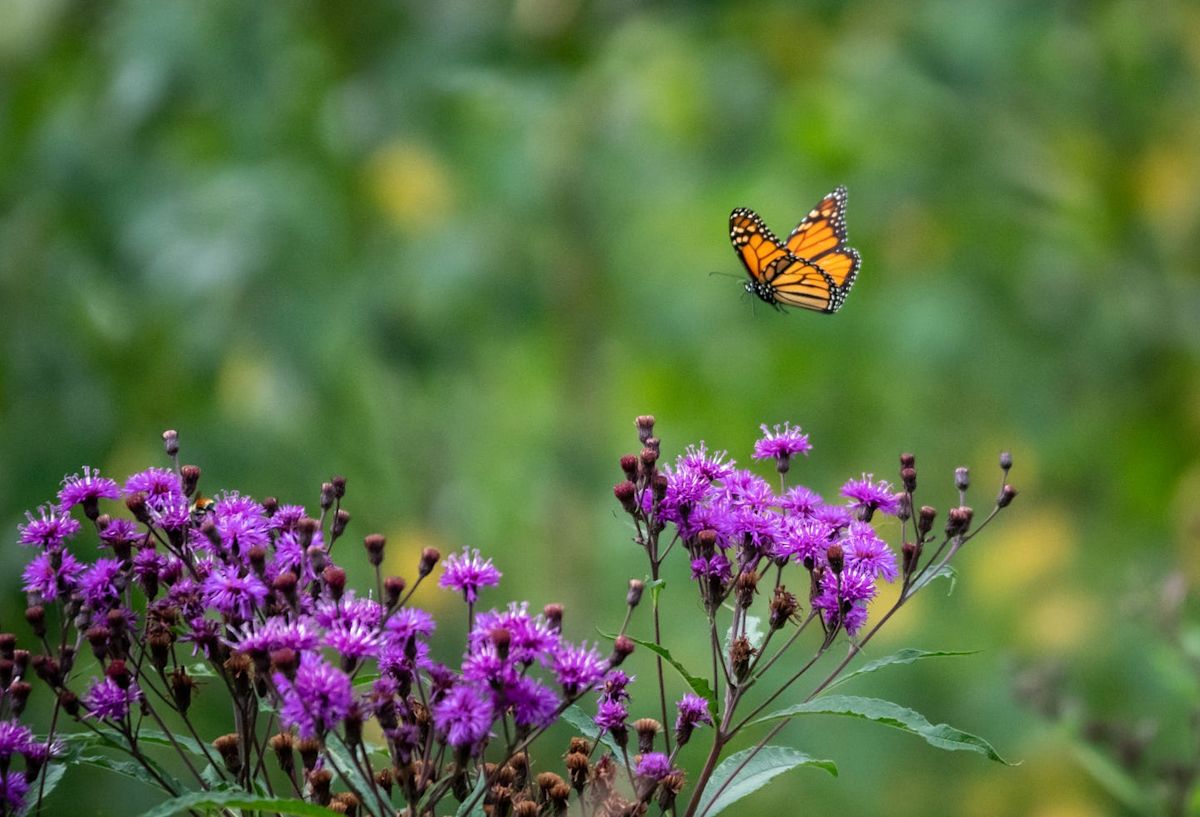
Monarch butterflies are beginning their annual fall migration, prompted by cooling temperatures, shorter daylight and changing winds. The eastern population may travel up to 3,000 miles to central Mexico, while western monarchs generally head to sheltered groves along California’s coast; a long-lived “super generation” makes the journey and overwinters before returning north to reproduce in spring. Migration typically unfolds from August through November, with timing varying by region and weather, and the butterflies often gather in nighttime roosts containing hundreds or thousands of individuals. Natural Bridges State Beach near Santa Cruz is California’s only state monarch preserve and usually hosts butterflies from mid-October through mid-February. Monarch populations have declined sharply, particularly in the West, prompting conservation efforts and public programs focused on threats, environmental conditions and ways communities can support the species.
Key Points
1
The eastern monarch population has declined by about 80% since the early 1990s, while the western population has declined by 99%, according to conservation biologist Emma Pelton.
2
The migratory “super generation” can live for up to nine months, compared with two to six weeks for earlier generations, allowing it to complete the southward journey, overwinter and begin the return north.
3
Weather can significantly alter migration speed: strong southwesterly winds may slow monarchs, while cold fronts and favorable northerly or northwesterly winds can push large numbers south; with favorable conditions, monarchs may travel more than 100 miles in a day.
4
Natural Bridges State Beach provides a wheelchair- and stroller-accessible boardwalk to an observation deck in the eucalyptus grove, and its visitor center has interactive exhibits about monarchs and local marine life.
5
A Sierra Club Santa Lucia Chapter meeting featuring Peggy Burhenn, a docent at the California State Parks Pismo Beach Monarch Butterfly Grove, was organized to discuss western monarch population changes, environmental threats and ways residents can help; the event was free and open to the public.
Sentiment
Mostly PositiveNEGATIVENEUTRALPOSITIVE
Publishers
6
Articles
24
Reach
30
A
AnonymousAuthor