Gaza Pilot Scheme
Israel Cabinet Approves Multinational Force for Gaza Humanitarian Pilot in Rafah
Anonymous
Key Points
1
The multinational stabilizing force entering Gaza would include troops from Morocco, Albania, and Kosovo, underscoring its international composition rather than a single-country mission.
2
Domestic political dynamics within the cabinet were nuanced, with National Security Minister Itamar Ben-Gvir opposing the proposal and Finance Minister Bezalel Smotrich voting in favor.
3
Civilian administration of the Gaza zone would be carried out by a Palestinian Arab technocratic body called the National Committee for the Administration of Gaza (NCAG), with the ISF providing defense backing for the civilian setup and an internal security role filled by a Palestinian police force.
4
The plan enshrines the 'Yellow Line' concept, with the IDF maintaining the frontier line and not withdrawing from the surrounding territory while the ISF and Palestinian authorities operate inside the designated area.
5
A timeline signal indicates the pilot could begin in the coming weeks, with the Rafah area (Tal as-Sultan) identified as the initial location and potential expansion if successful.
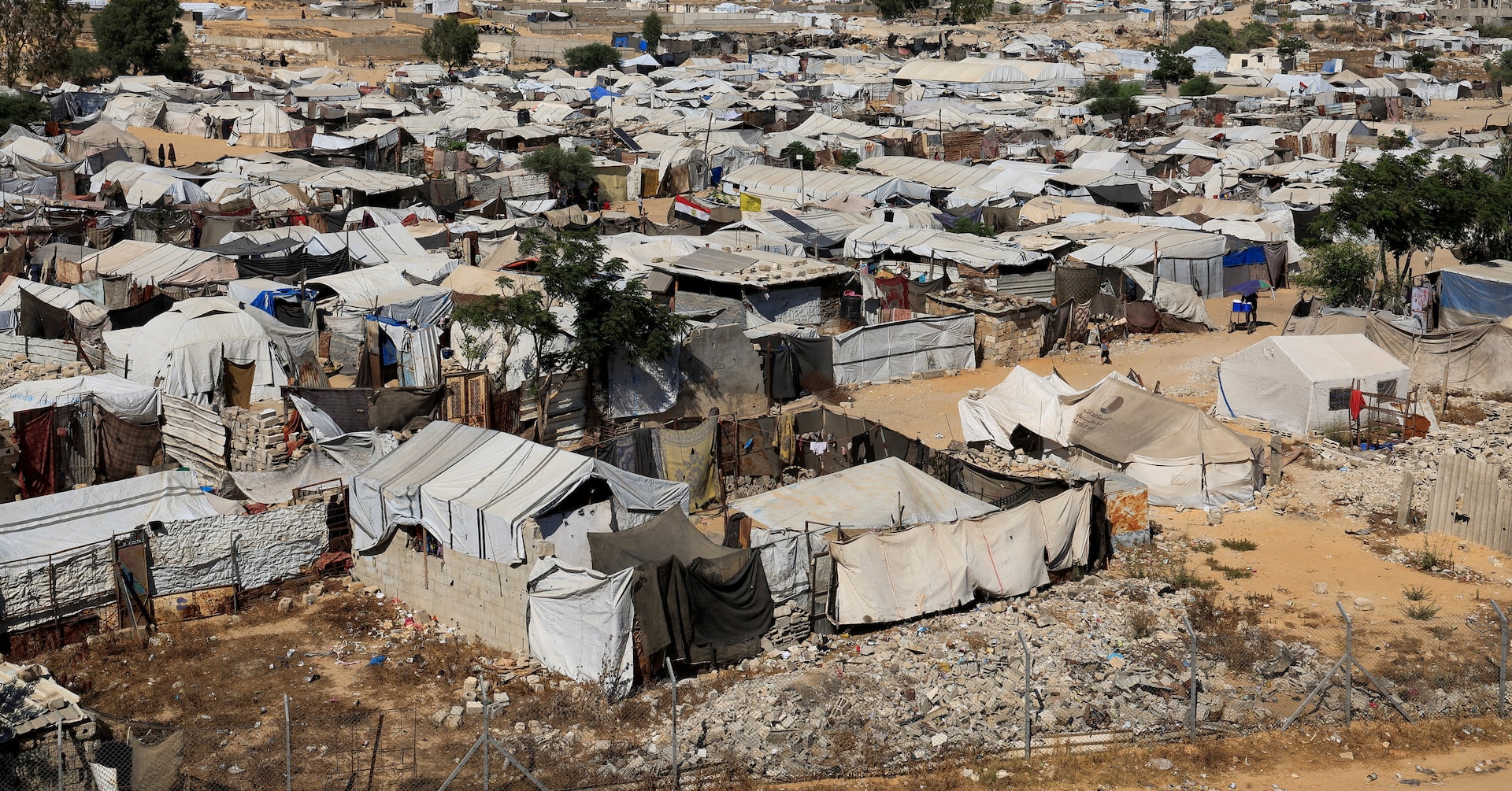
Israel's Security Cabinet has approved letting a multinational International Stabilization Force (ISF) enter parts of Gaza not under Israeli control, according to Reuters. The force would begin in the Rafah area, specifically Tal as-Sultan, where it would oversee a controlled humanitarian zone housing up to 50,000 displaced Palestinians.
The decision marks a significant step in post-war planning for Gaza. But it came with internal divisions — National Security Minister Itamar Ben-Gvir voted against the plan, even as Finance Minister Bezalel Smotrich voted in favor, Reuters reported.
Morocco, Albania, and Kosovo Troops to Lead ISF Entry
The ISF is not a single-country mission. Troops from Morocco, Albania, and Kosovo would make up the force, giving it a multinational character. The force is part of a broader U.S.-backed plan for Gaza's future, according to Reuters.
The ISF would handle external security inside the designated pilot zone. Meanwhile, an internal Palestinian police force would manage law and order on the ground. The IDF would not leave the surrounding territory — it would hold the outer frontier, a boundary officials call the 'Yellow Line.'
Palestinian Technocratic Body to Run Daily Civil Affairs
A new body called the National Committee for the Administration of Gaza (NCAG) would handle civilian governance inside the zone. It is described as a Palestinian Arab technocratic group — meaning it is made up of professionals, not politicians tied to Hamas or other factions.
The plan calls for restoring basic services and distributing aid inside the zone. Any Palestinian seeking to relocate there would face security vetting to confirm no ties to Hamas. Civil administration, policing, and ISF defense would each operate in separate lanes, according to Yahoo News.
Pilot Linked to Trump's 20-Point Gaza Framework
Israeli officials have tied the plan to President Donald Trump's 20-point framework for Gaza's future. The ISF concept was first proposed in October, Reuters reported. Officials framed the Rafah pilot as the first phase of a broader reconstruction effort.
If the pilot works, officials say it could expand to other parts of Gaza. A timeline signal suggests the pilot could begin within weeks. The IDF would retain overall territorial control even as the ISF and NCAG operate inside the zone — a careful split designed to address Israeli security concerns.
Cabinet Divisions Signal Fragile Political Support
The approval did not come easily. Ben-Gvir's opposition reflects deep unease on Israel's far right about any arrangement that reduces IDF presence inside Gaza, even partially. His 'no' vote shows the plan's political fragility inside the governing coalition.
Smotrich's 'yes' vote was notable — he is also a far-right minister but broke with Ben-Gvir on this issue. Officials acknowledged ongoing debates about disarmament and the long-term security setup, meaning the pilot's expansion is far from guaranteed, according to Yahoo News.
Sentiment
Mostly PositiveNEGATIVENEUTRALPOSITIVE
Publishers
27
Articles
107
Reach
134
Topics
A
AnonymousAuthor


