Gulf Oil Exports Surge
Saudi Arabia sharply boosts Gulf oil exports following pipeline attacks, easing global market concerns.
Anonymous
Key Points
1
No shipments had reportedly left Saudi Arabia’s Red Sea port of Yanbu since Sept. 12 after the East-West pipeline was suspended, highlighting the extent of the disruption to the normal export route.
2
Aramco reportedly sold about 60 million barrels for September and October loading through ship-to-ship transfers at Oman’s Sohar port, with China, South Korea, India and Japan identified as the main buyers.
3
Oil flows through the Strait of Hormuz rose from an average of 1.2 million barrels per day on Sept. 1 to 1.9 million barrels per day by mid-September, a 58% increase in two weeks.
4
Despite a sharp decline in commercial shipping through the Strait of Hormuz—from roughly 125 vessels a day to only a few dozen—some Middle Eastern producers reportedly continued using tankers with disabled transponders to operate with reduced visibility.
5
Prediction-market pricing put the chance of an East-West pipeline restart by Sept. 30 at 31.5%, compared with 76.5% for a restart by Nov. 1, indicating that markets viewed an immediate resumption as unlikely but an October restart as more plausible.
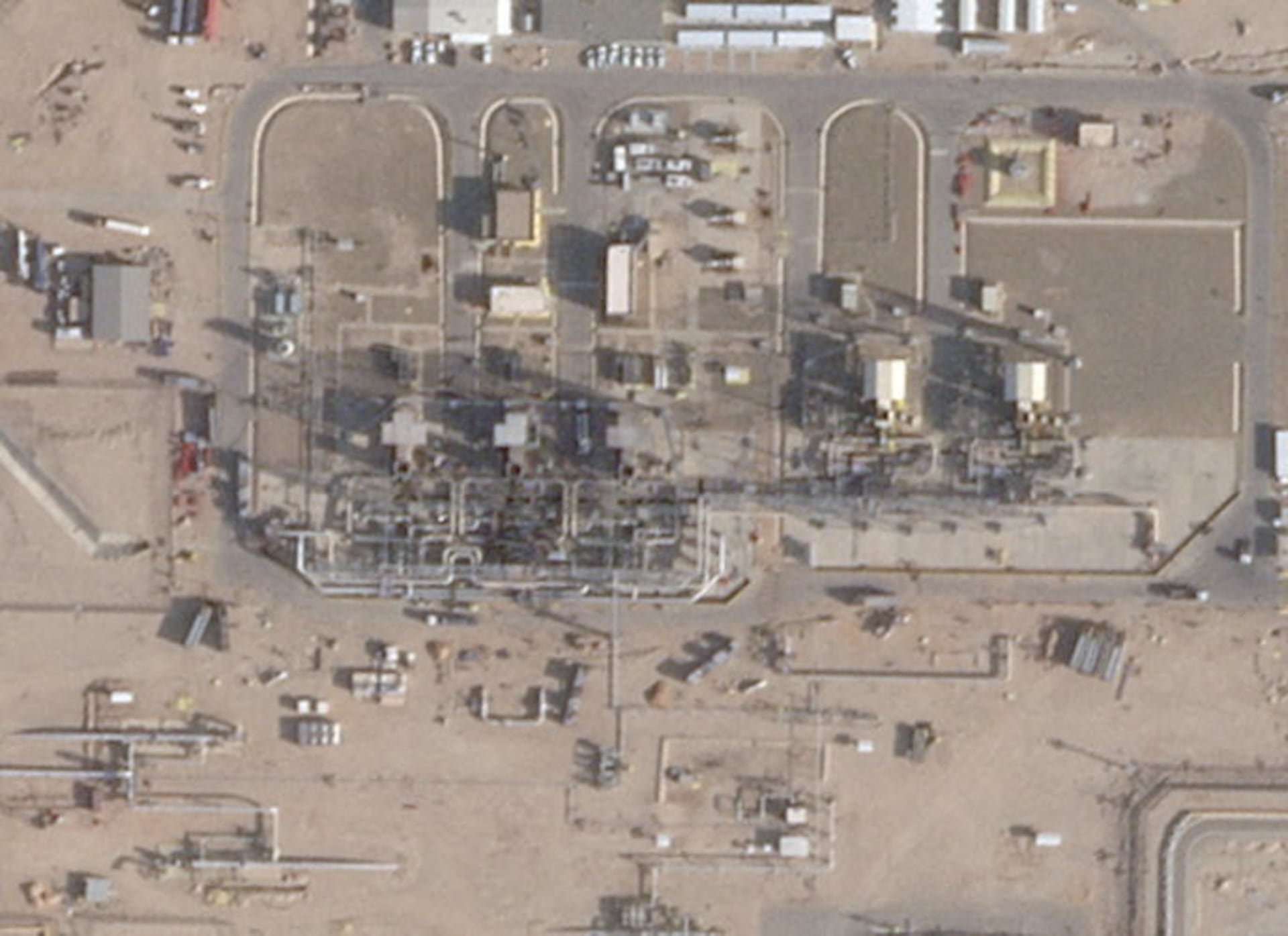
Saudi Arabia is flooding the Persian Gulf with crude oil after Houthi attacks crippled its main pipeline to the Red Sea. Reuters reports that Saudi Aramco loaded roughly 14 million barrels onto seven massive tankers near Ras Tanura in September, a dramatic shift from the 2.4 million barrels per day shipped in August. The company has rerouted volumes through Gulf ports and arranged ship-to-ship transfers near Oman to keep oil flowing to Asia, pushing exports back above 4 million barrels per day and helping drive Brent crude below $100 a barrel.
The recovery has eased fears of a sudden oil shortage, though Saudi officials remain silent on when—or if—the East-West pipeline will restart. Prediction markets suggest only a 31.5% chance of reopening by September 30, but a 76.5% likelihood by November 1.
Pipeline Attack Cuts Off Red Sea Route
No crude has left Saudi Arabia's Red Sea port of Yanbu since September 12, when the East-West pipeline was damaged. Reuters and Oil & Gas Middle East confirm the pipeline suspension halted the kingdom's primary export corridor. This forced Aramco to reverse course and send all September shipments through the Persian Gulf instead, a costly detour that threatened global supply.
Asia-Bound Transfers Fuel Emergency Supply Route
Aramco sold about 60 million barrels for September and October delivery through ship-to-ship transfers at Sohar port near Oman, Reuters reports. China, South Korea, India, and Japan emerged as the main buyers. This workaround allows Aramco to bypass the Strait of Hormuz's shipping chaos while keeping its largest Asian customers supplied with crude.
Hormuz Traffic Surges Despite Shipping Collapse
Oil flowing through the Strait of Hormuz jumped 58% in two weeks—from 1.2 million barrels per day on September 1 to 1.9 million by mid-September. Yet commercial shipping collapsed, dropping from roughly 125 vessels daily to just a few dozen. Reuters notes that some Middle Eastern producers quietly used tankers with disabled transponders to move cargo with minimal visibility, a sign of the supply urgency.
Market Bets on October Pipeline Restart
Prediction markets priced the odds of an East-West pipeline restart by October 1 at much higher than a September 30 restart. Only 31.5% of traders expected a restart by month's end, while 76.5% wagered on one by November 1. The gap reveals investor skepticism about immediate repairs but growing confidence in a late-October recovery. Until then, Saudi Arabia's Gulf export surge remains its best shield against a global crude crunch.
Sentiment
Mostly PositiveNEGATIVENEUTRALPOSITIVE
Publishers
64
Articles
123
Reach
187
A
AnonymousAuthor


