Vietnam Committee Reviews Time-Based Electricity Pricing
Vietnam Committee Reviews Time-Based Electricity Pricing
Anonymous
Key Points
1
Sweden’s national spot-price average has been about 66 öre per kilowatt-hour this year, while a single hour in electricity zone SE4 reached just over 8 kronor on September 14—more than 12 times the annual average.
2
Vietnam’s draft legislation would add a transitional provision addressing the retail tariff structure for tourism accommodation establishments.
3
Vietnam’s parliamentary review supports the principle that electricity prices should reflect reasonable and legitimate costs while helping mobilize investment resources.
4
Nigeria’s proposed regulatory model would use feeder and area franchising as a live competitive benchmark: one cited example contrasts a utility feeder with a franchise that cuts losses from 50% to 15%, raises collections from 60% to 95% and increases supply from eight to 20 hours per day.
5
The Nigerian analysis argues that franchising is only workable with granular feeder-level data; without it, the approach is speculative, but with it, franchising can become a financeable commercial model.
Vietnam's parliament is reviewing major changes to how electricity prices work for households and businesses. VietNews reports the proposal would let the government set different rates for peak, off-peak, and normal hours where technically possible. The reforms aim to support renewable energy investment while ending unfair cost-sharing between customer groups.
The changes reflect a broader global push to make electricity pricing fairer and more transparent. Reuters notes similar debates are happening in Sweden, where winter prices are forecast at roughly double northern levels, and Nigeria, where regulators want better data on actual costs before setting tariffs.
Vietnam's Plan for Time-Based Electricity Rates
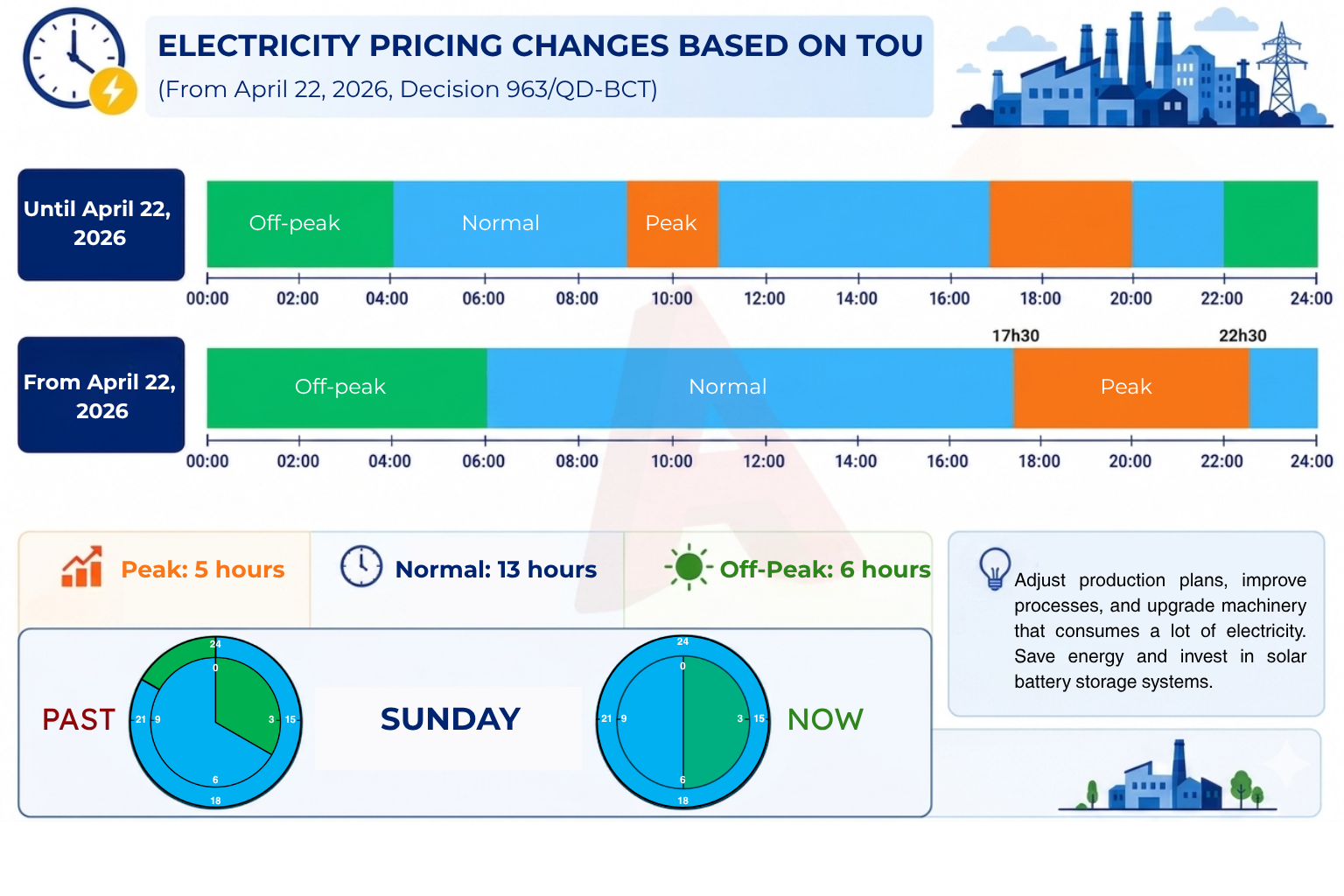
Vietnam's draft Electricity Law amendments propose a major shift in how households pay for power. The proposal introduces peak, off-peak, and normal rate tiers. VietNews reports this system would only apply where the electrical grid can technically support it. The change aims to make pricing match actual demand patterns throughout the day.
The reforms also give Vietnam's industry minister control over wholesale pricing frameworks. Bloomberg explains the law seeks to eliminate cross-subsidies — where one customer group's low rates force others to pay more. The plan supports investment in renewable energy and storage while preventing costs from shifting to households or the state.
Sweden Faces Winter Price Forecasts Double Northern Levels
Southern Sweden's electricity prices this winter are forecast at roughly 100–110 öre per kilowatt-hour. SVT notes this is about twice the rate in northern Sweden but well below the 2022–23 crisis levels. National spot-price averages have hovered around 66 öre per kilowatt-hour this year. However, household bills also include taxes, network fees, and occasional hourly spikes that add significantly to costs.
Price swings remain dramatic despite overall moderation. The Local reported that one hour in electricity zone SE4 reached just over 8 kronor on September 14 — more than 12 times the annual average. These sudden spikes occur when demand peaks and supply tightens, leaving households vulnerable to unexpected bill shocks.
Nigeria Needs Better Data Before Reforming Tariffs
Nigeria's electricity regulators face a fundamental problem: they lack reliable cost data. African Business reports analysts argue the country must first build granular information on costs, losses, service quality, and utility performance. Without this foundation, any tariff reform risks being unfair or unsustainable. Transparency and feeder-level competition are needed to prove tariffs truly reflect actual costs.
One proposed model uses feeder franchising as a live benchmark for performance. African Energy Intelligence cites an example where a franchise operator reduced losses from 50% to 15%, raised collections from 60% to 95%, and increased supply from eight to 20 hours per day. With granular feeder-level data, franchising becomes a financeable commercial model. Without it, the approach remains purely speculative.
The Case for Cost-Reflective Pricing Globally
Across three continents, electricity regulators are wrestling with the same core principle: prices should reflect reasonable, legitimate costs. International Energy Agency explains this approach helps attract investment while protecting consumers from hidden subsidies. The challenge lies in implementation — each market faces different grid constraints, income levels, and political pressures.
Vietnam's parliamentary process shows how reform requires balancing multiple goals at once. Reuters reports the law must support renewable investment, stabilize household budgets, and prevent losses from draining state finances. Success depends on transparent data, clear rules, and gradual transitions that give utilities and customers time to adapt.
Sentiment
Mostly PositiveNEGATIVENEUTRALPOSITIVE
Publishers
18
Articles
3
Reach
21
A
AnonymousAuthor


