Battery Storage Grows Across Global Power Markets
Battery Storage Grows Across Global Power Markets
Anonymous
Key Points
1
The NSW projects include the 500 MW/1,000 MWh Liddell battery, the 415 MW/1,660 MWh Orana battery, the 65 MW/130 MWh Smithfield battery and a 95 MW virtual power plant with at least two hours of dispatch capability. Their construction supported more than 1,500 jobs.
2
Australia recorded 27,089 battery-electric-vehicle sales in August, with fully electric vehicles accounting for 24.9% of all new-vehicle sales. EV batteries are larger and more complex to recycle than conventional lead-acid batteries and should not be sent to landfill.
3
For Indian industrial facilities, the choice between a battery system and a diesel generator depends on the load profile, outage duration and operating requirements: batteries can provide short-duration backup, power-quality support and energy management, while diesel remains better suited to long outages, very large loads and extended runtime. India’s Ministry of New and Renewable Energy lists initiatives including a 2025 viability-gap-funding scheme for battery storage.
4
Ontario’s nuclear refurbishments are expected to remove approximately 2,100 MW of baseload capacity temporarily. Energy Storage Canada says behind-the-meter batteries could provide “fast, flexible, and modular capacity that can be deployed incrementally as demand materializes,” but owners need better compensation to make that resource available to the grid.
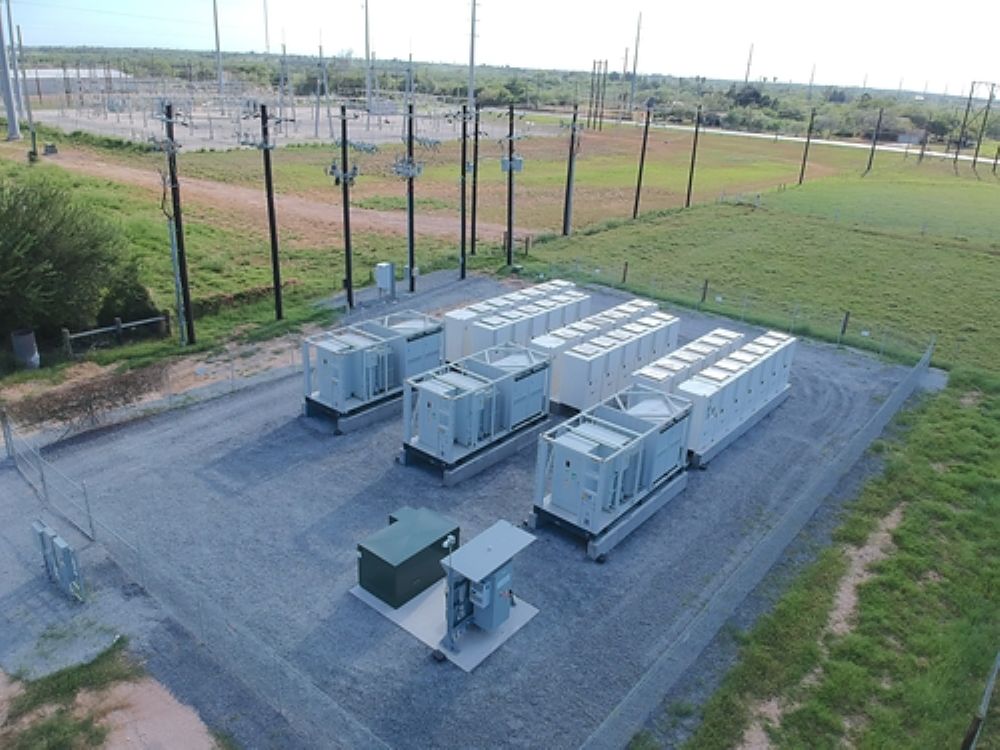
Battery storage is rapidly expanding across global power markets, playing a growing role in grid reliability and peak-demand management. In New South Wales, four major battery projects—including the 500 MW Liddell battery and a 95 MW virtual power plant—are now operating, adding enough capacity to serve roughly 400,000 homes during peak periods Microgrind Media. The investments totaled more than $1.8 billion and supported over 1,500 construction jobs.
Across Ontario, India, and the United States, battery systems are being deployed to complement traditional power sources and address growing electricity demands. However, policymakers face challenges in creating the right incentives and infrastructure—from improving compensation for behind-the-meter batteries to building recycling capacity for the surge in electric-vehicle battery waste Energy Storage Canada.
NSW Batteries Add 400,000-Home Capacity in Single Year
New South Wales has brought four battery projects online, representing a major milestone for grid firming. The 500 MW Liddell battery stores 1,000 MWh, while the 415 MW Orana battery can store 1,660 MWh Microgrind Media. Two smaller projects—the 65 MW Smithfield battery and a 95 MW virtual power plant—add another layer of flexibility. Together, they dispatch enough power for approximately 400,000 homes during peak demand periods.
The construction phase generated substantial economic activity, supporting 1,500+ jobs across the region NSW Energy Authority. These projects demonstrate how battery storage can replace aging coal plants and improve grid resilience without new transmission lines.
Ontario Seeks Better Incentives for Behind-the-Meter Storage
Ontario faces a dual challenge: electricity demand is projected to grow 65 percent by 2050, while nuclear refurbishments will temporarily remove 2,100 MW of baseload capacity Energy Storage Canada. Commercial and industrial batteries installed behind utility meters could help bridge that gap. These systems provide 'fast, flexible, and modular capacity,' according to the industry group, but owners lack sufficient financial incentive to make them available to the grid.
Policymakers are being urged to redesign compensation mechanisms to unlock this distributed resource Energy Storage Canada. Better pricing signals would encourage facility operators to store power during low-demand hours and dispatch it when the grid needs it most.
India Weighs Batteries Against Diesel for Industrial Backup
In India, battery systems are emerging as a cleaner alternative to diesel generators for short-duration backup power and energy management Ministry of New and Renewable Energy. The choice between batteries and diesel depends on the facility's specific needs. Batteries excel at providing short outages, power-quality support, and real-time energy management. Diesel generators remain better suited for long outages, very large loads, and extended runtime.
India's Ministry of New and Renewable Energy is backing battery adoption through a 2025 viability-gap-funding scheme, which subsidizes battery projects to make them cost-competitive with diesel Ministry of New and Renewable Energy. This hybrid approach allows facilities to use batteries for short disruptions while retaining diesel capacity for emergencies.
Australia's EV Battery Recycling Infrastructure Lags Behind Sales
Australia sold 27,089 battery-electric vehicles in August alone, with fully electric cars now accounting for 24.9 percent of all new-vehicle sales Automotive Manufacturers Association. This explosive growth is creating an urgent recycling challenge. EV batteries are far larger and more complex than traditional lead-acid batteries and must not reach landfills.
General Motors recently launched a closed-loop battery recycling pilot program to reduce the carbon footprint of battery materials and recover valuable lithium and cobalt GM. However, Australia faces a broader gap: recycling infrastructure, technical training, and public awareness must expand quickly to handle the projected surge in used EV batteries over the next decade Automotive Manufacturers Association.
Sentiment
Mostly PositiveNEGATIVENEUTRALPOSITIVE
Publishers
20
Articles
6
Reach
26
Topics
A
AnonymousAuthor


