Johor Grid Strain
Malaysia's Data Center Boom in Johor Strains Power Grid and Renewable Energy
Anonymous
Key Points
1
Johor’s operational data-center capacity reached 1,110 megawatts in the first half of 2026, with another 602 megawatts under construction and 2,486 megawatts planned; colocation vacancy had fallen to just 0.7%.
2
Malaysia is targeting renewable energy to supply 40% of its power mix by 2035 and 70% of installed generation capacity by 2050, making the integration of data-center demand with variable renewable output a major planning challenge.
3
MBSB Research said roughly 5.6 gigawatts of coal-fired generation is expected to retire while the next major wave of new generation—about 8.3 gigawatts—is concentrated between 2028 and 2031, increasing reliance on existing plants, power-purchase-agreement extensions, renewables, storage and other flexibility resources.
4
Bridge Data Centres said Malaysian companies made up almost half of its 2025 supply chain across engineering, construction, facilities management, technology and sustainability services, while the company employed more than 750 Malaysians.
5
Fitch warned that the market’s tightening constraints favor operators and infrastructure providers with secured utility access, established customer relationships and proven delivery capabilities, while speculative projects face delays, cost inflation and regulatory change.
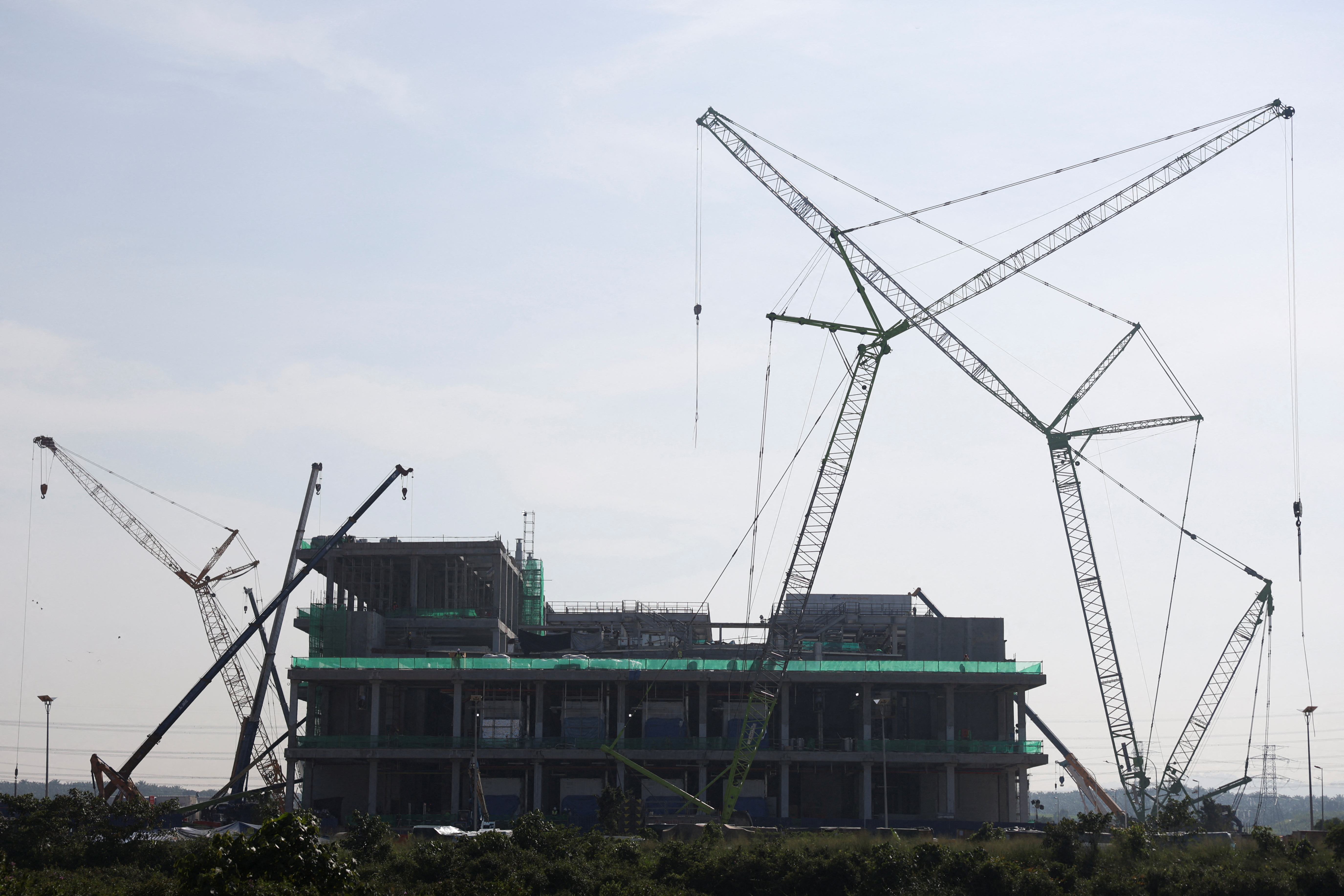
Malaysia's data-center boom is reshaping the country's power grid, with facilities now consuming 9.28% of national electricity. Johor state is becoming a major hub after Singapore capped its own data-center capacity, attracting billions in investment and straining the electrical system that must balance huge, constant power demands with increasingly variable renewable energy ncwlife
Johor already has 1,110 megawatts of operational data-center capacity, with another 602 megawatts under construction and 2,486 megawatts planned. But Malaysia's grid faces a critical gap: roughly 5.6 gigawatts of coal plants will close by 2029, while new generation won't arrive in large volumes until 2028-2031. This timing mismatch could squeeze power availability and push up costs for years.
Johor Becomes the Data-Center Spillover From Singapore
Singapore's government approved only a fraction of data-center capacity that developers sought, making Johor the obvious alternative. The state offers lower construction costs, abundant land, fast fiber connections and proximity through the Johor-Singapore Special Economic Zone. Colocation facilities—warehouses that rent space to multiple operators—now sit nearly full, with just 0.7% vacancy.
A Mismatch Between Retiring Coal and New Power Plants
Malaysia's grid is entering a squeeze. About 5.6 gigawatts of coal-fired capacity will retire as the country phases out older plants. The next large wave of new generation—roughly 8.3 gigawatts—won't come online until between 2028 and 2031, according to MBSB Research. That five-year gap means existing plants must run longer and harder.
To fill the shortage, authorities are counting on gas plants, solar farms, battery storage and grid upgrades. But each faces delays. Gas generators take 2-3 years to build. Solar requires transmission lines that don't yet exist. Batteries must be manufactured and shipped. Utilities expect supply to lag demand until roughly 2029 or later.
Renewable Targets Collide With Data-Center Power Demands
Malaysia aims to source 40% of power from renewables by 2035 and 70% of installed capacity by 2050. But data centers run at near-constant high loads, while solar and wind fluctuate hour by hour. Balancing the two is a complex engineering problem that utilities have not solved at this scale.
Job Growth and Supplier Opportunities Amid Uncertainty
Data-center operators say the sector is creating jobs. Bridge Data Centres reported that Malaysian companies supplied nearly half its 2025 services—from engineering and construction to facilities management—and the company employed more than 750 Malaysians. But Fitch warned that only operators with locked-in utility access and proven track records will thrive. Speculative projects face delays, cost overruns and regulatory changes.
Sentiment
Mostly PositiveNEGATIVENEUTRALPOSITIVE
Publishers
34
Articles
19
Reach
53
A
AnonymousAuthor


