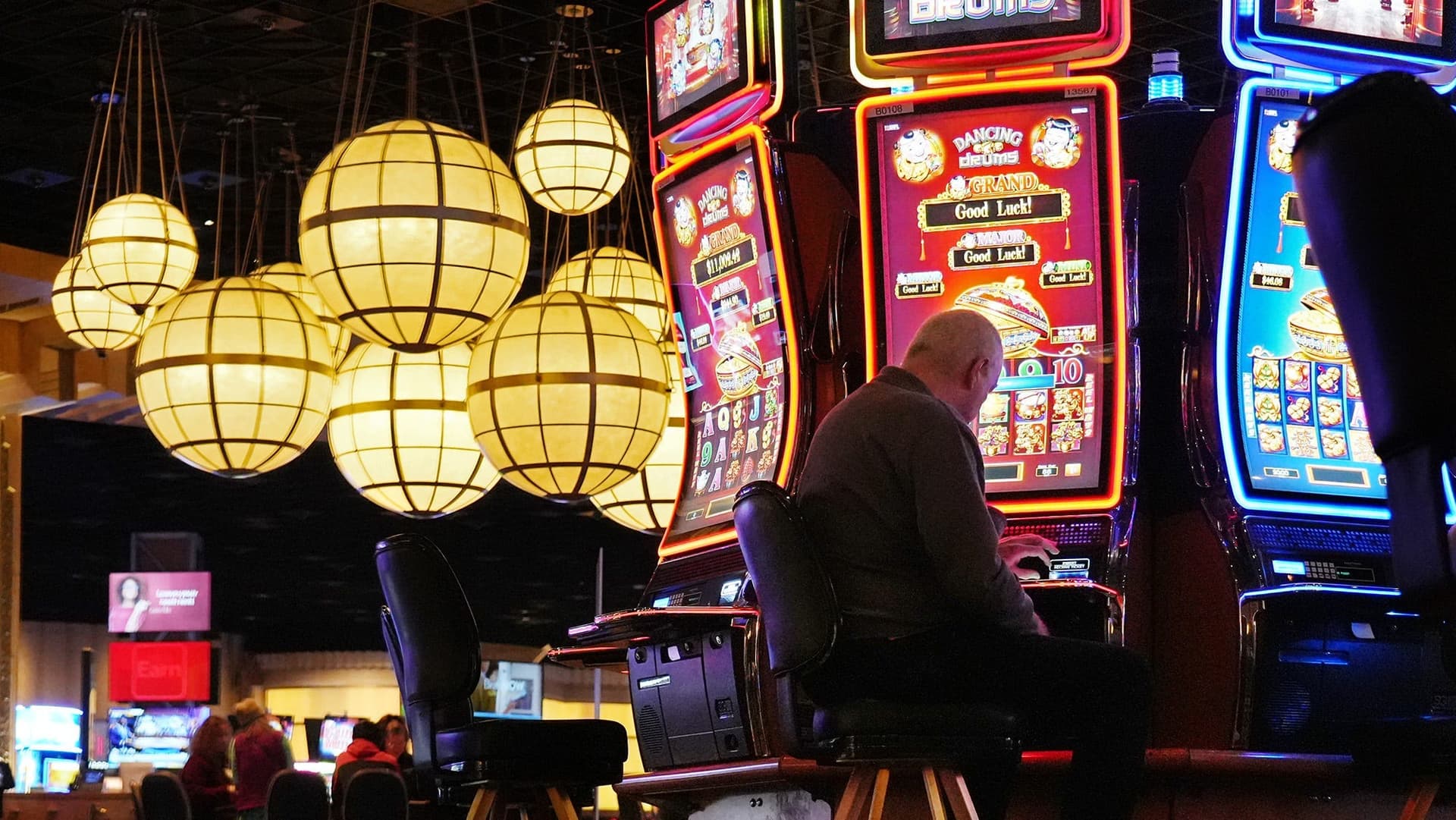
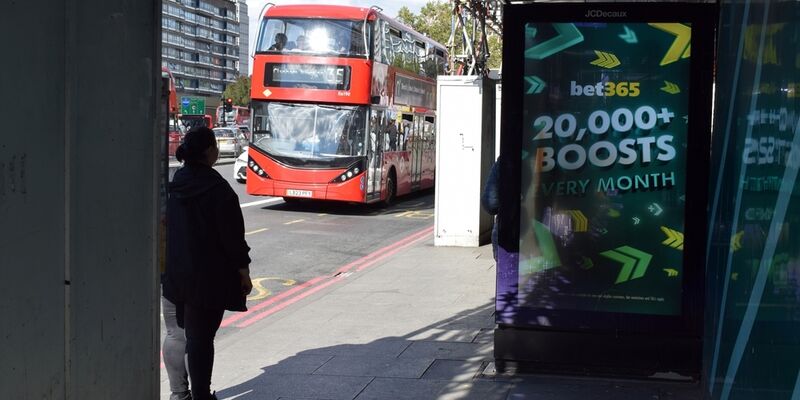
Proposed Gambling Ad Ban
UK Researchers Urge Government To Implement Blanket Ban On Gambling Advertising
Anonymous
Key Points
1
The LHGP consortium is based at the University of Bath and is a five-year, £9 million research initiative funded by UK Research and Innovation, involving researchers from the universities of Bath, Cambridge, Edinburgh and Sheffield.
2
The DCMS consultation on banning sponsorship by unlicensed gambling firms closed on September 9, but the government has not yet published its conclusions.
3
The BGC says the DCMS Illegal Gambling Taskforce was established in early 2026 to address the black-market betting sector, although it maintains that illegal gambling activity continues to grow.
4
English professional football is already estimated to be losing about $100 million per season after the Premier League’s first season without gambling brands on the fronts of shirts; a broader advertising ban could raise the total annual cost to as much as $200 million.
5
The BGC argues that illegal operators pay no tax and make no contribution to the UK economy, while gaining market share as regulated firms face tighter restrictions.
UK researchers are pushing for a sweeping ban on all gambling advertising, going far beyond the government's current plan to restrict only unlicensed operators. Local Health and Global Profits warns that targeted digital ads will flourish if sponsorship rules alone are tightened, and that gambling marketing directly drives more people to bet and suffer addiction.
The betting industry fiercely opposes the idea. Betting and Gaming Council argues licensed firms already follow strict rules and that a blanket ban could push £800 million in bets toward illegal operators who pay no tax and operate without safeguards. English football stands to lose up to $200 million annually if the ban takes effect.
Why Researchers Want Ads Off All Screens
The consortium, based at University of Bath and funded with £9 million over five years, studied gambling harms across the UK. Their conclusion: advertising works. It persuades people to gamble more and lose more money. Local Health and Global Profits argues the government's focus on sponsorship alone misses the real threat—digital platforms where algorithms target vulnerable people with laser precision.
The Betting Industry's Counterattack
Betting and Gaming Council members already volunteer safer-gambling messaging on about 20% of ads and use age-verification tech to keep under-18s away from online betting. The BGC argues licensed operators are the good guys—regulated, taxed, and transparent. A blanket ban, they say, backfires. It doesn't stop people betting; it just sends them to criminal websites where there are zero protections.
The scale is real. Betting and Gaming Council estimates illegal operators could capture up to £800 million in bets during the current Premier League season. These unlicensed sites pay zero tax and zero licensing fees. Meanwhile, DCMS Illegal Gambling Taskforce was set up in early 2026 to fight the black market, but illicit betting continues to grow.
Football's £200 Million Problem
English clubs already took a hit. After the Premier League removed gambling logos from shirt fronts, teams lost about $100 million per season in sponsorship revenue. A broader ad ban on television, online, and digital platforms could nearly double that loss to $200 million yearly. House of Lords figures show 1.0 to 1.5 million UK adults already suffer problem gambling, making the stakes personal for millions of families.
What Happens Next With Government Rules
The government's DCMS held a public consultation on banning unlicensed gambling sponsorships. It closed September 9, but officials have not yet published their decision. The current plan targets only unlicensed operators and sports sponsorship deals. A shift to a total ad ban would be far more radical and would face fierce lobbying from both the betting industry and professional sports.
Sentiment
Mostly NegativeNEGATIVENEUTRALPOSITIVE
Publishers
21
Articles
11
Reach
32
A
AnonymousAuthor