French Troops for Saudi Energy
France Plans to Deploy Troops and Air Defense Systems to Protect Saudi Energy Infrastructure
Anonymous
Key Points
1
The attacks included a September 13 drone strike that damaged three pumping stations on the East-West Pipeline and a September 19 attack on Aramco’s Yanbu facility; one report said the combined disruption at times knocked out roughly half of Saudi Arabia’s oil output.
2
The East-West Pipeline had been carrying about 4–5 million barrels of oil per day—around 4–5% of global supply—making it a significant alternative route when the Strait of Hormuz was disrupted.
3
Macron said the conflict had pushed French fuel prices to historic levels, with diesel, jet fuel and natural gas especially sensitive, and France was seeking additional supplies from Saudi Arabia, Iraq, Qatar, the UAE and Nigeria.
France is sending troops, radar stations and air-defense systems to Saudi Arabia to protect critical oil facilities at Yanbu and along the East-West Pipeline Reuters. President Emmanuel Macron announced the military deployment after drone and missile attacks disrupted Saudi oil exports and pushed French fuel prices to historic highs. Paris stressed its role is strictly defensive and does not mean joining the wider conflict in the region Mezha.
The attacks in September knocked out roughly half of Saudi Arabia's oil production at times Reuters. The East-West Pipeline normally carries 4–5 million barrels daily—about 4–5% of global supply. With the Strait of Hormuz also facing disruption, these facilities have become vital alternative routes for world energy markets Reuters.
Drone Strikes Cripple Saudi Oil Infrastructure
On September 13, a drone strike damaged three pumping stations on the East-West Pipeline Reuters. Nine days later, on September 19, attackers hit Aramco's Yanbu facility on the Red Sea coast Mezha. The combined strikes disrupted shipments and cut Saudi production capacity significantly, forcing the kingdom to seek backup supplies Reuters.
France's Fuel Crisis Drives Saudi Partnership
Macron told officials that the attacks pushed French diesel, jet fuel and natural gas prices to record levels Reuters. France is now hunting for additional oil and gas from Saudi Arabia, Iraq, Qatar, the UAE and Nigeria Reuters. The disruptions exposed Europe's vulnerability to supply shocks in the Middle East and Horn of Africa.
Broader Coalition Forming to Defend Saudi Oil
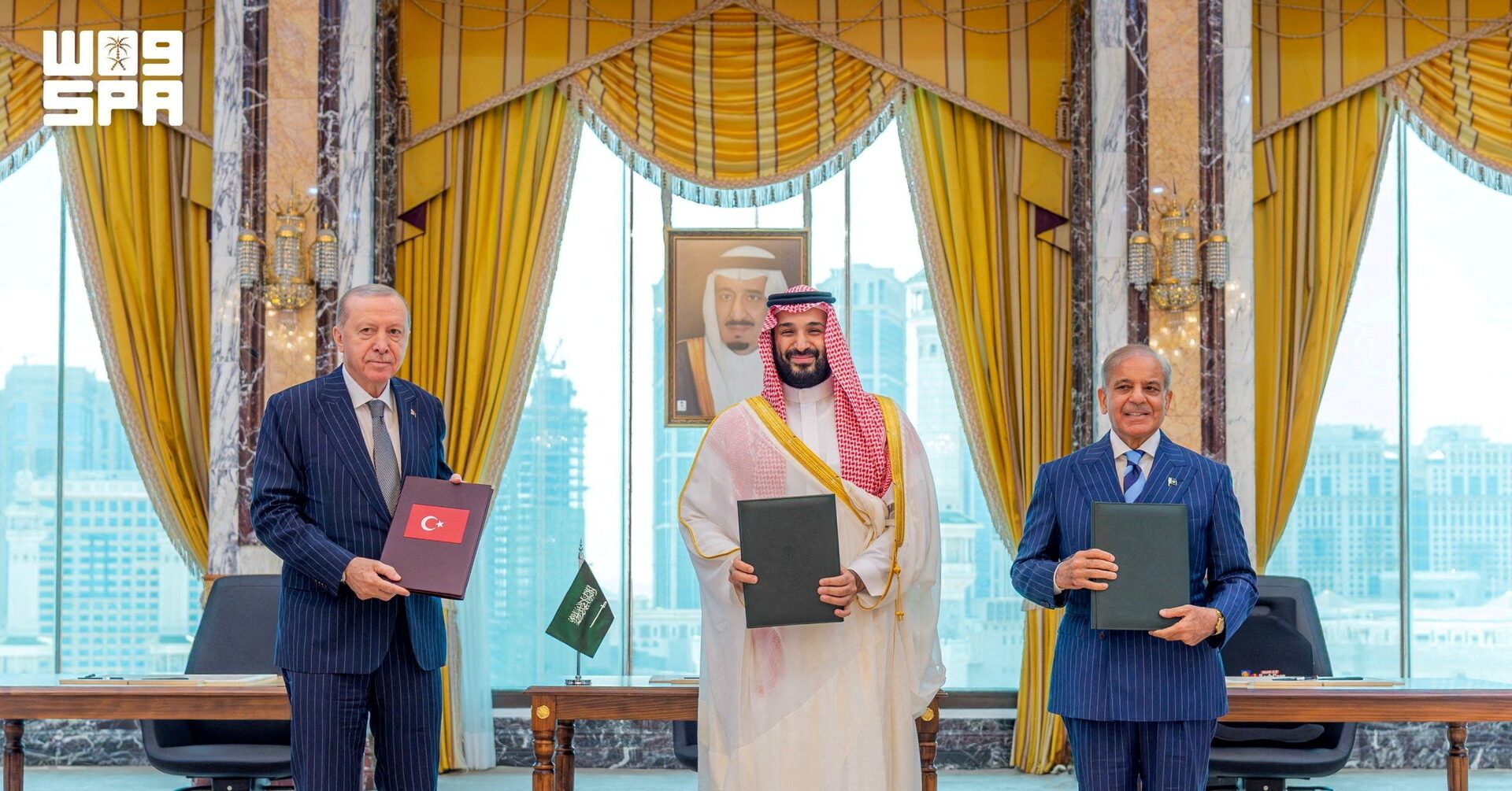
France is not acting alone. Saudi Arabia, Turkey and Pakistan are holding an urgent meeting under a joint defense pact to discuss support options Reuters. The Houthis, an Iran-aligned militia based in Yemen, have claimed responsibility for the attacks as part of their broader campaign against regional shipping Reuters. Paris emphasized that French forces will focus on air defense and investigation, not combat operations Mezha.
Why the East-West Pipeline Matters
Before the attacks, the East-West Pipeline moved 4–5 million barrels per day across Saudi Arabia from the Persian Gulf to the Red Sea Reuters. This route lets Saudi oil bypass the Strait of Hormuz, a chokepoint where one-third of global seaborne oil passes. Damage to both routes at once creates acute shortages and spikes prices worldwide Reuters.
Sentiment
Mostly NegativeNEGATIVENEUTRALPOSITIVE
Publishers
33
Articles
66
Reach
99
A
AnonymousAuthor


