Farmland Damage in Lebanon
Israeli Airstrikes Damage Over 22 Percent of Southern Lebanon Farmland
Anonymous
Key Points
1
Agriculture Minister Nizar Hani briefed President Joseph Aoun on the agricultural damage during a meeting at the presidential palace east of Beirut.
2
Hani said Lebanon’s 2027 Agriculture Ministry budget contains only “modest additions” for developing infrastructure at land crossings and the port, rather than a major allocation for rehabilitating damaged farmland.
3
Between $6 million and $7 million is currently being distributed directly to farmers as agricultural support and assistance, with Hani saying he hoped additional funding could be secured.
4
A Human Rights Watch report cited in one account documented Israel’s use of white-phosphorus incendiaries early in the war; the report said the incidents were associated with fires affecting forests and farmland in southern Lebanon.
5
Although Rome was identified as the expected venue for the next U.S.-sponsored negotiations, Lebanon had not officially announced a date for the talks.
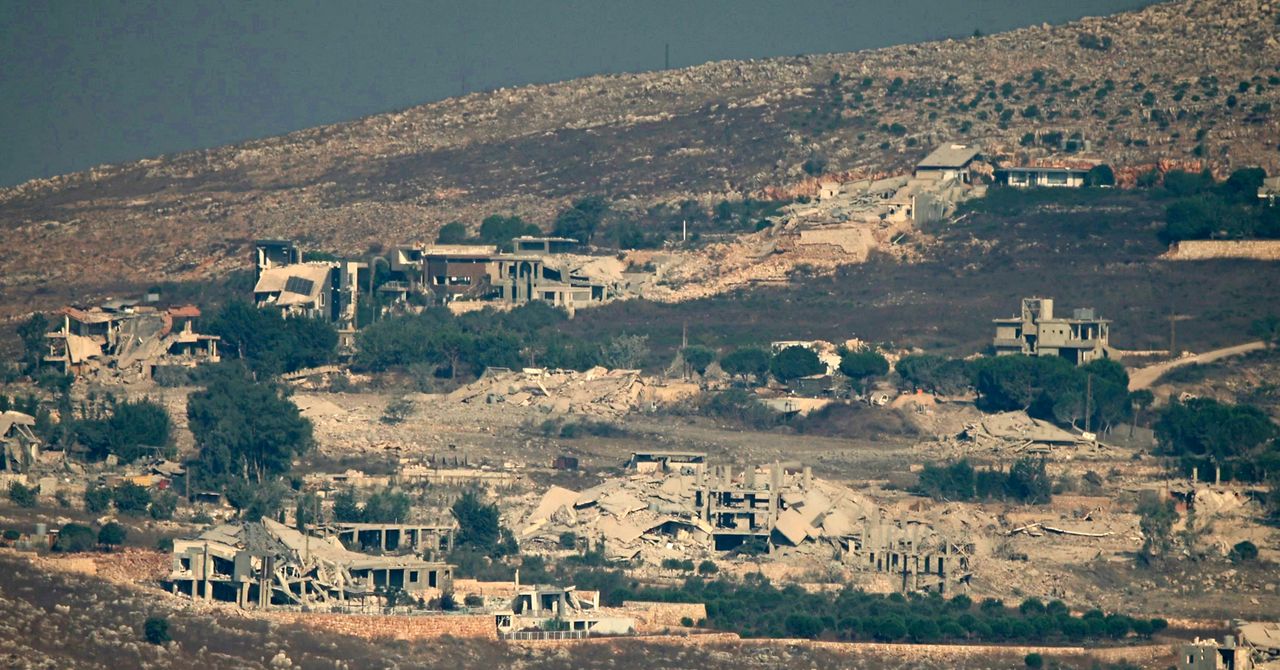
Israeli airstrikes and controlled detonations ravaged southern Lebanon on Wednesday, destroying more than 56,000 hectares of farmland—22.5% of the region's agricultural land. Agriculture Ministry officials briefed the president on the damage as residents braced for more strikes, despite a U.S.-brokered ceasefire framework calling for Israeli withdrawal and Lebanese army deployment.
The destruction threatens a region where farming is the economic backbone. Lebanese officials say repairs will cost over $3.6 billion, with only $6–7 million currently allocated to direct farmer support. Negotiations are set to resume in Rome, though no official date has been announced.
Massive Explosion Triggers Earthquake-Level Tremors
Israel's military detonated what Wired described as a massive explosion near Nabatieh, generating seismic waves equivalent to a magnitude 4.1 earthquake. Daily Beirut reported the blast targeted what Israel claimed was an underground Hezbollah base. The Israel Defense Forces used over 1,000 tons of explosives to demolish tunnels and destroy infrastructure across the south.
Additional strikes were reported near Nabatieh al-Fawqa and Zibqin. MCI Group documented the destruction of a school in Mansouri in the Tyre district, along with tunnel systems. Officials reported no immediate casualties as damage assessments continued across the region.
Agricultural Devastation Threatens Southern Economy
Agriculture Minister Nizar Hani told President Joseph Aoun that Israeli attacks have damaged 56,000 hectares of farmland in southern Lebanon. This represents 22.5% of all agricultural land in the region—the economic lifeblood for thousands of farming families. The ministry estimates total repair costs at $3.6 billion.
Lebanon's 2027 agriculture budget includes only "modest additions" for port and border infrastructure, with no major allocation for farm rehabilitation. Currently, $6–7 million is being distributed directly to farmers as emergency support. Officials are pursuing a $40 million World Bank project and seeking additional international aid to address the crisis.
Ceasefire Framework Holds Despite Ongoing Military Action
Wednesday's attacks violated the spirit of a U.S.-brokered agreement signed by Beirut and Israel calling for gradual Israeli withdrawal and Lebanese army deployment to the south. Middle East Monitor noted the strikes came despite the framework agreement. Near-daily security incidents have continued since the accord was signed.
U.S.-sponsored negotiations are expected to resume in Rome, though Lebanon has not officially confirmed a date. Israeli Prime Minister Benjamin Netanyahu signaled readiness for additional strikes against Hezbollah sites. The escalation raises doubts about the ceasefire's ability to hold without enforcement mechanisms.
White Phosphorus Use Linked to Forest and Farm Fires
A Human Rights Watch report documented Israel's use of white-phosphorus incendiaries early in the conflict. According to the report, these incidents were associated with fires affecting forests and farmland across southern Lebanon. White-phosphorus munitions are controversial because they can spread uncontrollably and cause widespread damage beyond military targets.
Sentiment
Mostly NegativeNEGATIVENEUTRALPOSITIVE
Publishers
14
Articles
6
Reach
20
Topics
A
AnonymousAuthor


