High-Stakes Court Term Begins
Supreme Court opens new term with major cases on climate change and immigration.
Anonymous
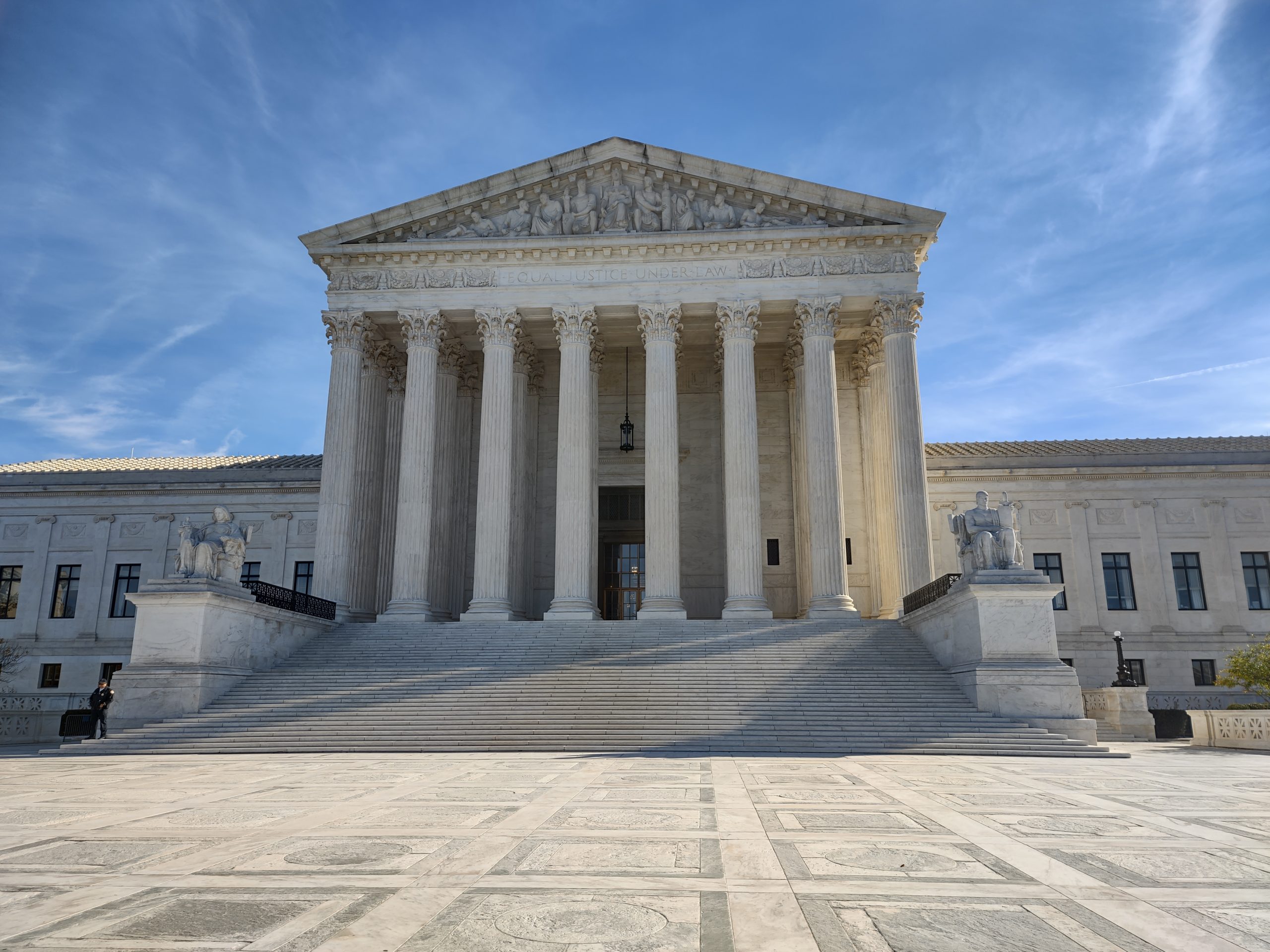
The Supreme Court's new term opens with a high-stakes climate case that could block billions of dollars in lawsuits against oil giants. CNN reports the justices will hear an appeal from ExxonMobil and Suncor Energy, who want to stop Colorado from holding them liable for climate damages. If the companies win, nearly 60 similar lawsuits filed by cities and states across the country could collapse.
Beyond climate, the court faces major cases on immigration enforcement and voting rights. CNN notes the docket includes battles over deportations, mandatory detention of undocumented immigrants, and Republican efforts to enforce strict Arizona voting laws. Each case carries enormous stakes for Trump administration policies and the 2024 election cycle.
Oil Companies Argue Climate Lawsuits Are a Regulation Trap
ExxonMobil and Suncor filed their petition in August 2025 after Colorado's highest court ruled 5–2 in their favor was not enough to stop Boulder's lawsuit. The Indiana Lawyer explains the energy companies claim state tort claims amount to an 'enormous carbon tax' that could 'bankrupt the energy industry.' The Trump administration sided with them, calling the litigation an unconstitutional power grab designed to regulate emissions without going through Congress.
Boulder argues this is simple consumer protection. The city says oil companies knew their products caused climate damage but hid that truth—similar to past cases against tobacco and asbestos makers. Yale Law School professor Douglas Kysar warns the Supreme Court could 'entirely shut down a whole category of climate accountability litigation' if it sides with the energy giants.
A Nationwide Wave of Climate Liability Cases Hangs in Balance
Nearly 60 cities and states are pursuing similar lawsuits against fossil fuel companies. The Indiana Lawyer reports potential damages could reach billions of dollars for infrastructure repairs, wildfire recovery, and emergency response costs. Colorado alone faced billions in damage from the 2021 Marshall Fire and other climate disasters.
Legal analysts warn a ruling for the oil companies could eliminate state court litigation nationwide—not just for energy firms but also for pharmaceutical and social media companies facing similar claims. ABC News notes this reflects a pattern: after the Supreme Court blocked EPA climate rules in 2022, municipalities turned to state courts as their only legal option.
Immigration Enforcement Cases Test Trump's Deportation Authority
The court will hear two major immigration disputes this term. CNN reports one case challenges the mandatory detention of undocumented immigrants awaiting deportation—even those who cannot be quickly sent back to their home countries. The other targets state rules requiring immigrants to prove citizenship when registering to vote.
These cases arrive as the Trump administration accelerates deportation efforts. The stakes are direct: decisions could either expand or restrict the government's power to hold and deport migrants. ABC News emphasizes these rulings will shape how aggressively federal agents can move against undocumented immigrants.
Voting Rights and Election Rules Take Center Stage
Republicans are pushing the Supreme Court to uphold Arizona's strict voter registration and roll-purge laws. CNN notes federal law typically gives states 90 days before an election to clean voter rolls. The Republican National Committee argues stricter verification should be allowed to keep ineligible voters off the ballot.
Voting rights advocates say these laws suppress minority voters and create chaos close to elections. Oral arguments are scheduled for December 2026. The outcome could reshape voting access nationwide and directly impact the 2024 race and beyond.
Sentiment
Mostly PositiveNEGATIVENEUTRALPOSITIVE
Publishers
42
Articles
136
Reach
178
A
AnonymousAuthor


