Deportation Policy Review
Supreme Court temporarily allows controversial third-country deportations while reviewing policy legality.
Anonymous
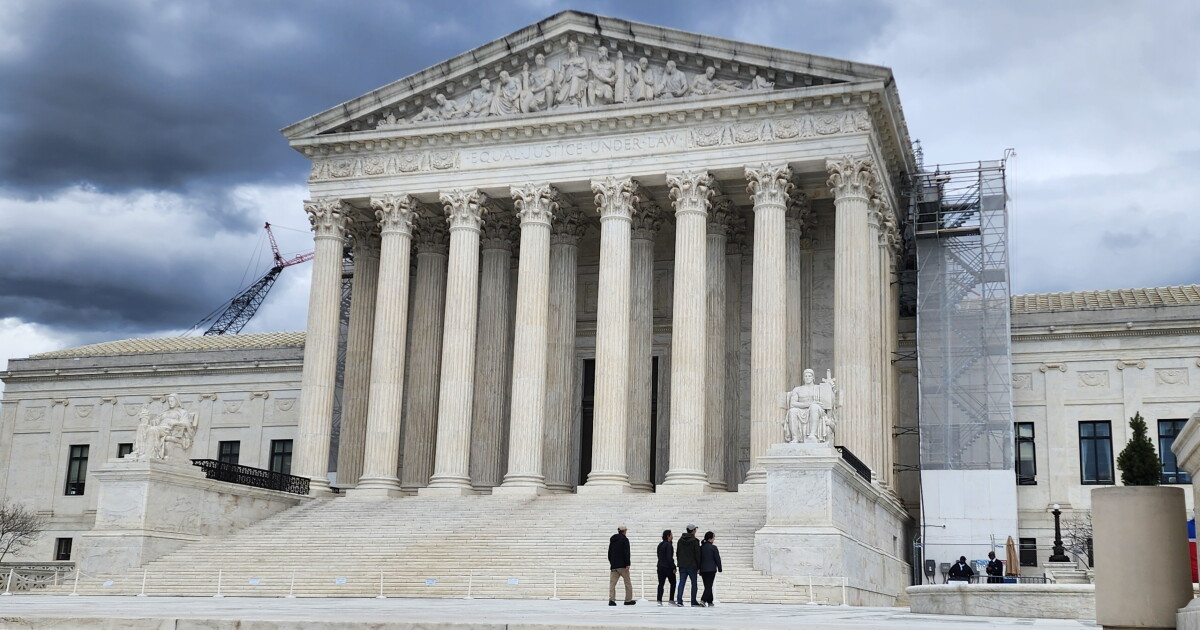
The Supreme Court temporarily cleared the Trump administration to resume deporting immigrants to countries other than their own while it reviews the policy’s legality. The unsigned order stayed a lower-court ruling requiring meaningful notice of the destination and an opportunity to challenge removal based on fears of persecution or torture; three justices dissented. The court will hear arguments in December on the policy, including whether immigrants may sue and whether lower courts had authority to block the practice, with a final decision expected later. The administration says the requirements impede removals and sensitive diplomatic arrangements, while immigrant advocates warn that people may face harm in countries where they have no ties; most third-country deportees have been sent to Mexico. Human Rights First and Refugees International say their tracking project has counted more than 25,000 third-country removals, though estimates and reported destinations vary.
Key Points
1
The administration has entered third-country deportation agreements with at least 35 countries, according to Third Country Deportation Watch.
2
Human Rights First says it has tracked deportees reporting beatings and threats at gunpoint after arrival, as well as people forced back to countries they had fled to seek asylum in the United States.
3
More than two dozen U.N. experts called on the United States to suspend the deportation practice and its related agreements.
4
The First Circuit recently became the first appeals court to rule on the merits, finding the policy unlawful under multiple federal laws; the Supreme Court’s latest intervention was its third response to the administration’s requests to pause the lower-court order.
5
The policy has included sending Cuban residents of South Florida to African countries, according to the Miami Herald.
Sentiment
Mostly NegativeNEGATIVENEUTRALPOSITIVE
Publishers
22
Articles
245
Reach
267
A
AnonymousAuthor


