Remembering Steve Jobs' Tech Legacy
Steve Jobs’ Enduring Legacy Shapes Technology Fifteen Years After His Death
Anonymous
Key Points
1
Jobs’ death certificate listed respiratory arrest as the immediate cause of death and a metastatic pancreatic neuroendocrine tumor as the underlying cause. He had been treated for the rare cancer since age 49.
2
After a liver transplant in 2009, Jobs publicly thanked the organ donor, saying, “I am alive because of their generosity.” The article also reports that Jobs had declined Tim Cook’s offer to donate part of his liver.
3
Apple still maintains its “Remembering Steve” webpage, which features a selection of more than one million messages submitted by people around the world.
4
Jobs’ death came the day after Apple executives introduced the iPhone 4s at an event at the company’s Infinite Loop campus.
5
A clothing company, St. Croix, once claimed credit for Jobs’ black turtlenecks, with its owner saying Jobs bought two dozen annually; the article says that account was disputed, and Jobs attributed the shirts to designer Issey Miyake.
Steve Jobs died 15 years ago on October 5, 2011, at age 56 from a rare pancreatic cancer. Yet his influence on technology, design, and business remains everywhere—from the sleek iPhones billions use daily to the way companies think about simplicity and intuition. Apple still maintains its "Remembering Steve" webpage, which has collected more than one million messages from people around the world honoring his legacy.
Today, Apple's leadership continues to credit Jobs with shaping the company's DNA. CEO Tim Cook and other executives have reflected on how Jobs' ideas—about pursuing meaningful work, trusting instincts, and persisting through hardship—still guide Apple's products and decisions. His 2005 Stanford commencement address, in which he spoke about connecting the dots and following curiosity, remains one of the most watched speeches on the internet.
A Battle With Cancer Spanning Over a Decade
Jobs was diagnosed with a metastatic pancreatic neuroendocrine tumor at age 49 and fought the disease for over a decade. In 2009, he received a liver transplant and publicly thanked his organ donor, saying, "I am alive because of their generosity." According to reports, Jobs had declined Tim Cook's offer to donate part of his liver, choosing instead to pursue other treatment options.
When Jobs died on October 5, 2011, his death certificate listed respiratory arrest as the immediate cause. The rare cancer had progressively weakened his body over the years. His death came just one day after Apple executives introduced the iPhone 4S at the company's Infinite Loop campus in Cupertino, California.
From Macintosh to iPhone: Reshaping How Humans Use Technology
Jobs' career was marked by an uncanny ability to turn complex technology into products people actually wanted to use. The Macintosh made personal computers accessible to ordinary people. The iPod transformed how we listened to music. The iPhone combined a phone, music player, and internet device into one intuitive tool that changed everything.
Beyond Apple, Jobs co-founded Pixar and helped revolutionize animated storytelling. Each product reflected his philosophy: strip away unnecessary complexity, focus on what matters, and make technology disappear into the background. This obsession with simplicity became Apple's defining trait and influenced an entire generation of designers and engineers.
The Black Turtleneck and Minimalist Icon Status
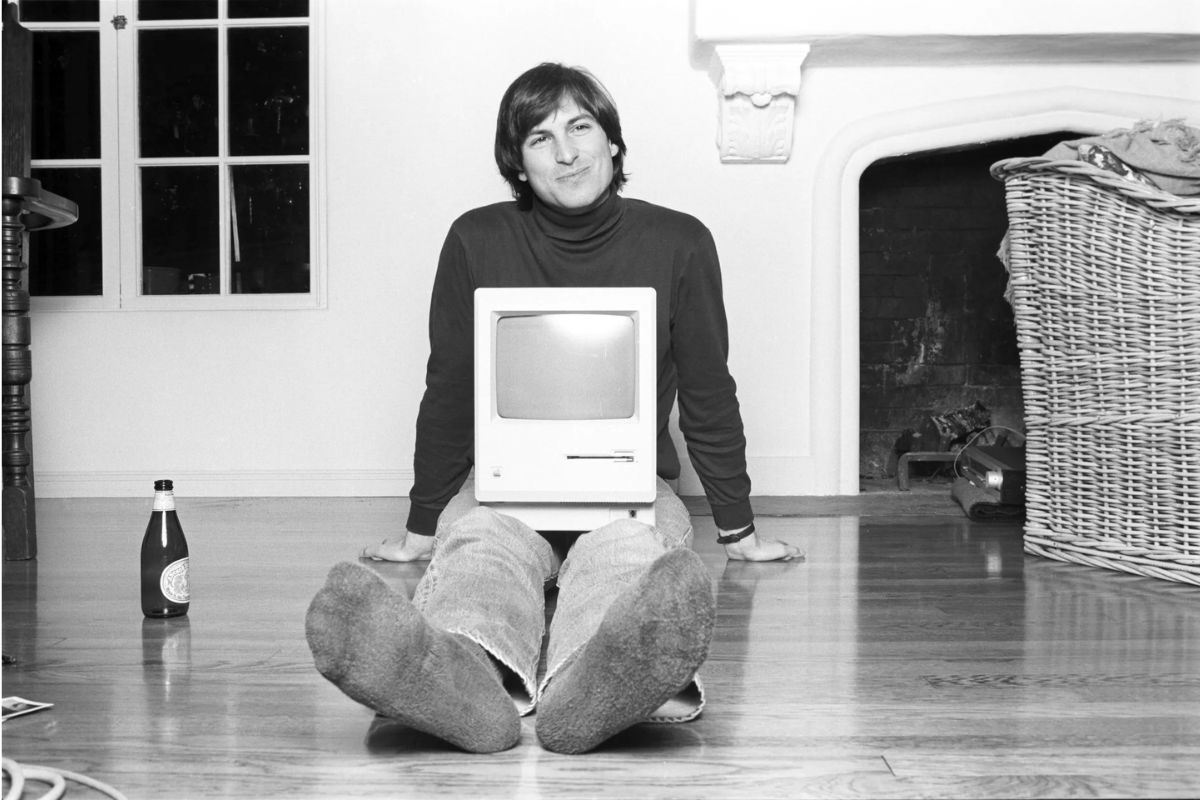
Jobs became famous for his uniform: a black turtleneck, jeans, and sneakers. For years, a clothing company called St. Croix claimed credit for the turtlenecks, with its owner saying Jobs bought two dozen annually. That account has since been disputed. Jobs himself attributed the iconic shirts to Japanese designer Issey Miyake, who created a special version just for him.
The turtleneck became more than fashion—it was a symbol of Jobs' minimalist philosophy. By removing decisions about what to wear, he freed his mind for what mattered: innovation. This same thinking shaped Apple's design language: clean lines, minimal buttons, intuitive interfaces. Even brands like New Balance have released tribute products honoring his style legacy.
Words That Still Inspire, Even in Absence
Jobs' 2005 Stanford commencement speech has become one of the most quoted and watched speeches by any business leader. He spoke about following curiosity, not fear. He talked about mortality—how remembering you will die helps you make bold choices. He urged listeners to find work they love and to persist when things get difficult.
Fifteen years after his death, these ideas remain central to how Apple operates. Cook and other executives regularly invoke Jobs' principles when discussing new products or company direction. The message is clear: purpose requires discipline and effort, but the rewards—products that change the world and lives that matter—make it worth the struggle.
Sentiment
Mostly NegativeNEGATIVENEUTRALPOSITIVE
Publishers
16
Articles
16
Reach
32
A
AnonymousAuthor


