Orbital Debris Collision Risk
Cold War Spy Satellite Breaks Apart in Orbit, Raising Space Collision Risks
Anonymous
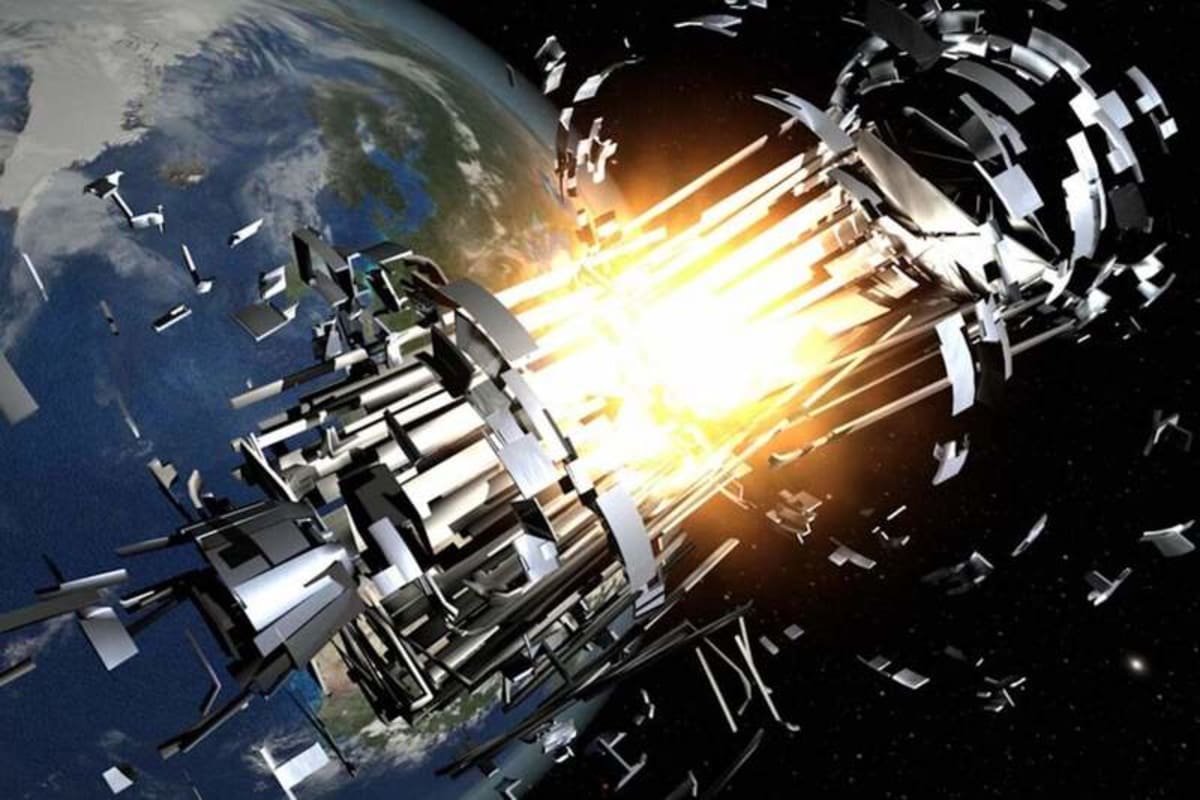
The Cold War-era U.S. spy satellite USA 32, also known as Farrah III, broke apart in low Earth orbit on September 13, according to the U.S. Space Force’s Space-Track unit. Launched in 1988 to intercept Soviet radar and radio signals, the satellite was believed to have been inactive for years. Officials have not determined what caused the fragmentation or how many pieces were created; possible explanations include an internal component failure or an impact, but neither has been confirmed. The breakup occurred about 775 kilometers above Earth, and modeling suggests debris may have spread along the satellite’s orbital path within a day. With many other satellites and existing debris in the region, experts warn the fragments could increase collision risks, though the debris field is still being assessed.
Key Points
1
At least 200 other satellites occupy the area where USA 32 broke apart, and debris from the 2009 collision between an American and Russian satellite is already present there.
2
The International Space Station and China’s Tiangong station are currently below the breakup altitude, though the debris could shift orbit over time.
3
Private tracking company s2a systems photographed what it described as the largest remaining fragment of USA 32.
4
The satellite was nicknamed Farrah III after actor Farrah Fawcett, reflecting the NRO’s former practice of naming satellites after notable figures from the 1970s and 1980s; its cylindrical shape was likened to a giant “tuna can.”
Sentiment
Mostly NegativeNEGATIVENEUTRALPOSITIVE
Publishers
17
Articles
9
Reach
26
A
AnonymousAuthor