Final Deadline For Yadav
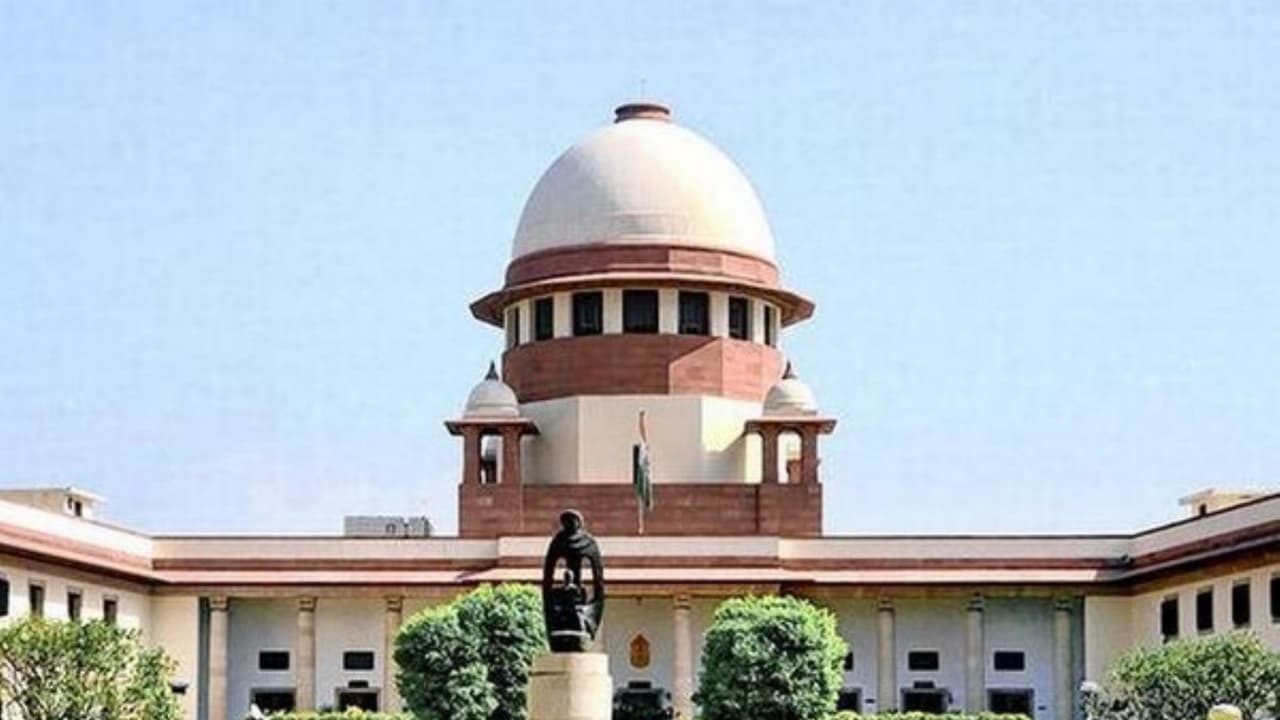
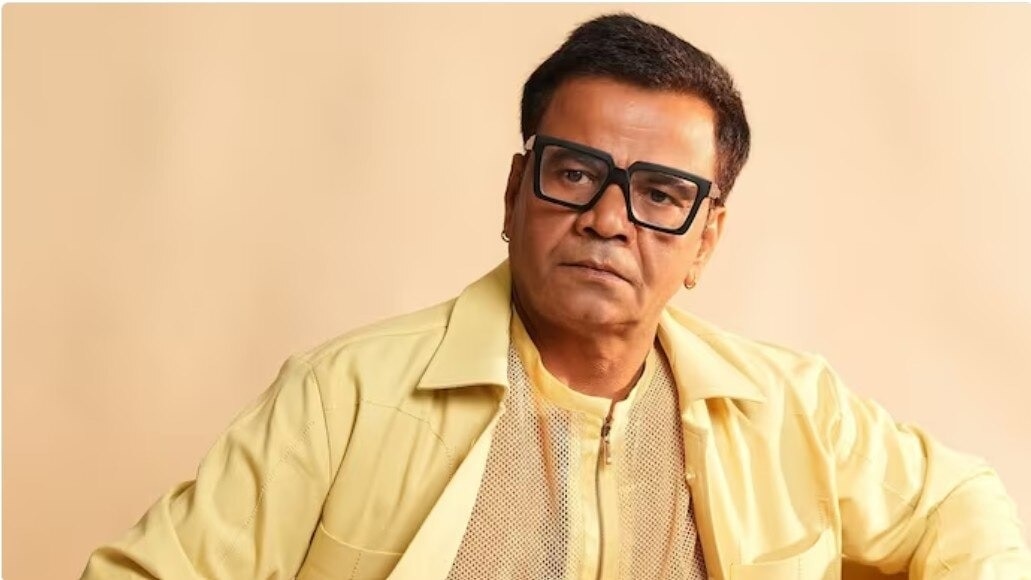
Supreme Court grants Bollywood actor Rajpal Yadav final two weeks to clear dues.
Anonymous
Key Points
1
The complainant alleged that Yadav issued seven cheques of Rs 1.05 crore each in 2013 toward settling the financial assistance, but all of them were dishonoured.
2
A 2012 agreement allegedly required Rajpal Yadav, his wife and their company to repay approximately Rs 11 crore, including interest, according to Murli Projects.
3
Yadav’s senior counsel, P.S. Patwalia, told the court that the actor had already spent four and a half months in prison and that friends from the entertainment industry had helped secure his bail.
4
The matter was heard by a bench comprising Chief Justice Surya Kant and Justices Joymalya Bagchi and V. Mohana, which extended Yadav’s exemption from surrender until October 5.
5
The court’s skepticism was tied to alleged non-compliance with earlier orders; the bench said Yadav was “perfect at doing drama” and that his conduct did not inspire confidence.
Bollywood actor Rajpal Yadav faces a two-week deadline to deposit Rs 2 crore with India's Supreme Court or face immediate arrest in a cheque-bounce case stemming from a Rs 5 crore loan gone bad. DNA India reported that the bench—led by Chief Justice Surya Kant—extended protection from arrest only until October 5, warning this would be the final reprieve. Yadav must also surrender his passport and arrange surety for the remaining amount owed to Murli Projects Private Limited.
The court openly doubted Yadav's sincerity. CJI Kant remarked that Yadav was "perfect at doing drama" and questioned how the court could trust him given his past non-compliance with orders Hindustan Times. Yadav, represented by senior counsel P.S. Patwalia, said he had already spent four and a half months in jail and was liquidating ancestral property to raise funds.
A Rs 11 Crore Debt From a Failed Film
The dispute traces back to 2010, when Yadav borrowed approximately Rs 5 crore from Murli Projects to fund his directorial debut, *Ata Pata Laapata*. A 2012 agreement required Yadav, his wife Radha, and their company to repay Rs 11 crore—including accumulated interest Business Today. In 2013, Yadav issued seven cheques of Rs 1.05 crore each to settle the debt. All seven bounced.
The film flopped at the box office, leaving Yadav unable to meet his obligations. Republic World reported the original claim ballooned to approximately Rs 9 crore or more due to dishonoured cheques and mounting interest. Over 15 years of legal battles followed, with Yadav appealing convictions through lower courts and finally reaching the Supreme Court.
Delhi High Court Conviction Triggers Supreme Court Appeal
In July 2026, the Delhi High Court upheld conviction in all seven cheque-bounce cases and sentenced Yadav to three months in prison for each offence. ABP Live noted Yadav and his wife filed an appeal challenging the ruling in India's Supreme Court, arguing financial hardship rather than intent to defraud. The couple sought interim protection from arrest while their appeal proceeds.
The Supreme Court has now granted temporary relief. DNA India reported the bench reduced the immediate deposit requirement from a larger sum to Rs 2 crore, giving Yadav fourteen days to comply. However, Chief Justice Kant's sarcastic remarks—calling Yadav skilled at "doing drama"—signalled the court's impatience with delays.
A Final Chance Before Prison Time
Yadav's lawyer promised compliance, telling Hindustan Times that the actor welcomed the relief and would deposit funds immediately. ABP Live quoted the advocate: "We will comply." Yadav has already spent 4.5 months in jail during prior disputes and reportedly enlisted help from entertainment industry friends to secure bail.
If Yadav fails to deposit Rs 2 crore and surrender his passport by October 5, the Supreme Court warned it will not grant further extensions. Business Today reported the bench made clear: no additional relief would follow. Failure to comply triggers immediate revocation of arrest protection and enforcement of the three-month prison sentence across all seven cases.
Sentiment
Mostly NegativeNEGATIVENEUTRALPOSITIVE
Publishers
43
Articles
44
Reach
87
A
AnonymousAuthor