Lithium-Ion Battery Safety
Discarded Lithium-Ion Batteries Spark Multiple Recycling Facility And Vehicle Fires
Anonymous
Key Points
1
The Lincoln bin-lorry fire occurred on Elvington Road at about 10:25 BST, and two fire engines attended the incident.
2
At the Salt Lake City recycling plant, the burning material was described as a deep pile that could include electronics, cardboard and wood; a local resident said it was the same business involved in a similar fire in May.
3
Fire-safety officials advised charging lithium-ion devices on solid surfaces and keeping them away from combustible materials such as paint, fuel and paint thinner.
4
During the Aberdeen incident, the Scottish Fire and Rescue Service deployed a detection, identification and monitoring vehicle, while the ambulance service sent an ambulance and two special operations response teams.
5
The Dorset recycling-centre fire began shortly after 02:30 BST at Candys Lane in Corfe Mullen, and the response involved 10 fire engines and water carriers.
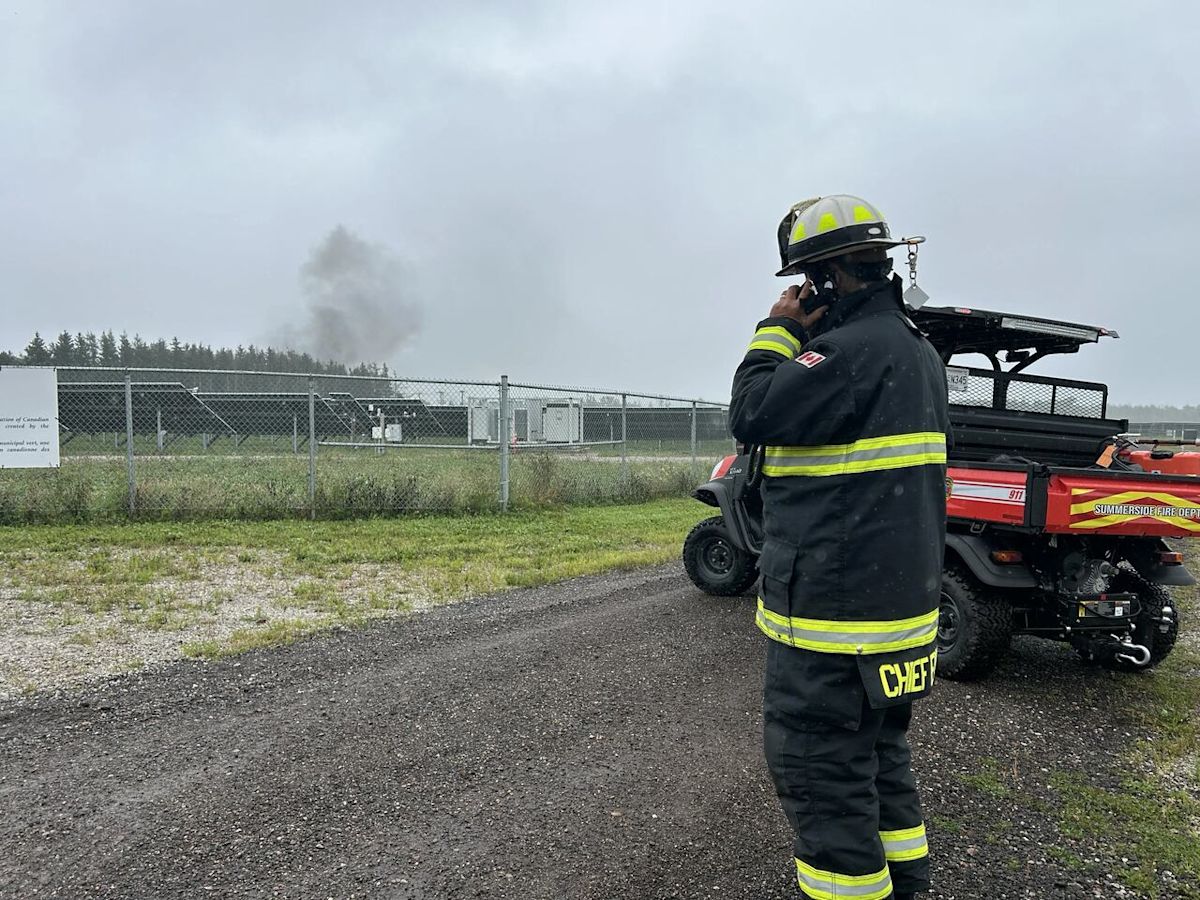
Discarded batteries are triggering dangerous fires at waste facilities across multiple countries. A bin lorry caught fire in Lincoln after lithium-ion batteries were improperly thrown in household waste, while Salt Lake City saw its second major recycling plant fire in four months. BBC and fire safety officials are warning the public: batteries belong in recycling centres, not trash bins.
The blazes highlight a growing crisis. Lithium-ion batteries can enter thermal runaway — a chain reaction that releases extreme heat — when damaged or overheated. In recycling facilities, deep piles of mixed waste and collection vehicles allow fires to spread rapidly, creating smoke hazards that force evacuations and prompt authorities to deploy hazmat teams.
Bin Lorry Fire in Lincoln Sparks Urgent Safety Alert
A refuse collection vehicle caught fire on Elvington Road in Lincoln at 10:25 BST after lithium-ion batteries were placed in household waste. BBC News reported that two fire engines attended the incident. Fire crews warned that batteries must never go into regular bins. They should be dropped at designated recycling centres instead, where trained staff can handle them safely.
This incident mirrors a broader pattern. Batteries left in household bins travel in collection lorries alongside other waste. The metal inside batteries can short-circuit during compaction, triggering fires that endanger drivers and damage equipment. Councils across the UK now face increasing costs cleaning vehicles and managing disposal disruptions caused by battery fires.
Salt Lake City Plant Burns for Second Time in Months
An electronics recycling facility in Salt Lake City experienced a deep-pile fire — its second in four months — involving accumulated electronics, cardboard, and wood. Local sources reported the facility had suffered a similar blaze just five months earlier. Deep storage piles in recycling plants create ideal conditions for fires to grow. Flames can burn internally for hours before crews spot the smoke.
The recurring fires suggest the plant lacks adequate separation between combustible materials and battery-containing devices. Fire safety experts recommend keeping lithium-ion batteries isolated during storage and disposal. They also advise facilities to monitor moisture levels and temperature in mixed waste piles, where chemical reactions can build up heat undetected.
Lithium-Ion Devices Need Careful Storage During Daily Use
Fire-safety officials stress that the problem begins before items reach recycling plants. Fire Marshal authorities recommend charging lithium-ion devices — phones, laptops, power tools — only on solid, non-combustible surfaces. Keep them away from paint, fuel, paint thinner, and other flammable materials. Never leave devices charging unattended on beds, carpets, or near cushions.
Damaged or swollen batteries pose the highest risk. If a battery feels warm, smells unusual, or shows visible damage, do not use it. Take it immediately to a recycling centre in a separate container. Never wrap it in cloth or place it near heat sources. This single precaution prevents thermal runaway — the uncontrolled heat release that can trigger facility-wide fires.
Aberdeen Hazmat Alert and Dorset Recycling Centre Blaze
A suspected hazardous-material incident at an Aberdeen industrial estate forced evacuations after orange smoke was spotted. Scottish Fire and Rescue Service deployed a detection, identification and monitoring vehicle while ambulance crews sent two special operations response teams. Testing confirmed the area was safe and no residents required hospital treatment, though the episode underscored risks posed by unmarked or misidentified waste.
Meanwhile, a major fire at a Dorset recycling centre on Candys Lane in Corfe Mullen broke out shortly after 02:30 BST, involving scrap metal and electrical items. Local fire brigade deployed 10 fire engines and water carriers to contain the blaze. The smoke plume prompted authorities to advise residents to close windows and doors. Fires involving mixed electronics release potentially hazardous fumes from burning plastics and metal coatings.
Sentiment
Mostly NegativeNEGATIVENEUTRALPOSITIVE
Publishers
18
Articles
14
Reach
32
Topics
A
AnonymousAuthor


