States vs. Tariffs
Twenty-five states sue Trump administration over new tariffs, alleging illegal tax hike claims
Anonymous
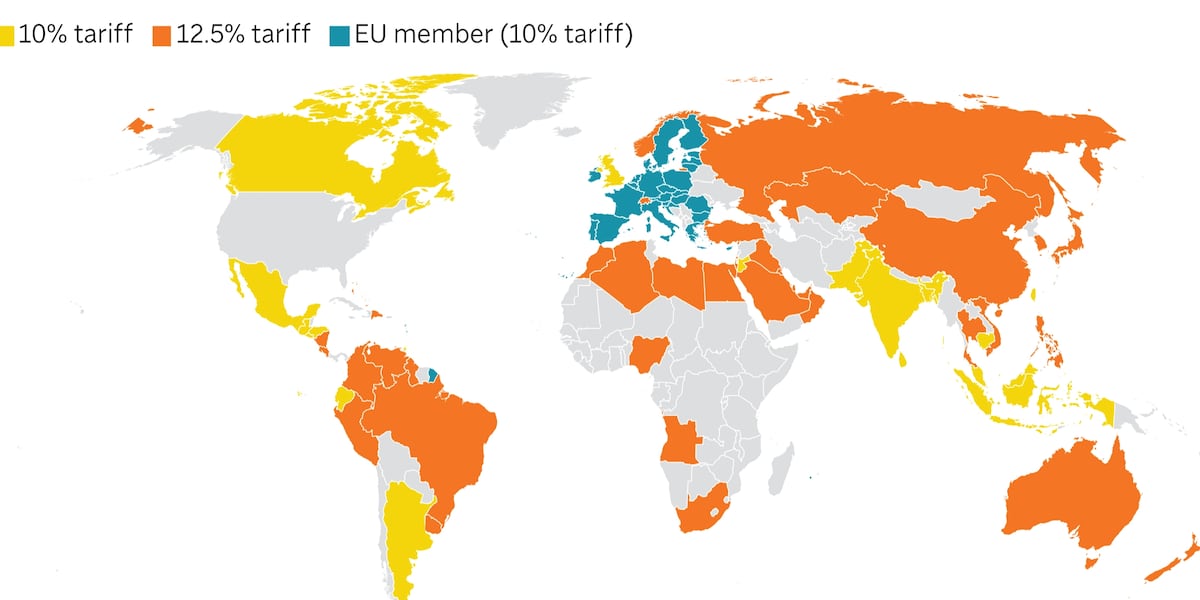
A coalition of 25 states has filed a lawsuit against the Trump administration over its latest round of tariffs, arguing the new taxes are an illegal attempt to sidestep a Supreme Court ruling. WIBW reported that the states claim the tariffs are a pretext — a cover story — for reimposing import taxes that the court had already struck down.
New York Attorney General Letitia James is leading the charge. She accused the administration of "illegally raising taxes on families and businesses" with this new round of tariffs, according to AZ Family.
What the New Tariffs Actually Do
Last month, the Trump administration imposed double-digit tariffs on 59 countries and the European Union. The stated reason was that those nations were not doing enough to stop imports made by forced labor, according to WMBF News. The tariffs kicked in as temporary protections expired.
These are broad taxes on goods coming into the United States. When a country faces a tariff, the cost usually gets passed on to American consumers and businesses. Critics say these new tariffs would raise prices on everyday goods for families across the country.
States Say Tariffs Defy a Supreme Court Ruling
The lawsuit's core argument is that the tariffs violate a Supreme Court decision. 12 On Your Side reported that the court's earlier ruling — overturned in February — had blocked similar import taxes. The states say the administration is now trying to bring those same taxes back through a different legal door.
Using one law to get around what another law — or a court — already decided is a major legal red flag. The states argue this makes the new tariffs illegal from the start. All 25 states signing onto the lawsuit signals a wide, organized pushback against the policy.
25 States Unite Against White House Trade Policy
Having 25 states join a single lawsuit is a significant show of force. According to KLTV, the states claim the administration overstepped its authority. Attorney General James called the tariffs an illegal tax hike that harms ordinary Americans.
The lawsuit adds to a growing list of legal battles over Trump's trade agenda. Courts have already weighed in on earlier rounds of tariffs. This new case could test how far a president can go in using trade law to impose broad economic penalties.
What Happens Next in the Legal Fight
The case will now move through the federal court system. Judges will decide whether the tariffs cross legal lines set by Congress and the Supreme Court. WNDU noted that the states are citing the Supreme Court ruling directly as their main legal weapon.
If the states win, the tariffs could be blocked or rolled back. If the administration wins, it would set a strong precedent for using executive power to impose trade penalties. The outcome could reshape how future presidents handle tariffs and trade policy.
Sentiment
NeutralNEGATIVENEUTRALPOSITIVE
Publishers
116
Articles
536
Reach
652
A
AnonymousAuthor


