Harvest Advances Ahead of Schedule
U.S. Corn and Soybean Harvests Advance Faster Than the Five-Year Average
Anonymous
Key Points
1
The USDA reported that 92% of corn had reached the dented stage and 58% had reached maturity by Sept. 20, both slightly ahead of their five-year averages of 91% and 55%, respectively.
2
Corn crop conditions were weaker than a year earlier: 57% of the crop was rated good or excellent, compared with 66% at the same point in 2025.
3
Soybean conditions also lagged last year, with 58% rated good or excellent as of Sept. 20, versus 61% a year earlier.
4
Winter wheat planting was behind schedule, with 17% of the crop planted across the top-growing states, below the five-year average of 21%; emergence was also behind average at 2% versus 4%.
5
In eastern Missouri, farmer Jim Boerding reported corn yields ranging from 190 to 270 bushels per acre, while some drought-affected soybeans were testing at about 11% moisture but remained green because they had not matured correctly, potentially resulting in elevator discounts.
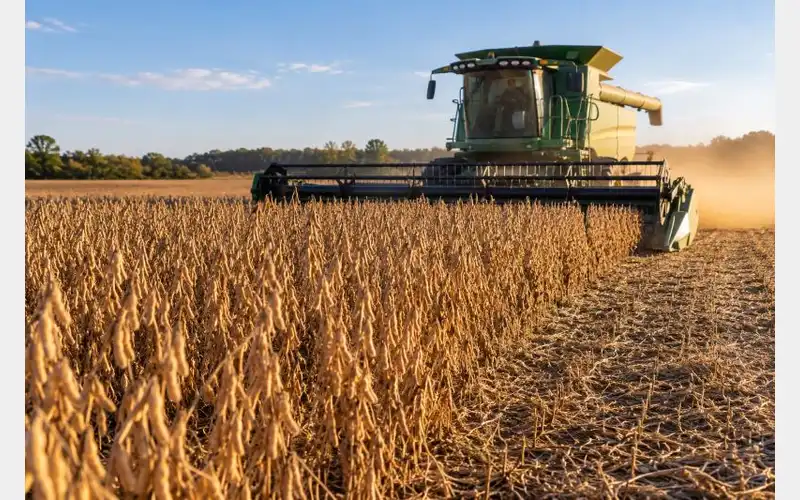
The U.S. corn and soybean harvest is racing ahead of schedule. By September 20, farmers had harvested 13% of the corn crop and 12% of soybeans, outpacing typical progress USDA. Crop development is also moving faster than normal, with 92% of corn reaching the dented stage and 58% fully mature. Yet crop quality tells a different story — only 57% of corn rated good or excellent, down from 66% a year earlier.
Mid-South farmers report strong and sometimes record yields, but the picture is mixed across the nation. Eastern Missouri has seen rain delays and drought-stressed soybeans facing quality discounts at elevators. Corn futures slipped lower as traders weighed stronger U.S. supplies against hopes that China will buy more American grain Investing.
Harvest Pace Races Ahead in the Mid-South
Arkansas farmers are pushing well ahead of normal. The state has already harvested 50% of its soybean crop, marking record pace KVOM. Dry weather across the Mid-South has accelerated fieldwork and allowed farmers to finish quickly. Corn yields in eastern Missouri have ranged from 190 to 270 bushels per acre, indicating strong crop performance in many fields.
Illinois farmers are also running well ahead. Statewide corn and soybean harvest reached 16%, far ahead of the five-year average of 9% WFIWRADIO. Corn maturity in Illinois sat at 69%, compared to the five-year average of 63%. This early momentum suggests a harvest that could wrap up weeks sooner than typical.
Quality Issues Emerge in Some Rain-Hit Areas
Not all regions are thriving equally. Eastern Missouri saw weekend rain halt fieldwork and damage some crops. Drought-stressed soybeans in the area tested at about 11% moisture but remained green because they had not matured properly. Elevators are likely to apply discounts for these substandard beans, cutting farm income just when profit margins are already thin.
Crop condition ratings confirm quality concerns nationwide. Only 57% of the corn crop was rated good or excellent by September 20, down from 66% at the same time last year USDA. Soybean conditions also lagged, with 58% rated good or excellent versus 61% a year ago. Weather variability has created winners and losers across different regions.
Winter Wheat Planting Falls Behind Schedule
While corn and soybean harvest races ahead, winter wheat planting is lagging badly. Only 17% of the winter wheat crop had been planted across the top-growing states by late September, below the five-year average of 21% USDA. Emergence was even more behind, at just 2% versus a normal 4%. Farmers have been too busy harvesting fall crops to get winter wheat in the ground on time.
This delay could pose risks for next year's harvest. Winter wheat needs time to establish roots before cold weather arrives. A late start might reduce yields or increase winterkill if a harsh season follows. Farmers will need favorable weather in coming weeks to catch up without sacrificing spring crop preparation.
Diesel Costs and China Trade Weigh on Farm Profits
Farmers face mounting cost pressures just as harvest swings into high gear. Elevated diesel and transportation costs are eating into profits on every bushel hauled to the elevator. Record or near-record yields help, but higher fuel prices mean less money stays with growers. Many farmers are running razor-thin margins in 2026.
Traders are watching Washington carefully for signs that China will buy U.S. grain. A trade summit between Presidents Trump and Xi Jinping could unlock new sales and lift corn and soybean prices Investing. Chicago Board of Trade futures closed lower as the market sized up increased U.S. supplies against uncertain demand from Beijing. A deal with China could mean the difference between profit and loss for many operations.
Sentiment
Mostly PositiveNEGATIVENEUTRALPOSITIVE
Publishers
15
Articles
14
Reach
29
Topics
A
AnonymousAuthor


