Oil Prices Fall
Brent crude falls below $102 per barrel amid diplomatic de-escalation hopes.
Anonymous
Key Points
1
Both Brent and WTI fell to their lowest levels in more than a week, with the benchmarks earlier reaching their lowest prices since September 10. Some traders also shifted positions from the expiring October WTI contract into November.
2
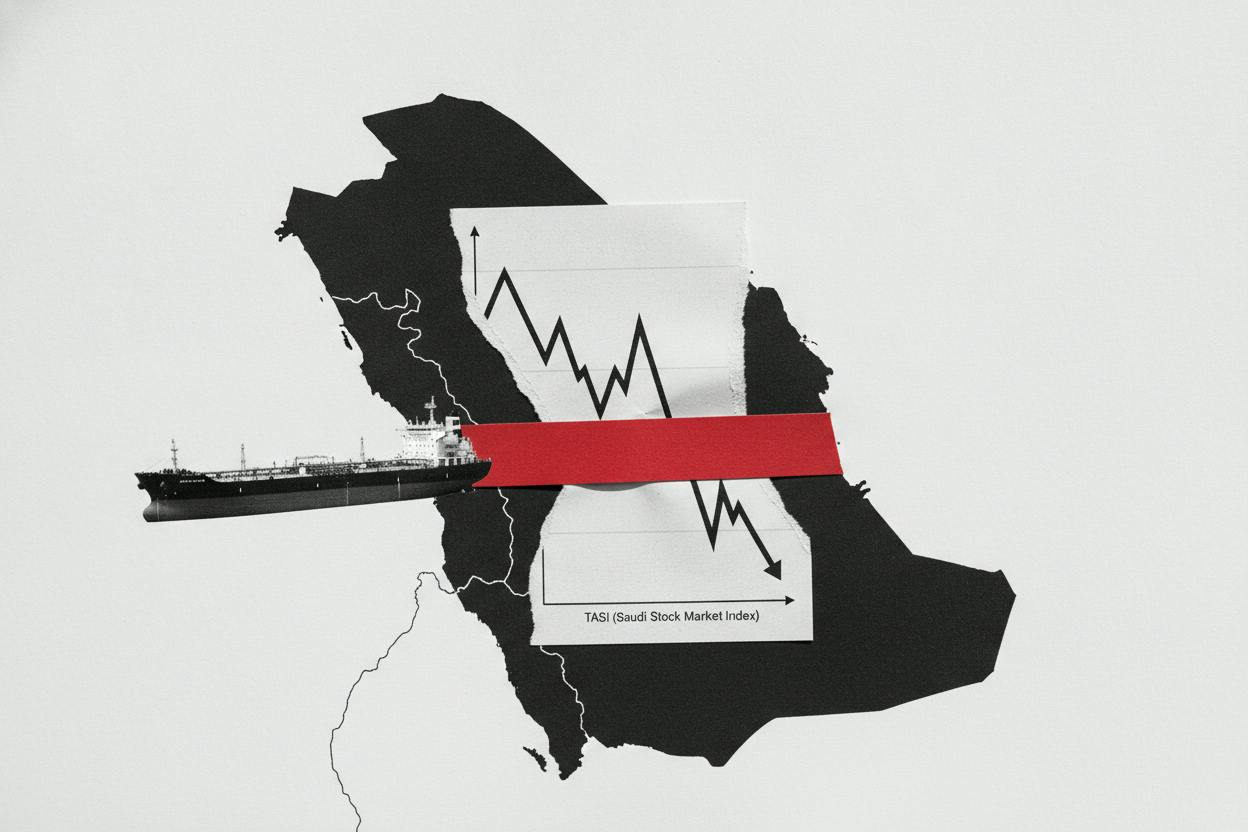
Saudi Aramco increased shipments through the Strait of Hormuz for September and October after previously reducing some exports through the Yanbu route, reflecting the logistical impact of the Houthi attacks.
3
JPMorgan estimated that Middle Eastern oil flows averaged about 17.1 million barrels per day over the previous 10 days—roughly 6.1 million barrels per day below the 2025 average—indicating that regional disruptions were still materially affecting supply routes.
4
U.S. Central Command Commander Admiral Brad Cooper said U.S. forces had supported the movement of more than 1 billion barrels of crude through the Strait of Hormuz in the preceding couple of months, underscoring the waterway’s importance to global oil shipments.
5
In India, domestic crude-linked futures also declined: September futures on the Multi Commodity Exchange fell 2.46% to ₹9,421, while October futures dropped 2.05% to ₹9,034, even as retail petrol and diesel prices were broadly stable.
Brent crude fell below $102 a barrel on Monday, dropping roughly 2% as investors bet on Sunday Guardian Live that U.S. President Donald Trump and Iran might hold talks this week at the United Nations General Assembly. Trading View reported West Texas Intermediate slipped below $100, marking the lowest prices in more than a week. The prospect of de-escalation trimmed some geopolitical risk from oil, even though both Trump and Iranian officials continued exchanging tough rhetoric.
Houthi attacks on Saudi oil targets, including an Aramco facility in Yanbu, and ongoing Middle East supply disruptions kept prices from falling further. Hindustan Times noted that Saudi Arabia shipped more than 4 million barrels per day in September after earlier cuts. JPMorgan estimated regional oil flows averaged 17.1 million barrels daily over 10 days—still 6.1 million below normal 2025 levels.
Diplomatic Hopes Push Prices to 11-Day Low
Oil dropped to its lowest level in 11 days Monday as traders shifted focus from military tension to potential peace talks. Trump said during a Fox News interview he would consider meeting Iran's president. KCM Trade chief analyst Tim Waterer said a "degree of risk premium is being removed from oil prices on hopes that a diplomatic path to de-escalate the US-Iran war may arrive this week."
Iran's security chief outlined conditions for resuming negotiations, signaling potential openness to talks. However, Iranian parliament speaker Mohamad Baqer Qalibaf reaffirmed Tehran's tough stance, stating the country would not surrender to what it called aggression and demanded sanctions removal as a precondition for normal shipping.
Saudi Rerouting Masks Deeper Supply Disruptions
Houthi missile and drone strikes damaged Saudi Arabia's key pipeline to the Red Sea port of Yanbu, forcing rerouting of oil shipments. Saudi Aramco increased exports through the Strait of Hormuz to compensate, pushing volumes to 2.9 million barrels daily in September—up from 700,000 in August. Despite the recovery, Finimize reported fewer vessels passed through the Strait compared to the previous week.
The rerouting masks persistent supply constraints. JPMorgan data showed Middle Eastern crude flows at 17.1 million barrels per day over 10 days—roughly 6.1 million barrels below the 2025 average. Admiral Brad Cooper said U.S. forces protected more than 1 billion barrels of crude transiting the Strait over recent months, underscoring the waterway's critical role.
India's Fuel Markets Stay Flat Despite Global Decline
India's domestic crude futures fell in line with international benchmarks, but retail petrol and diesel prices remained largely unchanged. Hindustan Times reported September futures on the Multi Commodity Exchange dropped 2.46% to ₹9,421, while October futures fell 2.05% to ₹9,034. Only minor city-level fluctuations appeared as domestic pricing remained insulated from global swings.
Market Tightness Limits Further Price Declines
Despite four consecutive days of falling prices, the physical oil market remained tight, preventing sharp declines. Proactive Investors noted that supply concerns in the Middle East continued to support underlying price floors near $100. Traders also shifted positions from expiring October West Texas Intermediate contracts into November, adding complexity to price signals.
Analysts cautioned that while diplomatic optimism dragged prices lower, sustained downward momentum faces headwinds from real supply constraints. The Houthi campaign against Saudi targets and the broader Middle East tensions mean lasting geopolitical risk premiums remain baked into crude valuations.
Sentiment
Mostly NegativeNEGATIVENEUTRALPOSITIVE
Publishers
28
Articles
27
Reach
55
A
AnonymousAuthor


