Global Water Stress
Global Water Crises Strain Supplies and Elevate Flood Risks Across Multiple Regions
Anonymous
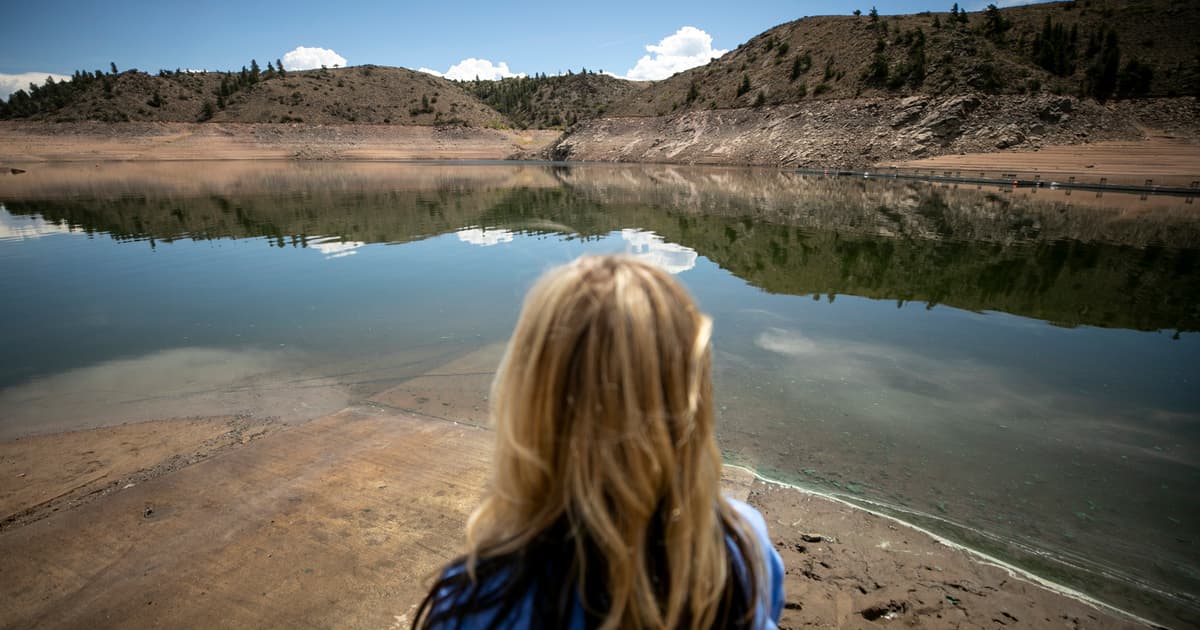
A global high-resolution study found groundwater recovery from drought varies by climate, geology and landscape, classifying 57% of locations as resilient, 26% as unstable and 15% as vulnerable. In Northern Colorado, construction is underway on a 30-mile pipeline to store water underground in wet years and supply communities during drought. Manitoba Hydro reported a $446-million loss in 2025-26 after a fourth low-water year in five cut hydro generation by 23%, increased power purchases and reduced export revenue; debt reached $26.55 billion, although spring inflows improved. North Texas was forecast to receive repeated heavy rain, with possible totals of 3–8 inches or more and a significant flash-flood threat after drought conditions. In India, officials in drought-hit Ghataprabha were told to conserve reservoir water, prioritize drinking needs for people and livestock, prevent canal leakage and distribute water fairly to farmers; earlier concerns included low Cauvery basin storage and instructions in Bagalkot to prioritize drinking water and equitably allocate irrigation. In England, summer heat and scant rainfall reduced reservoir storage by 16% in July, prompting water-use restrictions for millions and limits on some farm irrigation.
Key Points
1
The groundwater research used a 1-kilometer-resolution model and was described as the first global study of groundwater drought recovery based on high-resolution simulations; its findings could help identify regions at risk of crossing critical thresholds.
2
The Northern Colorado project’s aquifer is described as more than 50 times the size of Blue Mesa Reservoir, and underground storage can reduce water lost to evaporation compared with a surface reservoir.
3
Manitoba Hydro attributed $52.2 million in costs to the province’s severe wildfire season, including infrastructure repairs and replacement, contractor costs, overtime and employee travel.
4
In Ghataprabha, officials were told to brief local MLAs regularly on water availability, irrigation arrangements and power supply; they were also directed to address unauthorized electricity use and water pumping along canals.
Sentiment
Mostly NegativeNEGATIVENEUTRALPOSITIVE
Publishers
22
Articles
7
Reach
29
Topics
A
AnonymousAuthor


