Shrinking Global Water Reserves
World Meteorological Organization Warns That Global Freshwater Reserves Are Shrinking Rapidly
Anonymous
Key Points
1
The WMO reported that 42% of the planet’s freshwater stores—including rivers, lakes, groundwater, snow and ice—fell below historical norms in 2025.
2
2025 marked the seventh consecutive year in which rivers with historically normal flows were in a clear minority, which WMO Secretary-General Celeste Saulo called “a persistent decade-long signal,” rather than a single bad year.
3
The WMO estimated that glaciers lost about 408 gigatonnes of ice in 2025; cumulative losses from 2023 through 2025 reached roughly 1,400 gigatonnes, equivalent to about 560 million Olympic-sized swimming pools.
4
Vietnam receives about 60% of its average annual water volume from outside its borders, while the country’s roughly 96,500 water-exploitation and utilization projects collectively demand about 117 billion cubic meters of water per year.
5
The Great Lakes-St. Lawrence River Basin Compact generally prohibits new diversions of Great Lakes water outside the basin. Waukesha, Wisconsin, is the only community to have passed the Compact Council’s full review, receiving approval in 2016 to draw up to 8.2 million gallons of Lake Michigan water daily beginning in 2023, provided all of it is treated and returned to the basin.
The world's freshwater supplies are shrinking at an alarming rate, according to the World Meteorological Organization. In 2025, 42% of the planet's freshwater stores—rivers, lakes, groundwater, snow, and ice—fell below historical norms WMO Report. This marks the seventh straight year when rivers failed to flow at their historical normal levels, signaling what WMO Secretary-General Celeste Saulo called "a persistent decade-long signal" rather than a one-time event.
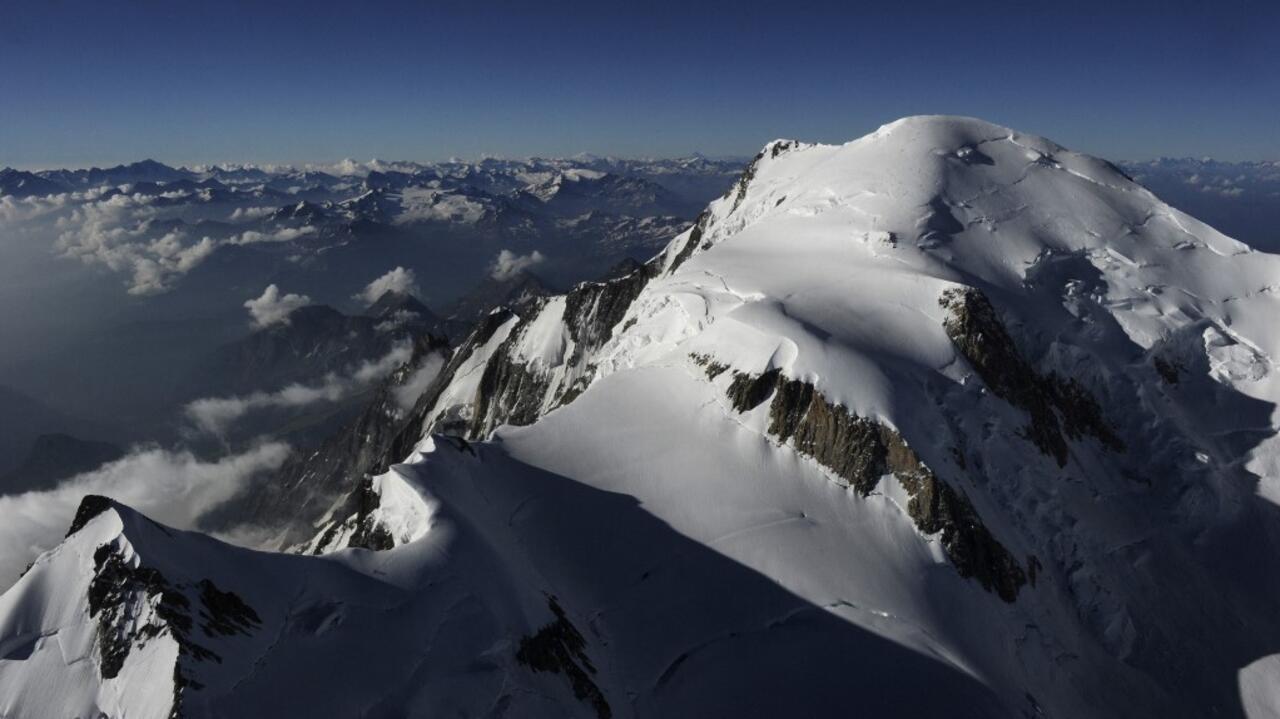
Glaciers are melting fast. In 2025 alone, glaciers lost about 408 gigatonnes of ice WMO Report. From 2023 to 2025, that adds up to roughly 1,400 gigatonnes—equivalent to about 560 million Olympic-sized swimming pools. The decline threatens water supplies worldwide and will worsen droughts, floods, and sea-level rise.
Groundwater and Snow Reserves Hit Critical Lows
Below the surface, the picture is equally dire. Terrestrial water storage has been declining for roughly a decade WCAX. Nearly two-thirds of monitored groundwater wells worldwide are now outside normal ranges, meaning they are either too full or too empty for their region WCAX. This underground water is crucial for drinking, farming, and industry during dry seasons.
Vietnam Faces Mounting Water Stress From Changing Patterns
Southeast Asia is feeling the squeeze. Vietnam receives about 60% of its average annual water volume from outside its borders Key Points, making it vulnerable to upstream changes. The country's roughly 96,500 water-exploitation projects demand about 117 billion cubic meters of water annually Key Points. El Niño conditions are worsening the crisis, with river flows in major basins well below average and saltwater creeping inland earlier and deeper than normal.
Climate Change Fuels the Global Water Cycle Breakdown
The WMO attributes the worsening instability partly to climate change driven by fossil-fuel pollution RFI. Rising temperatures accelerate glacier melt and alter precipitation patterns, making rain and snow less predictable. The organization is calling for emissions cuts and better water monitoring to prepare for future shocks. Some recovery has appeared in South America, and parts of Africa maintain higher water levels, but these bright spots do not offset global declines RFI.
Why Abundant Water Does Not Guarantee Water Security
The Great Lakes basin contains enormous freshwater reserves, yet strict rules limit how much water can leave the region. The Great Lakes-St. Lawrence River Basin Compact generally prohibits new diversions of Great Lakes water outside the basin Key Points. Waukesha, Wisconsin, is the only community approved to draw Great Lakes water under the Compact, receiving permission in 2016 to take up to 8.2 million gallons from Lake Michigan daily, provided all water is treated and returned Key Points. This case shows that having abundant water does not eliminate local supply, environmental, and governance risks.
Sentiment
Mostly NegativeNEGATIVENEUTRALPOSITIVE
Publishers
16
Articles
18
Reach
34
A
AnonymousAuthor