147 Coal Mines Auctioned, ₹47,500 Crore Revenue Expected
147 Coal Mines Auctioned, ₹47,500 Crore Revenue Expected
Anonymous
Key Points
1
The commercial auction system was introduced after the Supreme Court cancelled 204 coal-block allocations in 2014, with the government describing the subsequent framework as a shift to transparent, rules-based allocation. Prime Minister Narendra Modi launched the commercial coal auctions on June 18, 2020.
2
Combined production from captive and commercial mines crossed 200 million tonnes for the first time in FY 2025-26; compared with 28.8 million tonnes a decade earlier, this represents a compound annual growth rate of about 22%.
3
The ministry said the revenue-sharing model has nearly tripled states’ coal-related revenue over the past decade, with District Mineral Foundation funds being routed back to mining districts through the Pradhan Mantri Khanij Kshetra Kalyan Yojana and NMET payments supporting future exploration.
4
The Mines and Minerals (Development and Regulation) Amendment Act 2026 established a uniform fiscal framework and bars states from imposing additional taxes on mineral rights or mineral-bearing land except under conditions specified by the central government.
5
The Coal Ministry called the reform “one of the most consequential structural reforms in the mining sector,” saying its benefits were being shared across industry, the exchequer and coal-bearing communities.
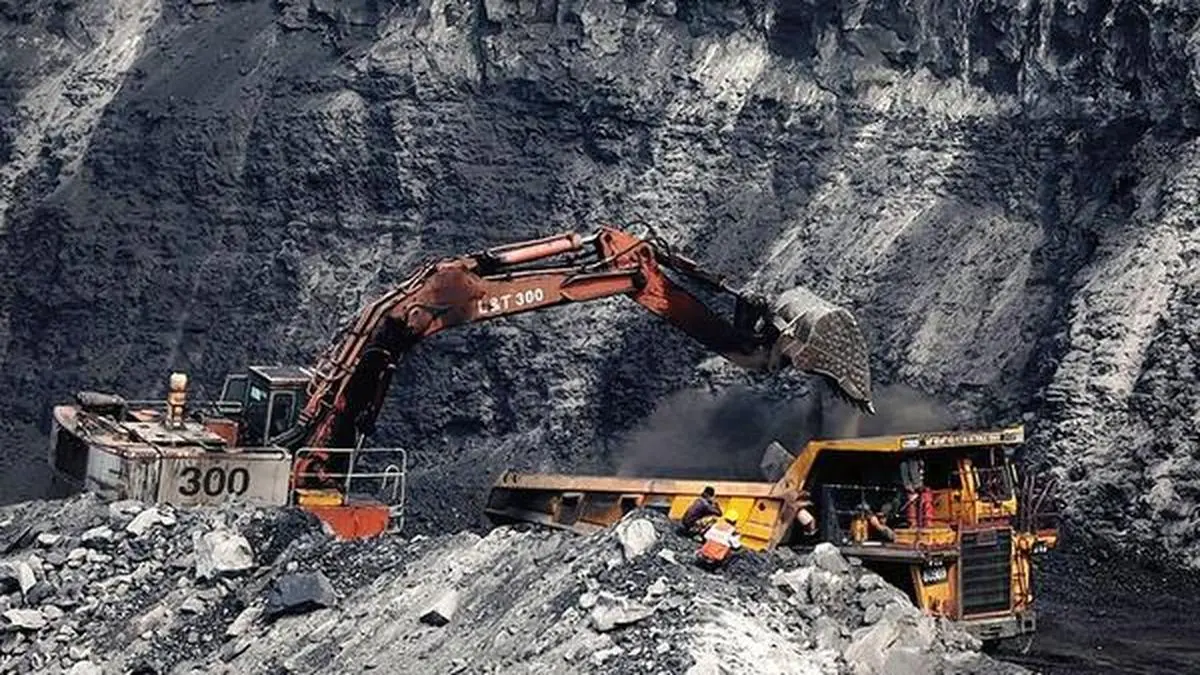
India has auctioned 147 commercial coal mines since 2020, drawing 44 new companies into the sector and setting the stage for massive revenue and jobs. The mines are expected to generate ₹47,500 crore in annual revenue, attract ₹55,000 crore in capital investment, and create roughly 490,000 jobs, according to Coal Ministry. Production from these commercial and captive mines jumped to 210 million tonnes in fiscal 2025-26, nearly tripling output from a decade earlier.
The auction system replaced a corruption-plagued allocation method after India's Supreme Court scrapped 204 coal blocks in 2014. Prime Minister Narendra Modi launched the transparent bidding framework on June 18, 2020, opening coal mining to private and foreign investors without restrictions on how they use the fuel. The government has already collected ₹3,090 crore in upfront payments and premiums while boosting state revenues through royalties and taxes.
How India Overhauled Coal Allocation After Supreme Court Cancellation
In 2014, India's Supreme Court struck down 204 coal-block allocations, declaring the old system corrupt and non-transparent. This decision gutted the captive coal system where blocks were locked to specific power plants or steel mills. Coal Ministry officials say the 2020 commercial auction framework represents a complete rebuild: no end-use restrictions, 100% foreign investment allowed, and online competitive bidding through the MSTC platform with live document transparency.
Commercial Mine Production Tripled in Just Two Years
Commercial coal mines produced only 12.55 million tonnes in fiscal 2023-24. By the next year, output nearly doubled to 23.51 million tonnes, according to Coal Ministry data. When combined with captive mines, total production reached 210 million tonnes in fiscal 2025-26. This 22% annual growth rate over the past decade—starting from just 28.8 million tonnes ten years ago—shows how fast private entry has scaled domestic coal output.
States Nearly Tripled Coal Revenue Through New Tax Framework
Coal-bearing states are receiving far more money under the new auction model. Coal Ministry says state coal revenues have nearly tripled over the past decade through a mix of revenue sharing, royalties, District Mineral Foundation funds, and GST collections. These District Mineral Foundation payments are routed back to mining communities through the Pradhan Mantri Khanij Kshetra Kalyan Yojana program. The new Mines and Minerals Amendment Act 2026 bars states from imposing extra taxes on mineral rights without central government approval, creating a uniform fiscal framework across all mining regions.
Ministry Launches 16th Auction Round With 25 More Blocks
On September 17, 2026, Economic Times reported that India's Coal Ministry launched the 16th round of commercial auctions, offering 25 additional coal blocks across Odisha, Maharashtra, Jharkhand, and Chhattisgarh. The blocks include 21 fully explored mines and 4 partially explored sites. ANI News said six mines in the offering are projected to generate ₹1,984 crore annually. Satish Chandra Dubey, the Minister of State for Coal and Mines, emphasized that coal remains critical to India's energy mix, accounting for roughly 55% of primary energy supply and over 70% of electricity generation.
Sentiment
Mostly PositiveNEGATIVENEUTRALPOSITIVE
Publishers
26
Articles
9
Reach
35
A
AnonymousAuthor


