India's Offshore Energy Drive
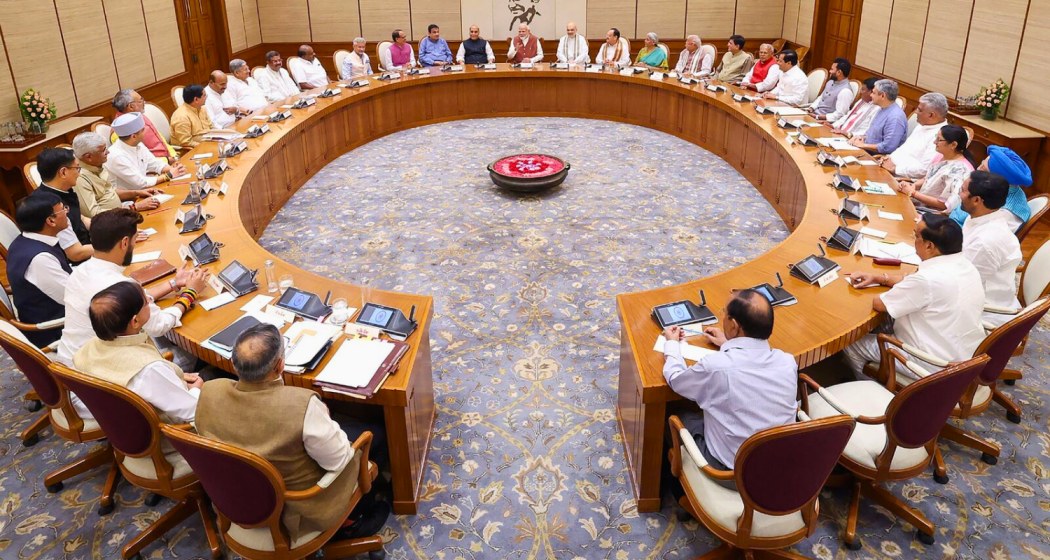
India's Cabinet approves Rs 84,084 crore Samudra Manthan offshore exploration scheme
Anonymous
Key Points
1
Frontier basins in India suffer from subsurface data scarcity, lacking dense seismic coverage needed to de-risk targets for private capital, with basins such as Krishna-Godavari, Mumbai Offshore, Cauvery, and Andaman deepwater showing meaningful prospectivity but sparse drilling.
2
The Samudra Manthan plan emphasises shared offshore production and evacuation infrastructure as a critical enabler, addressing the high costs and logistical hurdles that have historically hampered deepwater exploitation.
3
India’s approach is informed by global frontier-basin strategies used in Brazil, Norway, and the Gulf of Mexico, which relied on state-backed seismic programmes and shared infrastructure to unlock offshore resources.
4
Despite the geological potential, India has historically drilled far fewer exploration wells across its frontier basins compared with peer frontier markets, underscoring the need for a high-intensity, data-driven scheme like Samudra Manthan.
India's Union Cabinet has approved a massive Rs 84,084-crore offshore exploration scheme called Samudra Manthan, according to NDTV Profit. The plan targets oil and gas reserves across India's 2.37 million square kilometre exclusive economic zone and aims to cut the country's heavy dependence on imported crude.
The scheme covers seismic data gathering, deepwater drilling, and shared offshore infrastructure. Officials project it will unlock more than 600 million metric tonnes of oil equivalent in new reserves, per Discovery Alert.
What the Rs 84,084-Crore Plan Actually Funds
Samudra Manthan is not a single drilling project. It is a broad programme with four main pillars: seismic data acquisition, deepwater drilling, frontier-basin scientific drilling, and shared production and evacuation infrastructure. The Cabinet approved it in July 2026, according to NDTV Profit.
The plan also includes digital project management tools, workforce training, and an integrated Oil and Gas Manufacturing and Services Zone. That zone is designed to support local suppliers and build India's own offshore industry, in line with the Make in India and Atmanirbhar Bharat goals, per Discovery Alert.
India's Frontier Basins Are Data-Starved and Under-Drilled
The core problem Samudra Manthan tries to solve is a lack of subsurface data. Basins such as Krishna-Godavari, Mumbai Offshore, Cauvery, and the Andaman deepwater show real geological promise. But they have sparse seismic coverage and very few exploration wells, according to Discovery Alert.
Without dense seismic maps, private investors cannot assess the risk of drilling. India has drilled far fewer exploration wells in frontier zones than peer markets like Brazil or Norway. That gap has kept billions of dollars in potential reserves untouched for decades.
Shared Infrastructure Is the Key to Unlocking Deepwater
Deepwater drilling is expensive. A single well can cost hundreds of millions of dollars. Shared production pipelines and evacuation systems lower that cost for every company using them. Samudra Manthan puts shared offshore infrastructure at the centre of its strategy, NDTV Profit reported.
India is borrowing from proven global models. Brazil, Norway, and the Gulf of Mexico all used state-backed seismic programmes and shared infrastructure to open up their offshore sectors. Those efforts turned frontier zones into major producing regions over two to three decades, per Discovery Alert.
Energy Security and Jobs Drive the Push Offshore
India imports roughly 85 percent of its crude oil. Global energy shocks and rising geopolitical tensions have made that dependence a strategic risk. Samudra Manthan is framed as a direct answer to that vulnerability, according to My India.
Beyond reserves, the government says the scheme will generate jobs and draw investment across the full exploration and production value chain. The 600-plus MMTOE reserve target, if reached, would mark a major shift in India's domestic output and reduce its import bill by a meaningful margin, per NDTV Profit.
Sentiment
Mostly PositiveNEGATIVENEUTRALPOSITIVE
Publishers
14
Articles
5
Reach
19
A
AnonymousAuthor


