Trump Weighs Iran Strikes
Trump Considers Resuming Large-Scale Military Attacks Against Iran Amid Regional Tensions
Anonymous
Key Points
1
Current President Donald Trump said he was weighing whether to “go in and annihilate them [the Iranian regime] or do I not,” describing the choice as a major decision in an interview with Israeli journalist Barak Ravid.
2
Trump and Defense Secretary Pete Hegseth have ordered U.S. force levels in the Middle East maintained through the end of the year, preserving the option of returning to full-scale combat even as U.S. officials warn the posture is increasingly difficult to sustain.
3
The White House is developing an early-stage postwar strategy focused on a regional effort to “contain Iran and expand normalization between Israel and its neighbors”; the plan could be shaped by Israel’s October 27 election and the U.S. midterm elections.
4
A Pentagon inspector general report found that Iranian strikes damaged or destroyed hundreds of buildings and structures at U.S. bases across Kuwait, Bahrain, Qatar, the UAE, Saudi Arabia, Iraq, Oman and Jordan. ABC News, citing the Defense Department, reported 18 U.S. service members killed and 824 wounded since the war began, including six soldiers killed at Kuwait’s Port Shuaiba.
5
Iranian President Masoud Pezeshkian said Tehran was ready to resolve differences with neighboring countries through dialogue and mutual respect, while Iran planned talks with the Gulf Cooperation Council in Oman on security in the Persian Gulf and the Strait of Hormuz.
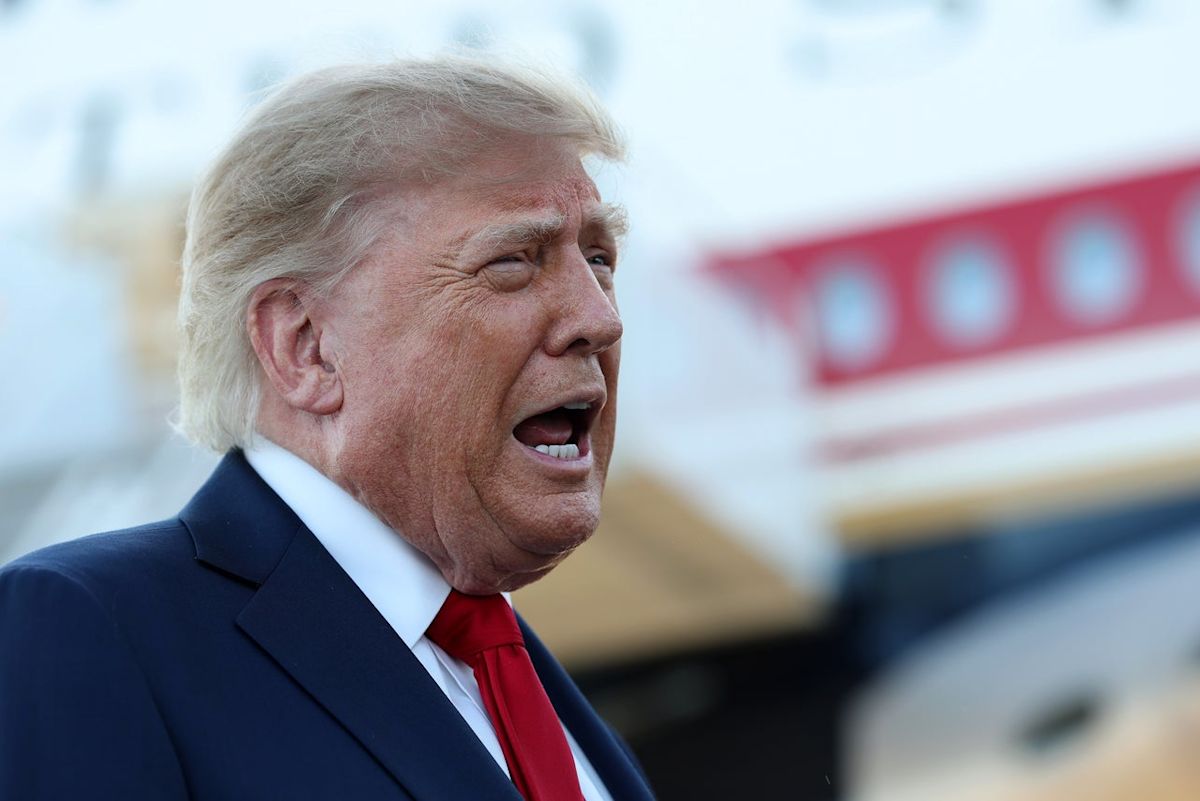
President Donald Trump said he is weighing whether to launch new large-scale attacks on Iran, including potentially targeting the Iranian regime itself. Yahoo News reported that Trump described the choice as a major decision, asking: "Do I want to go in and annihilate them or do I not?" He plans to consult regional leaders from Saudi Arabia, the UAE, Qatar, and other Gulf states at a September 22 meeting before deciding whether to escalate militarily or pursue renewed diplomacy.
The Trump administration has kept U.S. military forces in the Middle East at high levels through the end of the year, preserving the option for renewed combat. NY Post reported that Trump acknowledged a major decision was coming, though he has not said whether it will happen before or after November's midterm elections. The move follows months of fighting that have killed 18 American service members and wounded 824 others across bases in Kuwait, Bahrain, Qatar, and beyond.
The Hard Choice: Escalation or Diplomacy
Trump faces a stark choice between two paths forward. Western Journal reported that the president stated "anything could happen" as the conflict nears its end, signaling uncertainty about his next move. Defense Secretary Pete Hegseth has backed maintaining current force levels, keeping military options alive even as officials acknowledge the posture is increasingly costly to sustain long-term.
Iranian President Masoud Pezeshkian has offered an opening for talks. He said Tehran was ready to resolve differences with neighboring countries through dialogue and mutual respect. Iran has also planned talks with the Gulf Cooperation Council in Oman focused on security in the Persian Gulf and the Strait of Hormuz, signaling willingness to negotiate rather than escalate further.
Heavy Toll From Months of Sustained Conflict
The war has inflicted significant damage on American military infrastructure across the region. A Pentagon inspector general report found that Iranian strikes damaged or destroyed hundreds of buildings and structures at U.S. bases spanning Kuwait, Bahrain, Qatar, the UAE, Saudi Arabia, Iraq, Oman, and Jordan. Six soldiers were killed alone at Kuwait's Port Shuaiba, with casualties continuing to mount across multiple locations.
The human cost extends beyond combat deaths. NY Post cited Defense Department figures showing 824 U.S. service members wounded since fighting began. These numbers reflect the intensity of Iranian retaliation and underscore why administration officials warn that maintaining high force levels indefinitely is not sustainable without a clear strategic direction.
Regional Allies Push for Caution Over Full Escalation
Saudi Arabia and Qatar have previously urged restraint, citing fears that renewed U.S. attacks could trigger Iranian retaliation against regional energy infrastructure. Their concerns highlight a central tension: while these Gulf states support containing Iran, they also depend on stable oil and gas production and fear destabilization from a wider war.
Iran has warned that any U.S. miscalculation would draw a forceful response. Mezha.net reported that Trump is considering direct military intervention while the administration simultaneously develops a postwar strategy focused on containing Iran and expanding Israeli-Arab normalization. How these conflicting priorities are resolved will shape whether Trump escalates, negotiates, or holds the current posture through the fall elections.
Sentiment
Mostly NegativeNEGATIVENEUTRALPOSITIVE
Publishers
24
Articles
35
Reach
59
A
AnonymousAuthor


