Gulf War Endgame Talks
Trump Plans Gulf Talks With Regional Leaders Amid Ongoing U.S.-Iran Conflict
Anonymous
Key Points
1
Trump’s planned meeting with Gulf Cooperation Council leaders is expected to take place next Tuesday alongside the U.N. General Assembly in New York, and the administration’s “day-after” plan may not be finalized until after the U.S. midterm elections.
2
Saudi Crown Prince Mohammed bin Salman sought direct U.S. military support against the Houthis, but Trump declined to launch strikes and instead offered intelligence assistance.
3
Saudi Arabia has recently signed a defense pact with Turkey and Pakistan and has already been designated a major non-NATO ally by the United States, raising questions about whether those relationships could pull additional countries into the conflict.
4
Iranian Foreign Minister Abbas Araghchi said Tehran still considers the U.S.-Iran Memorandum of Understanding in force and claimed Iran had reached an agreement with Oman on arrangements to reopen the Strait of Hormuz.
5
Reuters reported that Iran’s Islamic Revolutionary Guard Corps directly guided the Houthis’ advance along Yemen’s Red Sea coast and promised the group additional funding and weapons, according to the report cited by NHK.
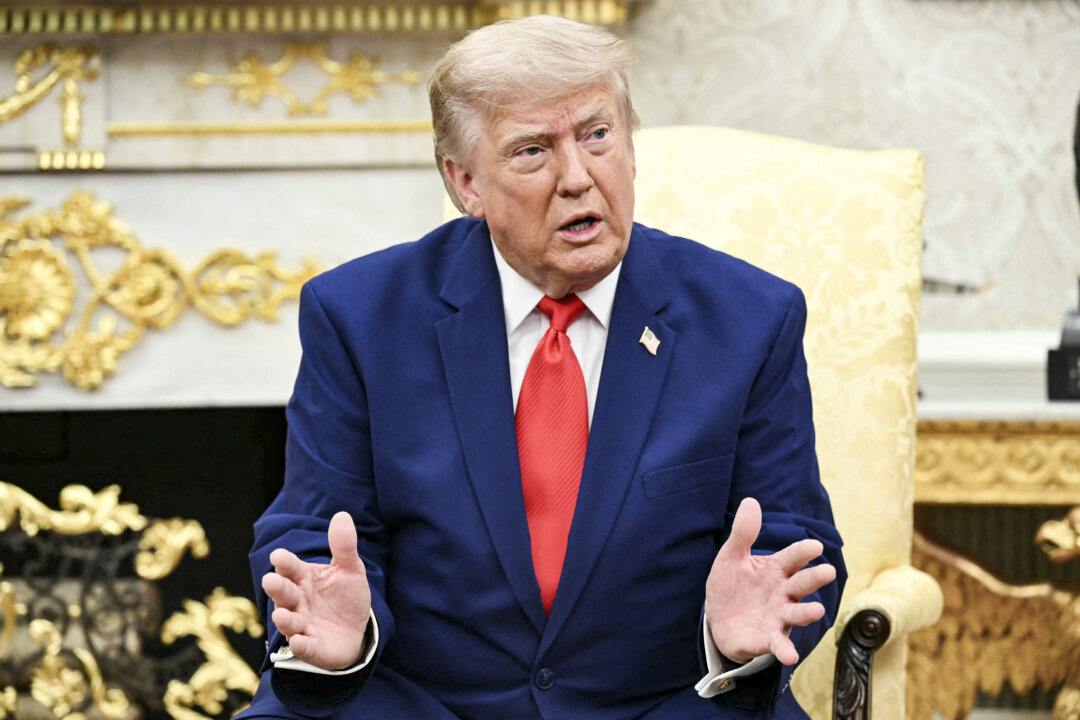
President Trump plans to meet with Gulf Cooperation Council leaders next Tuesday in New York to discuss how the nearly seven-month U.S.-Iran war might end. The talks come as Iran-backed Houthi forces advance along Yemen's Red Sea coast, threatening critical shipping lanes and Saudi Arabia's oil infrastructure, while disagreements over peace terms keep negotiations stalled.
Iran's government sends mixed signals: Foreign Minister Abbas Araghchi said Tehran is willing to negotiate, but Iran's Supreme National Security Council rejected talks unless the U.S. stops military operations, lifts its blockade, unfreezes $24 billion in frozen assets, and pays reparations.
Trump Declines Saudi Request for Direct Military Strikes
Saudi Crown Prince Mohammed bin Salman asked the U.S. to launch direct strikes against Houthi forces along the Red Sea. Trump rejected the request but offered intelligence sharing instead. The Houthis have already attacked Saudi oil infrastructure, forcing the closure of Saudi Arabia's East-West crude pipeline.
Iran-Backed Houthis Tighten Grip on Red Sea Shipping
Iran's Islamic Revolutionary Guard Corps directly guides and funds Houthi operations in Yemen, according to Reuters. The Houthi advance threatens the Bab el-Mandeb Strait, one of the world's most critical shipping chokepoints. Combined with disruptions around the Strait of Hormuz, these blockades threaten global energy supplies and maritime trade.
Saudi Arabia Expands Regional Defense Partnerships
Saudi Arabia recently signed a mutual defense pact with Turkey and Pakistan to counter threats in the region. The kingdom is already designated a Major Non-NATO Ally by the U.S. The expanding alliance raises questions about whether Turkey and Pakistan could be drawn into broader conflict if attacks on Saudi infrastructure continue.
The GCC Secretariat strongly condemned Iranian aggression against Gulf shipping and infrastructure, calling it a violation of international law.
China Calls for Talks While Trump Remains Optimistic
China's Foreign Ministry urged both Washington and Tehran to practice military restraint and return to negotiations without conditions. Trump said Iran wants to make a deal, expressing hope the war is nearing its end. However, Iran's hardliners dispute this, and the Trump administration's final postwar plan may not be settled until after U.S. midterm elections.
Sentiment
Mostly NegativeNEGATIVENEUTRALPOSITIVE
Publishers
52
Articles
115
Reach
167
A
AnonymousAuthor


