U.S. Traffic Safety
New Crash Data Highlights Traffic Safety Risks Across Multiple U.S. Cities
Anonymous
Key Points
1
Michigan intersections account for nearly one-third of all vehicle crashes in the state and about 30% of fatal crashes, according to the analysis.
2
The Michigan report counted crashes occurring within 200 feet of an intersection, including incidents near freeway ramps, service roads, divided highways and rural roads.
3
Tucson’s highest-crash locations included Nogales Highway and Valencia and Golf Links and Craycroft, with 23 crashes each; officials also said left turns were involved in about 30% of the city’s reported crashes last year.
4
Los Angeles advocate Damian Kevitt said the city is failing to prioritize active-transportation projects and equitable traffic enforcement, arguing that an emergency declaration could improve coordination of resources to address traffic violence.
5
In Tucson, flashing yellow left-turn arrows have been associated with a 15% to 60% reduction in intersection crashes, while some intersections that shifted from green-arrow-only turns saw crashes fall by 85%.
A fresh wave of crash data reveals dangerous patterns across U.S. roads, with intersections emerging as the deadliest zones. Michigan Auto Law found that nearly all of the state's 20 most crash-prone intersections sit in Southeast Michigan, while Tucson officials reported more than 5,000 crashes last year. In Los Angeles, fatal collisions jumped 8% year over year, prompting advocates to push Mayor Karen Bass for an emergency declaration on traffic violence.
Red-light running, failure to yield, speeding, and distraction top the list of crash causes. Traffic safety researchers say roundabouts account for four of Michigan's six most dangerous intersections, while smart signals and flashing arrows show promise in reducing collisions by up to 85% in some locations.
Michigan's Intersection Crisis in Southeast Region
Michigan intersections account for nearly one-third of all vehicle crashes in the state and roughly 30% of fatal crashes, according to Michigan Auto Law's 2025 analysis. The analysis counted crashes within 200 feet of an intersection, including near freeway ramps, service roads, and rural highways. Four of the six deadliest locations are roundabouts, where drivers frequently fail to yield or turn improperly.
Common crash causes include red-light violations, improper turns, speeding, distraction, and impaired driving. Fox 2 Detroit reported that nearly all 20 most dangerous intersections cluster in Southeast Michigan, suggesting concentrated infrastructure or enforcement gaps in the region.
Tucson's Battle Against Intersection Crashes
Tucson recorded more than 5,000 crashes last year, with nearly 75% happening at or near intersections. Tucson transportation officials identified Nogales Highway and Valencia as the city's hottest spot, along with Golf Links and Craycroft, each logging 23 crashes. Left turns were involved in about 30% of the city's total crashes.
The city is rolling out flashing yellow left-turn arrows and smart signals powered by cameras to reduce collisions. Traffic engineers report that flashing yellow arrows cut intersection crashes by 15% to 60%, while some intersections that switched from green-arrow-only signals saw crashes plummet by 85%.
Los Angeles Pushes Emergency Declaration on Traffic Deaths
Fatal collisions in Los Angeles climbed 8% year over year through August, sparking calls for action. Advocates and families of crash victims are urging Mayor Karen Bass to declare a traffic-violence emergency to unlock faster coordination and resources. Damian Kevitt, a prominent advocate, says the city is failing to prioritize active-transportation projects and fair traffic enforcement.
An emergency declaration could reshape how the city allocates resources and coordinates efforts across departments. Traffic safety advocates argue that treating traffic deaths with the same urgency as other public-health crises could save lives in the nation's second-largest city.
Major Delays on Interstate 75 Near Ohio Town
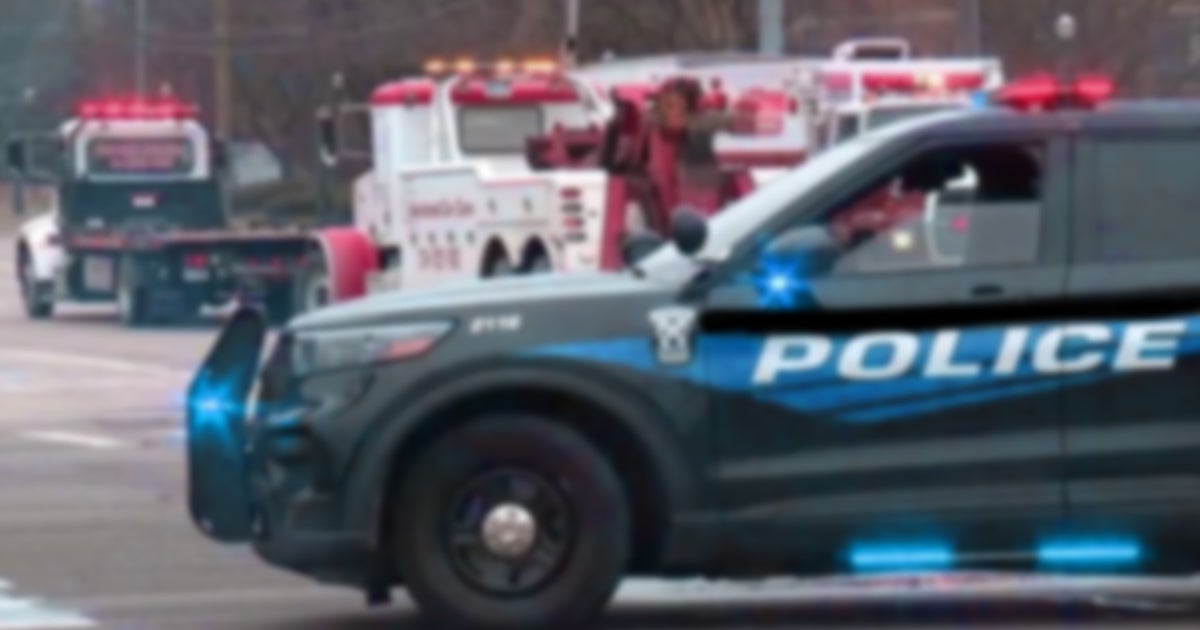
Multiple crashes on southbound I-75 near Miamisburg, Ohio, caused significant traffic delays before conditions returned to normal. Local authorities had not reported any injuries from the incidents. The crashes underscore how even minor collisions can cascade into major traffic disruptions on busy corridors.
Sentiment
Mostly NegativeNEGATIVENEUTRALPOSITIVE
Publishers
18
Articles
6
Reach
24
A
AnonymousAuthor


