Rare Venomous Sea Snake Washes Ashore in California
Rare Venomous Sea Snake Washes Ashore in California
Anonymous
Key Points
1
The snake was filmed at night, and the family used the base of a palm frond to try to nudge or move it back into the ocean before realizing what it was. Jackie Aguilar later said, “What? A venomous sea snake on the beach!”
2
Reptile expert Greg Pauly said the timing was especially unusual because previous California strandings generally occurred after falling water temperatures left the snakes sick and lethargic. He is trying to contact the witnesses to obtain more video and verify the identification.
3
Hayley Crowell of San Diego State University said the snakes can be carried off course by currents while hunting fish in open water and may not recognize they are far from their normal range if temperatures remain suitable. She described them as “floating noodles who got lost.”
4
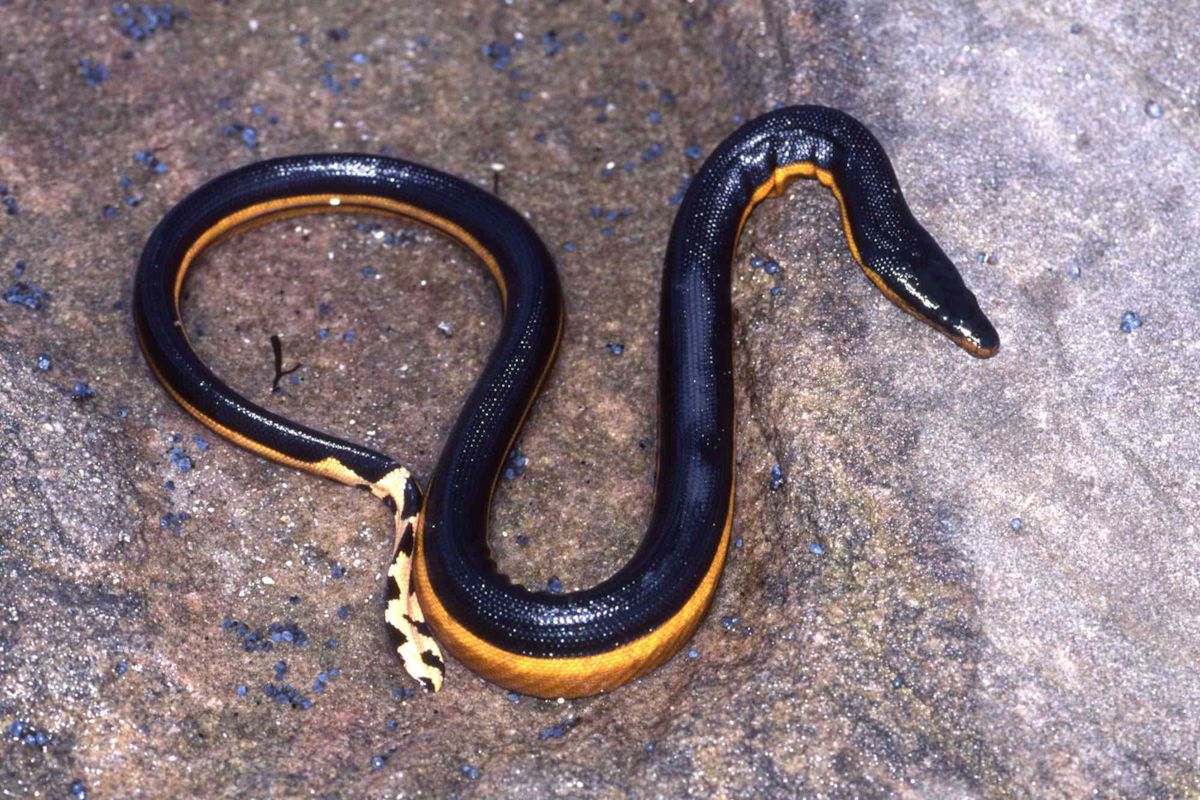
The animal’s possible identification remains unofficial: certified marine naturalist Chad Steffen said it strongly resembles a yellow-bellied sea snake, or Hydrophis platurus, but officials have not formally confirmed the species.
5
Experts say the snake’s small mouth and short fangs make it difficult for it to bite a person unless it is directly picked up or handled; the Los Angeles Times reported that no one has died from a bite from this species.
A yellow-bellied sea snake washed ashore at Crystal Cove State Beach in Orange County, marking the first confirmed sighting of this rare venomous species in California since 2018. Yahoo News reported that Jackie Aguilar and her family initially tried to nudge the sluggish snake back into the ocean using a palm frond before realizing what they had encountered. The snake's venom is potent enough to kill a person, but experts say the species is generally nonaggressive and poses little danger unless directly handled.
Marine experts believe unusually warm ocean waters may have carried the tropical snake farther north than usual. The sighting would be only the seventh confirmed yellow-bellied sea snake observation in California since 1972, according to Patch, highlighting how rare and significant this discovery is for the state's marine wildlife monitoring.
A Family's Unexpected Beach Encounter
Jackie Aguilar was walking along Crystal Cove State Beach when she spotted what appeared to be a sluggish animal in the sand. Her family used the base of a palm frond to gently nudge it toward the water. "What? A venomous sea snake on the beach!" Aguilar said upon learning what the creature actually was. People Magazine documented the family's close encounter with the rare reptile.
The snake was filmed at night, and video of the encounter circulated widely after experts flagged the possible identification. Reptile expert Greg Pauly said the sighting was unusual because it occurred while the snake appeared active and healthy—not the sick, lethargic state typical of previous California strandings. Pauly is attempting to contact the witnesses for more footage to verify the species identification officially.
Why Tropical Snakes Are Appearing in Cooler Waters
Yellow-bellied sea snakes normally inhabit warm tropical waters thousands of miles from California. Hayley Crowell of San Diego State University explained that strong ocean currents can carry these snakes off course while they hunt fish in open water. "They're floating noodles who got lost," she said, describing how the snakes may not recognize they have drifted far from their normal range if temperatures remain suitable for survival.
Ocean temperatures along the California coast have been unusually warm in recent months, potentially creating a corridor for tropical species to travel northward. Marine naturalist Chad Steffen noted that previous sea snake strandings in California typically occurred after water temperatures dropped, leaving the animals sick and vulnerable. This sighting breaks that pattern entirely.
Venom is Potent, But Bites Remain Extremely Rare
Yellow-bellied sea snakes possess neurotoxic venom powerful enough to be fatal to humans. However, their small mouths and short fangs make it nearly impossible for them to bite a person unless the snake is directly picked up or handled. The Los Angeles Times reported that no fatalities from this species have been recorded in modern history.
Experts stress that beachgoers should not touch or approach stranded sea snakes under any circumstances. The snake's apparent sluggishness and nonaggressive behavior may make it seem harmless, but even a small handling accident could result in envenomation. If someone encounters a sea snake on a California beach, officials recommend contacting marine wildlife authorities immediately rather than attempting to move or interact with the animal.
Other Tropical Species Signal Changing Ocean Conditions
The yellow-bellied sea snake sighting is part of a broader pattern of unusual marine visitors along California's coast. Recent months have brought hammerhead shark sightings, a whale shark appearance, and a rare longfinned bigeye fish—all species typically found in warmer, more distant waters. These observations suggest that shifting ocean temperatures and currents are reshaping California's marine ecosystem in unexpected ways.
Sentiment
Mostly NegativeNEGATIVENEUTRALPOSITIVE
Publishers
17
Articles
16
Reach
33
A
AnonymousAuthor


