Unusual Humpback Whale Sightings
Humpback whales have been spotted in unusual California and New Zealand waterways, prompting wildlife warnings.
Anonymous
Key Points
1
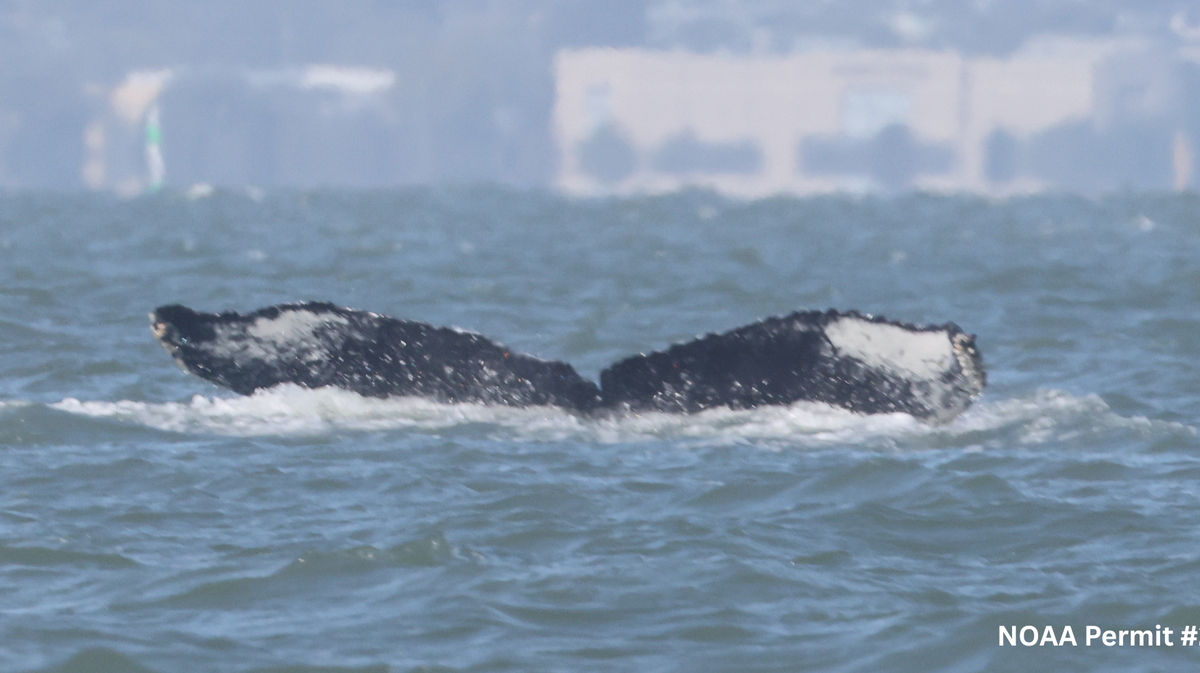
The Northern California whale was identified as CRC-11620 in Cascadia Research Collective’s photo-identification catalog. It has been documented 15 times over the past 24 years in waters off California and Mexico, with its most recent prior sighting reported in Baja California in February 2026.
2
The Rio Vista sighting is part of a history of humpbacks entering the Delta: Humphrey spent several weeks in the area in 1985, while a mother and calf named Delta and Dawn remained near Rio Vista for 20 days in 2007 before returning to the ocean.
3
In Tauranga Harbour, the whale remained near Tauranga Bridge Marina for only about 15 to 20 minutes before disappearing. A marina employee initially mistook it for an orca chasing a stingray, which is a more familiar sight in the harbor.
4
New Zealand’s Department of Conservation advised people who encounter whales to remain at least 50 metres away and report sightings through its hotline, 0800 DOC HOT. In California, officials similarly recommended staying at least 100 yards away and using binoculars or telephoto lenses rather than approaching.
A humpback whale identified as CRC-11620 traveled 60 miles inland into California's Sacramento River near Rio Vista, prompting wildlife officials to monitor its movements closely. ABC News reported the whale navigated through San Francisco Bay and the Carquinez Strait into the Sacramento-San Joaquin Delta, an unusual journey that raised questions about whether it was exploring or facing health problems.
Meanwhile, a second humpback briefly entered New Zealand's Tauranga Harbour, causing initial confusion when a marina employee mistook it for an orca. Both sightings highlight that while humpbacks can wander into coastal waterways, inland river travel and busy harbors pose serious risks to these marine mammals.
California Whale's 15-Year History in Western Waters
CRC-11620 belongs to the Cascadia Research Collective's photo-identification catalog and has been documented 15 times over 24 years in California and Mexican waters. KCRA noted the whale's most recent sighting before this inland journey was in Baja California in February 2026, suggesting it was migrating northward along the coast.
The Marine Mammal Center confirmed the adult's identity and monitored whether it would return to open ocean. Officials urged people to stay at least 100 yards away and use binoculars or telephoto lenses rather than approaching the animal.
Sacramento Delta's History of Visiting Humpbacks
CRC-11620 is not the first humpback to venture this far inland. Humphrey, a famous whale, spent several weeks in the Sacramento-San Joaquin Delta in 1985. Later, a mother and calf named Delta and Dawn remained near Rio Vista for 20 days in 2007 before returning to the ocean on their own.
These historical cases give officials some hope that CRC-11620 may naturally exit the delta. However, officials also acknowledged the whale could have an underlying health condition that prompted the unusual inland navigation, making close observation essential.
New Zealand Harbor Presents Narrow Escape Route
In Tauranga Harbour, a humpback spent only 15 to 20 minutes near Tauranga Bridge Marina before vanishing. A marina worker initially mistook it for an orca chasing prey, a more common sight in the harbor. The whale apparently managed to navigate the shallow banks and multiple channels without incident.
New Zealand's Department of Conservation warned that the harbor's heavy ship traffic and shallow waters pose significant dangers to whales. Officials advised people to maintain at least 50 metres distance and report sightings through the DOC hotline, 0800 DOC HOT.
Sentiment
Mostly NegativeNEGATIVENEUTRALPOSITIVE
Publishers
14
Articles
80
Reach
94
Topics
A
AnonymousAuthor