NATO Blocks Russian Cable Drill
NATO Allies Halt Russian Covert Cable Drill Near Norway Svalbard Archipelago
Anonymous
Key Points
1
The two fiber-optic cables linking Svalbard with mainland Norway are each about 1,400 kilometers long and lie as deep as 2,700 meters below the sea. They carry satellite data from SvalSat, described as the world’s largest satellite ground station and part of NASA’s Near Space Network.
2
The operation also underscored the strategic importance of the roughly 400-mile-wide Bear Gap between Svalbard and mainland Norway, a maritime route Russian nuclear submarines based on the Kola Peninsula would use to reach the Atlantic.
3
The cables are critical not only to internet connectivity but also to global financial transactions; Reuters’ account noted that subsea cables have been targeted in past conflicts, including the First and Second World Wars, when they carried orders by telegraph and telephone.
4
The officials said British and Norwegian representatives subsequently raised the findings with Moscow, while Norway’s Defence Minister Tore Sandvik cautioned that escalation in the High North was “in no one’s interest.”
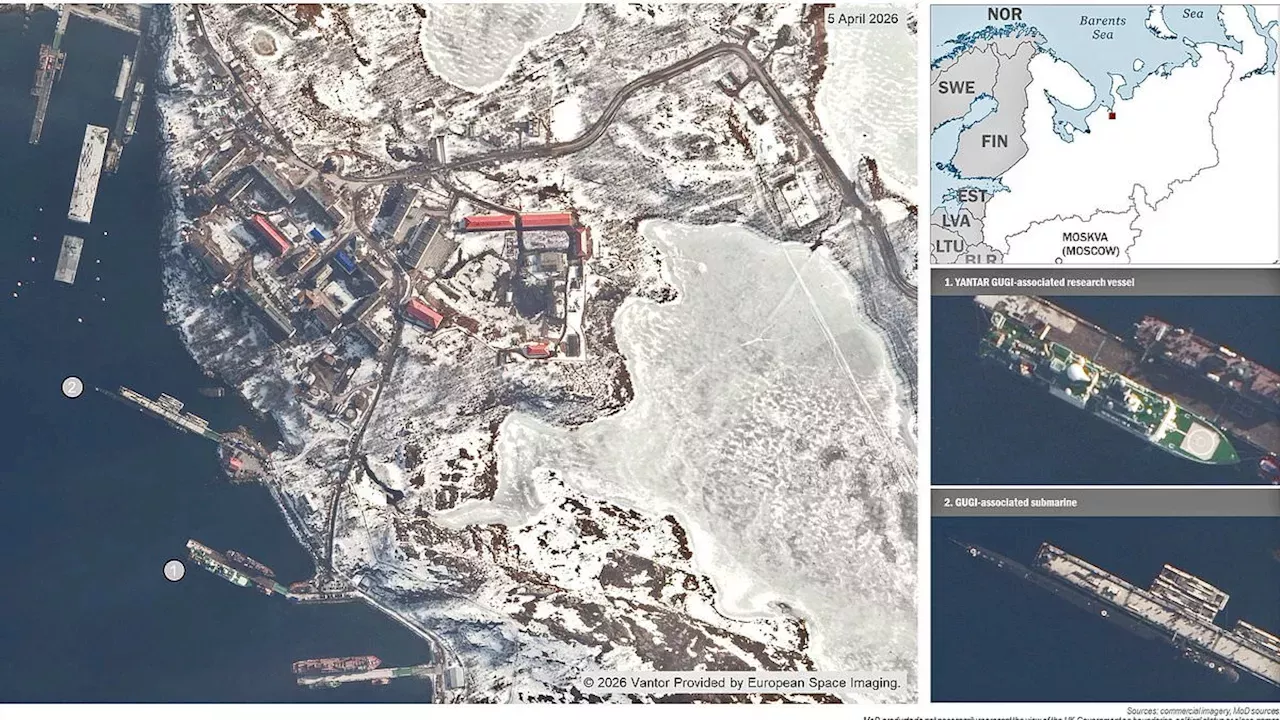
NATO allies disrupted a covert Russian military exercise near Svalbard this spring aimed at disabling undersea cables critical to global communications, according to Reuters and other Western officials. British, Norwegian, and American forces tracked Russian deep-sea vessels operated by Russia's Main Directorate of Deep-Sea Research, or GUGI, as they simulated deploying sabotage technology. The vessels left before completing the drill, and no cables were damaged.
The incident marks an escalation in Western concerns about Russian sabotage operations targeting Europe's infrastructure. Norway's defense minister said the joint response demonstrated that covert attacks on critical systems would be detected and face consequences. Moscow has denied conducting any sabotage operations.
Two Strategic Cables Link Arctic to the World
Two fiber-optic cables stretching roughly 1,400 kilometers each connect Svalbard to mainland Norway, lying as deep as 2,700 meters below the sea. Reuters reported that these cables carry vital satellite data from SvalSat, described as the world's largest satellite ground station and part of NASA's Near Space Network. The cables handle not just internet traffic but also critical global financial transactions.
Russia's Historic Interest in Cable Sabotage
Undersea cables have been military targets for over a century. Reuters noted that cables were attacked during both World Wars, when they carried telegraph and telephone orders between nations. The Svalbard cables represent modern equivalents—cutting them could cripple communications and financial systems across Europe and beyond.
The Bear Gap: A Submarine Passage to the Atlantic
The roughly 400-mile-wide Bear Gap between Svalbard and mainland Norway holds major strategic value. Russian nuclear submarines based on the Kola Peninsula use this maritime route to reach the Atlantic Ocean. The operation near Svalbard suggests Moscow is testing NATO's ability to detect and respond to threats in this critical chokepoint.
NATO's Show of Force and Warnings to Moscow
British and Norwegian officials raised their findings directly with Moscow following the incident. Norway's Defence Minister Tore Sandvik warned that further escalation in the High North was "in no one's interest." The coordinated NATO response—tracking the vessels and forcing them to abort—aimed to signal that covert infrastructure attacks would not go undetected or unpunished.
Sentiment
Mostly NegativeNEGATIVENEUTRALPOSITIVE
Publishers
18
Articles
55
Reach
73
Topics
A
AnonymousAuthor


