Harvard Research Grants Dispute
Federal Appeals Court Hears Arguments Over Harvard Research Funding Grants
Anonymous
Key Points
1
Nearly 900 Harvard Business School alumni joined a brief urging the appeals court to rule for Harvard; they were among nearly 11,000 Harvard graduates who backed the university.
2
The administration also argued that challenges to the grant terminations belonged in the Court of Federal Claims, which handles contract disputes but cannot provide forward-looking relief, according to Harvard’s alumni counsel.
3
Justice Department lawyer Michael Velchik argued that the government need not accept Harvard’s judgment about its response to antisemitism: “At a certain point we also get to decide what’s good enough for us.”
4
A separate Justice Department lawsuit accusing Harvard of failing to protect Jewish students was dismissed by a judge in August; that case had also sought to claw back federal funding.
5
Harvard refused the administration’s April 2025 demands, which included eliminating diversity, equity and inclusion offices, committees and policies and reforming international student recruitment, screening and admissions.
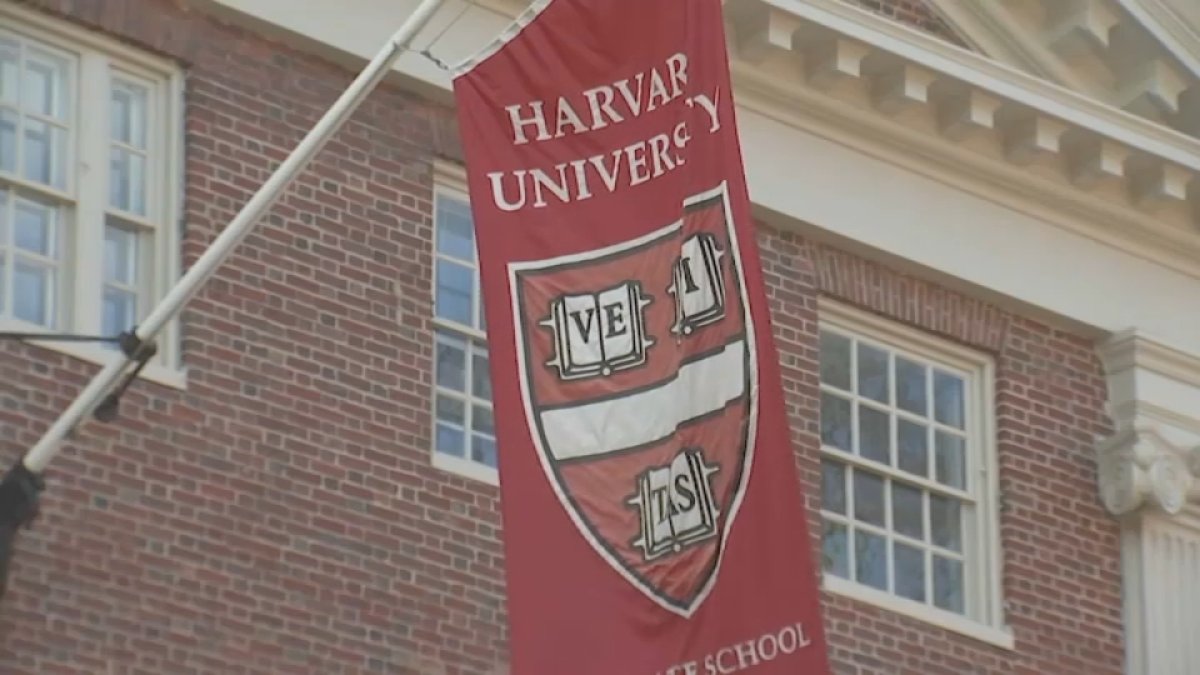
A federal appeals court in Boston heard arguments Wednesday over whether the Trump administration can withhold roughly $2.2 billion in research grants from Harvard University. Judge Sandra Lynch appeared skeptical of the government's position, questioning why no investigation preceded the funding cuts. The case hinges on whether the administration's demands—eliminating diversity programs and reforming admissions—constitute illegal retaliation for Harvard's handling of antisemitism.
Nearly 11,000 Harvard graduates, including 900 Business School alumni, filed briefs backing the university's fight to restore the funds. Justice Department lawyer Michael Velchik argued the government has final say over what counts as adequate response to campus antisemitism, saying: 'At a certain point we also get to decide what's good enough for us.' The lower court ruled the cuts retaliatory, but the appeals court must now decide if that judge had authority to order restoration.
The April Demands Harvard Refused
In April 2025, the Trump administration demanded Harvard eliminate all diversity, equity and inclusion offices, committees and related policies. The demands also required reforms to international student recruitment, screening and admissions practices. Harvard rejected these conditions outright, setting the stage for the legal battle now unfolding in federal court.
Judge Lynch Questions the Government's Approach
During oral arguments, Judge Sandra Lynch repeatedly pressed the Justice Department on why no formal investigation or findings preceded the grant terminations. Her questions signaled concern that the administration acted without adequate process or documentation of wrongdoing. This line of questioning mirrors the lower court's reasoning that the cuts were retaliatory rather than reasoned policy.
The Separate Lawsuit That Already Failed
The Justice Department filed a separate lawsuit in 2024 accusing Harvard of failing to protect Jewish students on campus. A federal judge dismissed that case in August, before the appeals court hearing this week. That lawsuit had also sought to claw back federal funding, but the dismissal left the administration relying solely on the grant termination as leverage against the university.
Where the Fight Goes From Here
The Trump administration argues that challenges to the grant cuts belong in the Court of Federal Claims, which handles government contract disputes. According to Harvard's counsel, that court cannot provide forward-looking relief—meaning it cannot order the government to restore future funding. The appeals court must decide which venue is proper and whether the lower court's order to restore the grants can stand.
Sentiment
Mostly NegativeNEGATIVENEUTRALPOSITIVE
Publishers
12
Articles
176
Reach
188
Topics
A
AnonymousAuthor


