Yemen Military Escalation
Military escalation in Yemen raises concerns for regional stability and global energy sectors.
Anonymous
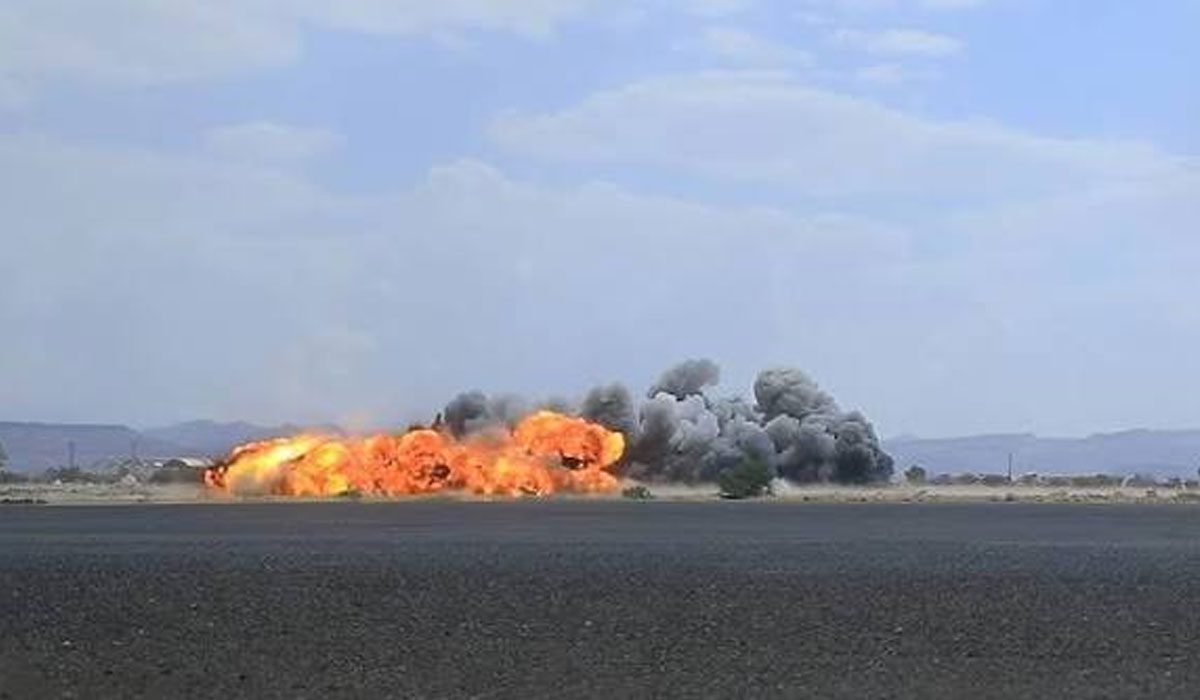
Military violence in Yemen has sharply escalated after Houthi forces launched a major offensive in September 2026, capturing key coastal cities and striking Saudi energy infrastructure. Telangana Today reported that loud explosions rocked the Houthi-held capital Sanaa after renewed Saudi airstrikes. The internationally recognized government, backed by Saudi Arabia, has responded with dozens of strikes on Houthi positions in Sanaa and Saada. UN envoy Hans Grundberg warned the Security Council that Yemen's fragile peace has officially broken, threatening global shipping routes.
The escalation marks the worst fighting since 2022, with Houthi forces now positioned just 75 kilometers from the Bab al-Mandeb Strait — one of the world's most critical shipping chokepoints. Daily Hunk reported that powerful explosions shook buildings across Sanaa as airstrikes intensified. Houthi leaders claim they are conducting a "blockade for blockade" against Saudi Arabia, while the government calls them terrorists threatening regional stability and global trade.
Houthis Capture Coastal Cities and Strike Saudi Targets
Starting in early September, Houthi forces launched a multi-front ground offensive across western Yemen. Jerusalem Post reported that Houthi fighters captured the strategic port city of Mokha and advanced toward Hays, threatening key supply corridors. On October 1–2, Houthi forces struck a power substation in Medina that supplies electricity to the Prophet's Mosque. Days later, they launched ballistic missiles and drones at an Aramco oil facility in Riyadh, Daily Sun reported, with flames and smoke visible from the facility's edges.
Government Forces Launch Retaliatory Air Campaign
Yemen's internationally recognized government responded with a heavy bombardment. In just 48 hours starting October 1, government forces executed over 20 targeted airstrikes against Houthi positions in Taiz Governorate. Munsif Daily reported that explosions caused buildings to shake and windows to rattle across Sanaa. Government spokesman Majed al-Nuzaily declared that forces were delivering "painful strikes against vital targets of the terrorist Houthi militia." The air campaign targeted military staging grounds in Sanaa and Saada, the Houthis' stronghold.
The strikes represent a shift in government strategy toward deeper preemptive attacks designed to prevent future Houthi operations. Military analysts noted the government is trying to avoid past operational failures by hitting Houthi forces before they can mass and attack. Regional intelligence reports indicate Pakistan has deployed 30,000 to 40,000 troops to Saudi Arabia to help defend against missiles and drones and secure border areas.
Shipping Crisis and Global Trade at Risk
Houthi control of coastal areas near the Bab al-Mandeb Strait — a narrow waterway connecting the Red Sea to the Indian Ocean — poses severe threats to global commerce. About 12% of global trade passes through this chokepoint. The presence of armed Houthi forces nearby has already driven up maritime insurance premiums and added days to shipping routes. Ships now must take longer paths around Africa to avoid the conflict zone, raising costs for goods worldwide.
The UN Security Council condemned the renewed violence, citing dangers to freedom of navigation and international commerce. Over 80% of Yemen's population depends on humanitarian aid delivered through Red Sea ports. With fighting intensifying near those ports, aid organizations warn that life-saving supplies — food, medicine, and clean water — face severe distribution delays. The combination of military action and maritime disruption could trigger a humanitarian catastrophe across the already fragile nation.
Sentiment
Mostly NegativeNEGATIVENEUTRALPOSITIVE
Publishers
32
Articles
28
Reach
60
A
AnonymousAuthor


