Abbas UN Address
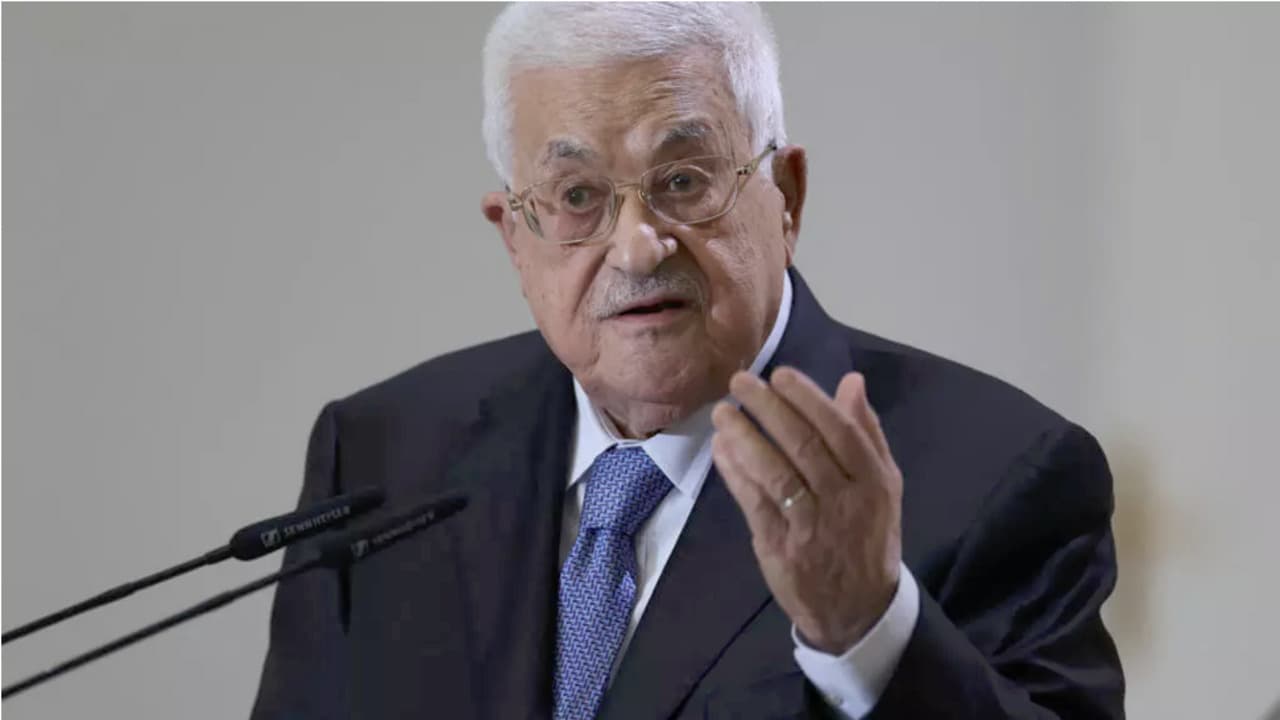
Denied U.S. visas, Mahmoud Abbas delivers a prerecorded UN address accusing Israel of genocide.
Anonymous
Key Points
1
Abbas said the visa denial was the second consecutive year the Palestinian delegation had been barred from attending the General Assembly in person. The U.S. deputy U.N. ambassador said the PA must “stop subsidising terror” and “stop using diplomatic theater as a substitute for serious governance.”
2
Abbas called for implementing a U.S.-unveiled peace plan for the Gaza Strip from the previous year.
3
Abbas warned that Israel’s actions threatened not only the two-state solution but also the Palestinian people’s continued existence in their homeland.
4
Several Middle East meetings were planned on the sidelines of the General Assembly, including discussions about a future administration for Gaza, which the article described as widely destroyed during the Israel-Hamas war.
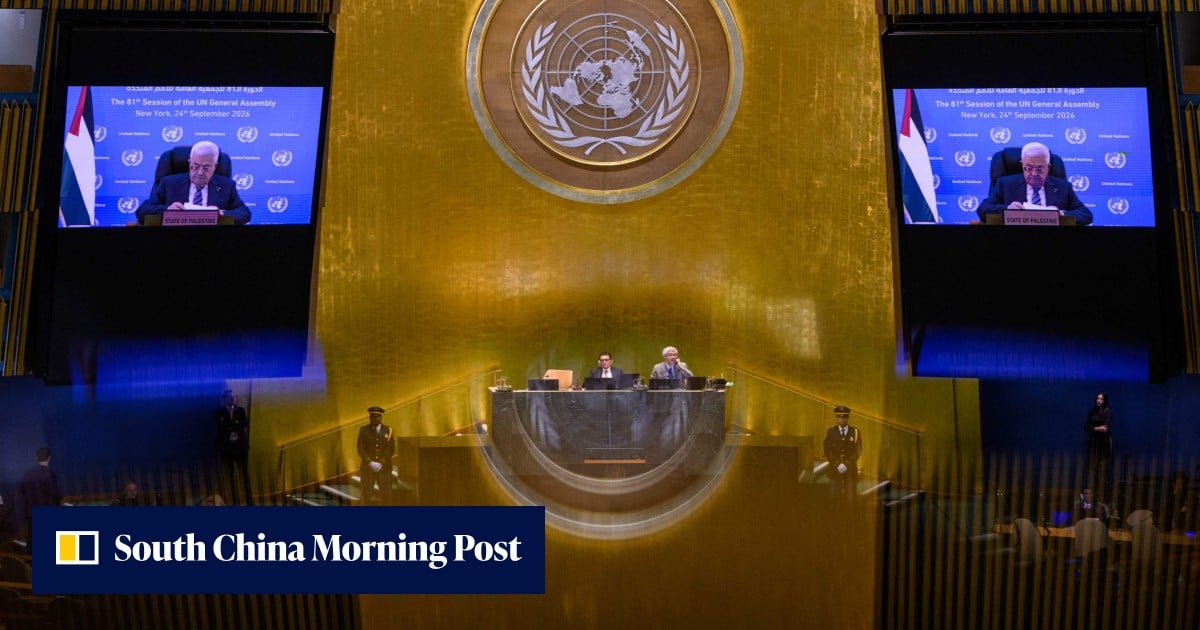
The Trump administration denied visas to Palestinian Authority President Mahmoud Abbas and his delegation for a second consecutive year, barring them from attending the UN General Assembly in person. France24 reported that Abbas delivered a prerecorded video address to world leaders after the General Assembly voted 152 to 3 to permit remote participation, describing Palestinians as facing "one of the most dangerous times in its history."
Abbas accused Israel of genocide in Gaza and expanding settlements in the West Bank, and called for a two-state solution with East Jerusalem as Palestine's capital. Deputy U.S. Ambassador Tammy Bruce said the PA must "stop subsidising terror and stop using diplomatic theater as a substitute for serious governance." Israeli Prime Minister Benjamin Netanyahu attended the assembly in person and met with leaders from Greece and Slovenia.
Abbas Delivers Video Message From Ramallah
The 90-year-old Palestinian leader recorded his address in Ramallah after the UN General Assembly voted to authorize remote speaking. Riyad Mansour, Palestine's permanent UN observer, said the decision meant "this huge elephant in the room will be addressing the General Assembly" despite the visa ban. Abbas warned that Israeli policies "threaten not only the two-state solution but also the Palestinian people's continued existence in their homeland."
US Cites Terror Funding, Palestine Says Treaty Violated
The State Department justified the ban by accusing PA leadership of failing to reform and continuing to pay stipends to families of convicted attackers. Amnesty International called the move "designed to punish the State of Palestine for pursuing international justice" through the International Criminal Court. Palestinian officials said the visa denial breached the 1947 UN Headquarters Agreement, which obligates the US to permit foreign diplomats into the country for UN business.
UN Vote Shows Sharp Divide on Palestinian Representation
The General Assembly passed the virtual participation resolution with overwhelming support: 152 votes in favor, 3 against, and 4 abstentions. Times of Israel reported that only the United States, Israel, and Paraguay voted no. The overwhelming majority underscored international frustration with the visa restrictions and support for Palestinian representation at the world body.
Netanyahu Meets Allies Amid Protest and Diplomatic Tension
Israeli Prime Minister Netanyahu addressed the General Assembly in person while Abbas spoke via video, creating a stark contrast in diplomatic access. Financial Times reported that Netanyahu held bilateral meetings with leaders from Greece and Slovenia to discuss defense, energy, and cooperation. Protests erupted outside UN headquarters during the proceedings, reflecting deep divisions over the Israel-Palestine conflict.
Sentiment
Mostly NegativeNEGATIVENEUTRALPOSITIVE
Publishers
49
Articles
168
Reach
217
Topics
A
AnonymousAuthor