Iran UN Address
Iranian President Masoud Pezeshkian Accuses US of Terrorism at United Nations
Anonymous
Key Points
1
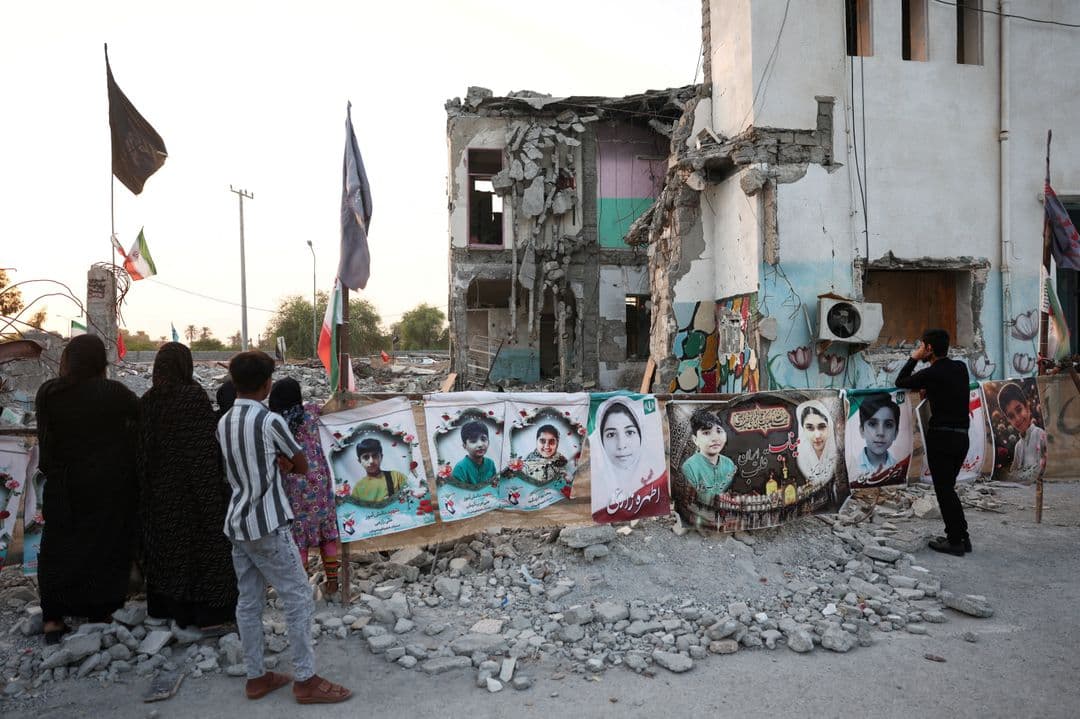
Pezeshkian displayed large photographs of the late Supreme Leader Ali Khamenei alongside images of the more than 150 Iranian schoolchildren killed in the opening days of the war, using them to underscore Iran’s portrayal of itself as a victim.
2
Trump said his chief envoys, Steve Witkoff and Jared Kushner, met Iranian officials for roughly three hours; the encounter was described as the first indirect U.S.-Iranian contact since a June ceasefire collapsed, although Trump acknowledged the Iranian representatives were “not the highest level.”
3
Pezeshkian is regarded as a relatively moderate figure within Iran’s political system and arrived in New York amid heavy security and scrutiny, details that framed his unusually confrontational wartime appearance at the U.N.
4
His assertion that Iran had not struck civilian populations was challenged by the report, which said sailors and migrant workers in the region had been among civilians killed in Iranian attacks since the war began.
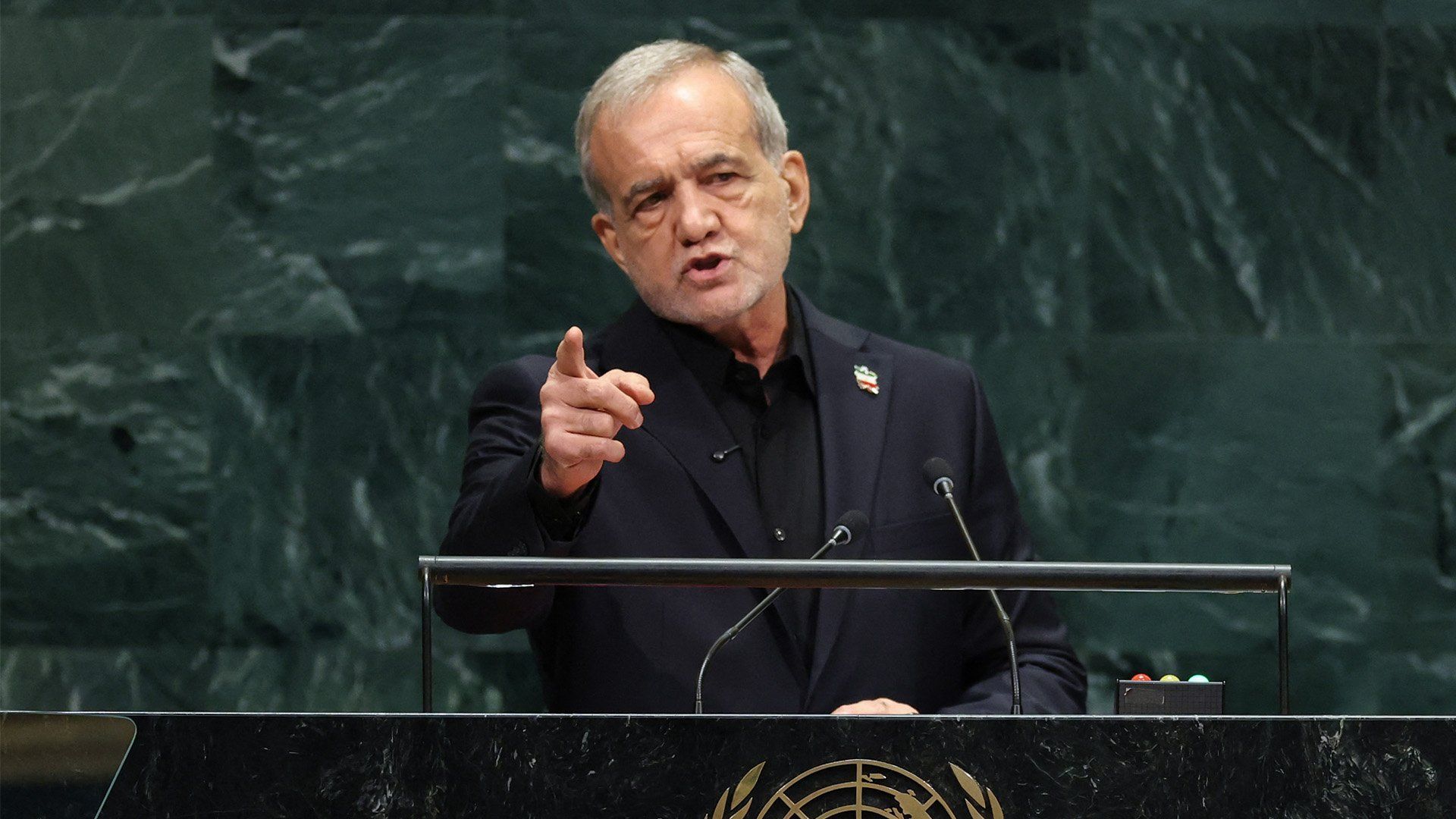
Iranian President Masoud Pezeshkian delivered a defiant wartime address to the U.N. General Assembly on September 23, accusing the United States of terrorism and vowing that Iran would never "bend the knee" despite Trump's threat to "annihilate" the country according to Associated Press. Pezeshkian displayed photographs of over 150 slain Iranian schoolchildren and the late Supreme Leader Ali Khamenei to portray Iran as the victim of foreign aggression Courthouse News Service.
The speech came hours after the U.S. delegation walked out of the assembly hall Ynetnews. Trump's chief envoys Steve Witkoff and Jared Kushner then held a roughly three-hour indirect meeting with Iranian officials in New York — the first high-level contact since a June ceasefire collapsed The Economic Times. Iran downplayed the encounter's importance, while a U.N. fact-finding mission found reasonable grounds to believe the U.S. committed war crimes in strikes on Iranian civilians Courthouse News Service.
Iran's Display of Civilian Casualties at the U.N.
Pezeshkian used stark visual evidence to challenge U.S. claims of precision strikes. He displayed large photographs of over 150 Iranian schoolchildren killed in the opening days of the war, alongside images of Supreme Leader Khamenei Courthouse News Service. The Iranian President directly quoted Trump's threat, saying: "Yesterday, Trump described us as terrorists. We have been the victims of terrorism." Courthouse News Service
War Crimes Allegations Against U.S. Strikes
A U.N. fact-finding mission released a report on September 17 finding reasonable grounds that U.S. airstrikes constitute war crimes under international law Courthouse News Service. The report specifically cited the February 28 strike on the Shajareh Tayyebeh Primary School in Minab, which killed approximately 120 students Courthouse News Service. The U.S. has denied these allegations and characterized the strikes as necessary military action WPXI.
Unexpected U.S.-Iranian Talks Amid Escalating Tensions
Hours after threatening Iran, Trump announced that envoys Steve Witkoff and Jared Kushner held a three-hour side meeting with Iranian officials in New York The Economic Times. Trump called it a "very good meeting" but acknowledged the Iranian representatives were "not the highest level" Associated Press. Iran's Foreign Ministry downplayed the encounter, with spokesperson Esmail Baghaei stating it was "not anything new" WPXI.
Pezeshkian signaled openness to dialogue but rejected negotiations under threats Associated Press. Iran's military leadership condemned Trump's UNGA threats as a "sign of strategic desperation," while Iranian officials pledged to fight "until our last breath" Gephardt Daily. The conflict has already caused at least 3,038 deaths and 25,000 injuries since February, according to U.N. estimates Courthouse News Service.
Strait of Hormuz Attacks Threaten Global Shipping
Iran's threats to the Strait of Hormuz escalated during the U.N. gathering. On September 23, another transit ship was struck by a projectile in the vital shipping lane WPXI. Pezeshkian declared that Iran would not allow the strait "to be used for aggression," signaling continued maritime disruptions WPXI. These attacks threaten global oil flows and shipping routes that pass through the Persian Gulf The Guardian.
Sentiment
Mostly NegativeNEGATIVENEUTRALPOSITIVE
Publishers
32
Articles
203
Reach
235
A
AnonymousAuthor