Bayeux Tapestry UK Tour
Bayeux Tapestry Replica Set for UK Display as Hometown Businesses Suffer
Anonymous
Key Points
1
A restaurant opposite the Bayeux Tapestry Museum reported that the attraction’s absence reduced lunchtime takings by about 20% and evening takings by at least 10%. Restaurant worker Mathis Laîné said, “We noticed a drop in footfall straight away.”
2
Bayeux businesses also say souvenir sales have collapsed: Le Balto manager Marie-Laure Lamare said she had ordered few postcards and magnets but had “still sold almost nothing,” adding that tourists who have not seen the tapestry are less likely to buy related souvenirs.
3
The private collection assembled by antiquarian bookseller Tom Ayling begins with Antoine Lancelot’s 1729 printed discussion of the tapestry and includes the first complete reproduction, early color reproductions, Charles Stothard’s drawings and the first complete photographic record from 1875.
4
Ayling’s collection also documents the tapestry’s near-destruction in 1794 and its use as Napoleonic propaganda at an 1803 exhibition at the Louvre; the collection is being offered through private sale for £17,500.
5
An Isle of Wight Arts Society lecture by Dr Sam Newton will examine the embroidery using the Bayeux Museum’s official digital edition. The event requires advance booking and will not be broadcast on Zoom because of copyright restrictions.
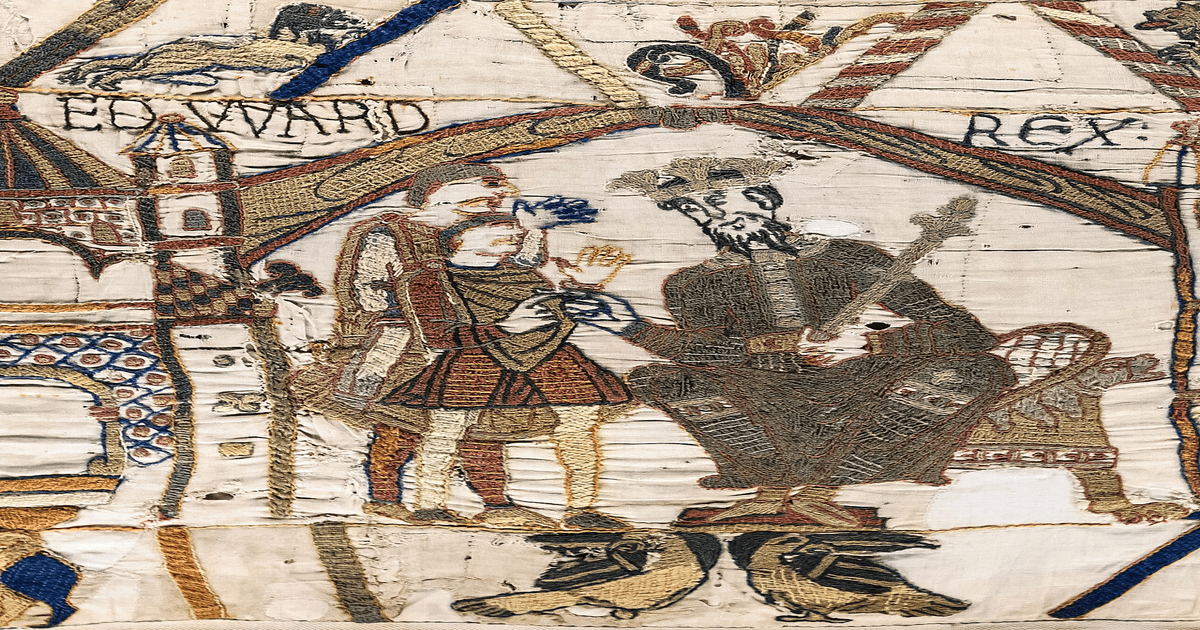
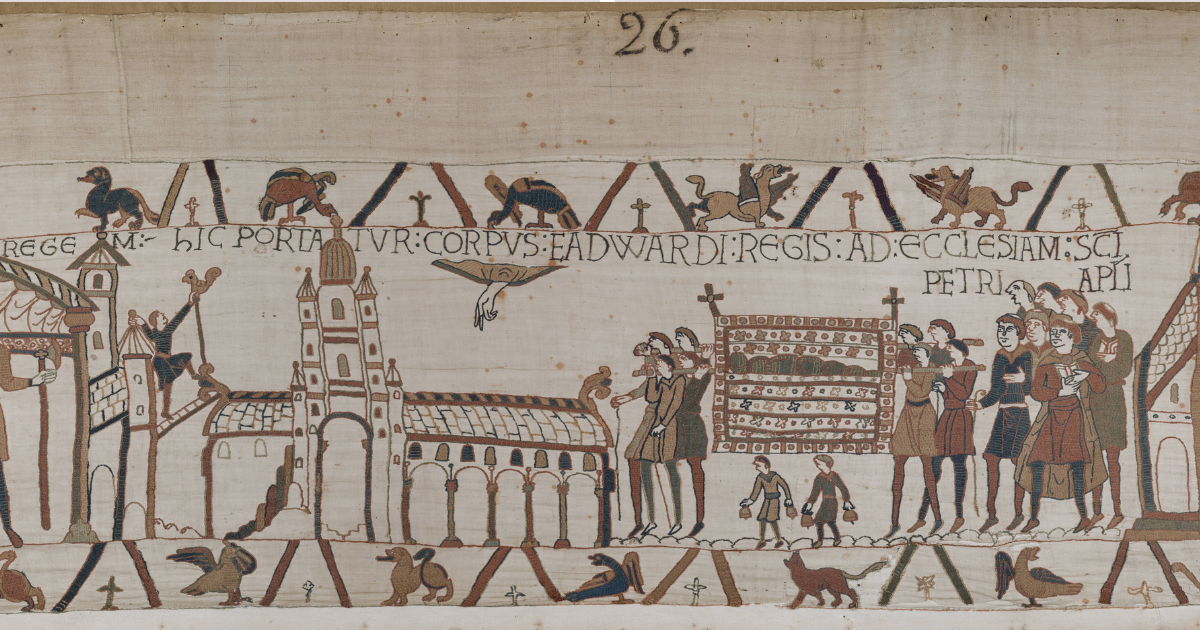
Nearly 1,000 years after its creation, the Bayeux Tapestry is drawing record crowds at the British Museum in London—its first-ever display outside Normandy. The 70-meter embroidered masterpiece, which depicts the Norman conquest of England and the 1066 Battle of Hastings, has pulled so many visitors that the British Museum banned photography to keep crowds moving through the sold-out exhibition. Art and Object reports the tapestry, a 230-foot-long strip of linen, marks a historic moment for the artifact.
But the tapestry's departure from its home in Bayeux, France—where it went for renovation—has devastated the small town's tourism economy. Local businesses report sharp drops in sales and foot traffic, while a free full-scale printed replica will soon offer British audiences another chance to experience this medieval treasure.
Bayeux Businesses Struggle Without Their Famous Attraction
The tapestry's absence has hit Bayeux hard. A restaurant opposite the Bayeux Tapestry Museum saw lunchtime takings drop about 20% and evening sales fall at least 10%. Restaurant worker Mathis Laîné said, "We noticed a drop in footfall straight away." Souvenir shops have suffered equally—Museums and Heritage notes that Le Balto manager Marie-Laure Lamare ordered far fewer postcards and magnets but "still sold almost nothing."
Tourists who haven't seen the actual tapestry show little interest in buying related souvenirs. Lamare explained that visitors need the emotional experience of viewing the original to motivate purchases. The Bayeux Museum's renovation timeline means the tapestry will remain in London through spring 2025, extending the economic pain for the French town.
A Replica Comes to England's Cotswolds Region
A solution is arriving for British audiences: a full-scale printed replica of the Bayeux Tapestry will be exhibited free at Tewkesbury Abbey in Gloucestershire starting October 22 through July 2025. The replica provides a chance for visitors outside London to experience the tapestry's scale and detail without the crowds and photo bans. No admission fee means families across England can access this medieval story at no cost.
Alongside the exhibition, Tewkesbury Abbey will host related lectures examining the tapestry's historical significance. An Isle of Wight Arts Society lecture by Dr. Sam Newton will use the Bayeux Museum's official digital edition to explore the embroidery. The event requires advance booking and won't be broadcast on Zoom due to copyright restrictions.
A Rare Collection Traces 900 Years of Tapestry History
Antiquarian bookseller Tom Ayling has assembled a private collection documenting how the Bayeux Tapestry transformed from obscure artifact to global icon. The collection begins with Antoine Lancelot's 1729 printed discussion and includes the first complete reproduction, early color reproductions, Charles Stothard's drawings, and the first photographic record from 1875.
Ayling's materials also chronicle near-catastrophes and myths surrounding the work. The collection documents the tapestry's near-destruction in 1794 and its controversial use as Napoleonic propaganda at an 1803 Louvre exhibition. This rare assemblage, offered through private sale for £17,500, shows how one medieval object shaped centuries of art, history, and political messaging across Europe.
Sentiment
Mostly NegativeNEGATIVENEUTRALPOSITIVE
Publishers
14
Articles
11
Reach
25
A
AnonymousAuthor