India Plans 350-Kmph Bullet Trains by 2030
India Plans 350-Kmph Bullet Trains by 2030
Anonymous
Key Points
1
The proposed B35 trains are projected to cut travel time substantially, with Delhi–Patna journeys taking less than three hours and Ahmedabad–Mumbai trips taking under 90 minutes.
2
Japan’s E10 trains are expected to be ready for commercial operations by 2034, and Indian officials said the possibility of using them on the Mumbai–Ahmedabad corridor could be considered once they become available.
3
The E10 programme follows Japan’s decision in December 2024 to gradually phase out production of its existing E5 Shinkansen trains.
4
A major contributor to the Mumbai–Ahmedabad project’s cost increase is land acquisition, whose estimated cost has risen more than threefold to approximately ₹19,700 crore.
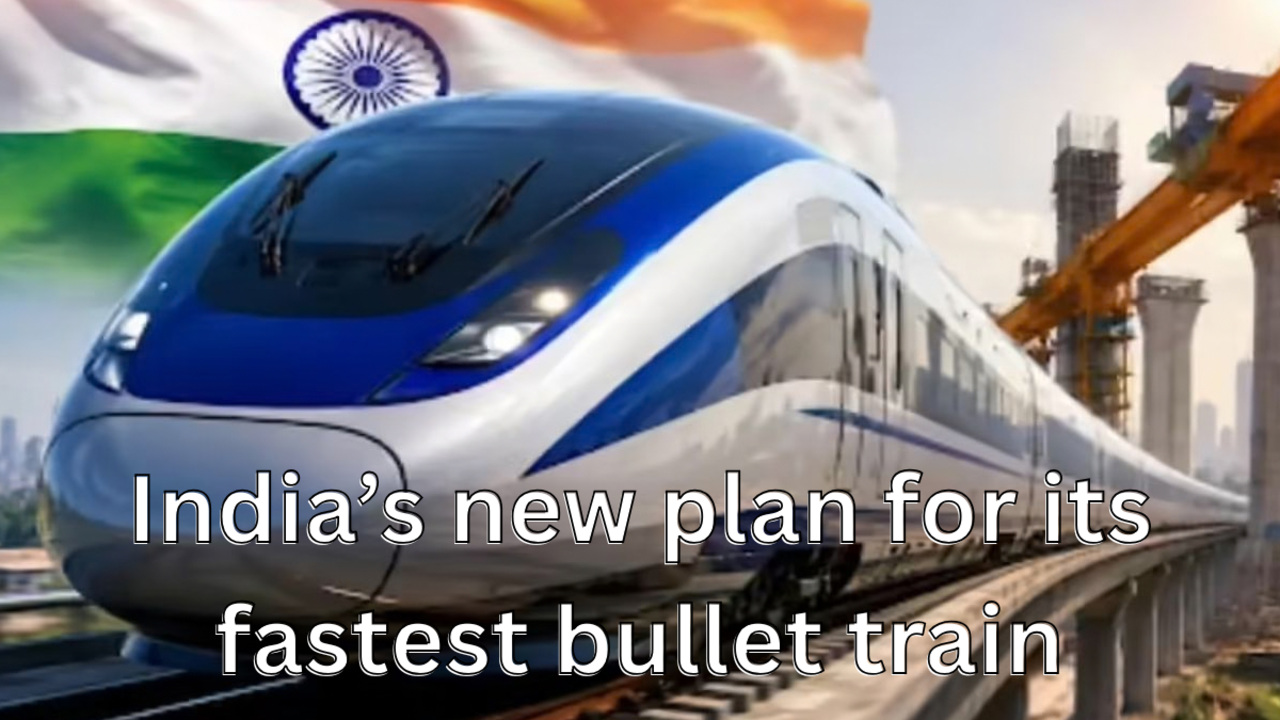
India is developing its own high-speed bullet train, the B35, designed to reach 350 kmph by 2030 as part of a push to build domestic rail expertise MetroRail News. The initiative is tied to the Mumbai–Ahmedabad corridor, whose revised cost has ballooned to ₹2 lakh crore, with nearly ₹1 lakh crore expected from the Union budget Economic Times.
The corridor will initially use B28 trains capable of 280 kmph, with prototypes set for trials in early 2027 and full completion by December 2030 MetroRail News. India is positioning the B35 alongside Japan's next-generation E10 Shinkansen, expected to enter commercial service by 2034 Daily Sun.
B35 Trains Will Slash India's Journey Times
The new B35 trains will drastically cut travel times across India. A Delhi–Patna trip will take less than three hours, while Ahmedabad–Mumbai journeys will drop below 90 minutes Daily Sun. This represents a major leap forward in India's domestic transport infrastructure.
First B28 Prototypes Coming to Tracks in 2027
Before the B35 arrives, India will test the slower B28 trains. BEML has been contracted to manufacture 47 B28 trains designed for 280 kmph MetroRail News. Prototypes are scheduled to begin trials in early 2027, giving engineers a crucial testbed for advanced rail technology.
Commercial services on a partial section between Surat and Vapi are expected to begin by 2027 Gujarat Samachar. This phased approach allows India to validate systems before full deployment on the entire corridor.
Land Acquisition Costs Have Tripled
The Mumbai–Ahmedabad project's budget has surged largely due to land acquisition expenses. The estimated cost for acquiring land has risen more than threefold to approximately ₹19,700 crore Economic Times. This single factor accounts for a major chunk of the project's ₹2 lakh crore total budget.
India Eyes Japan's E10 as Future Option
Japan is phasing out production of its current E5 Shinkansen trains, with the decision made in December 2024 Daily Sun. The next-generation E10 is expected to be ready for commercial operations by 2034 Daily Sun. Indian officials have indicated that using E10 trains on the Mumbai–Ahmedabad corridor could be considered once they become available.
Sentiment
Mostly PositiveNEGATIVENEUTRALPOSITIVE
Publishers
21
Articles
10
Reach
31
Topics
A
AnonymousAuthor


