KAAN P1 Test Flight Nears
Turkey's KAAN P1 Stealth Fighter Completes Taxi Tests, Nearing First Flight for Advanced Indigenous Program
Anonymous
Key Points
1
P1 is designed with a more mature systems architecture and will carry the bulk of performance, avionics, and mission-systems validation, with P2 also in development to accelerate the test campaign.
2
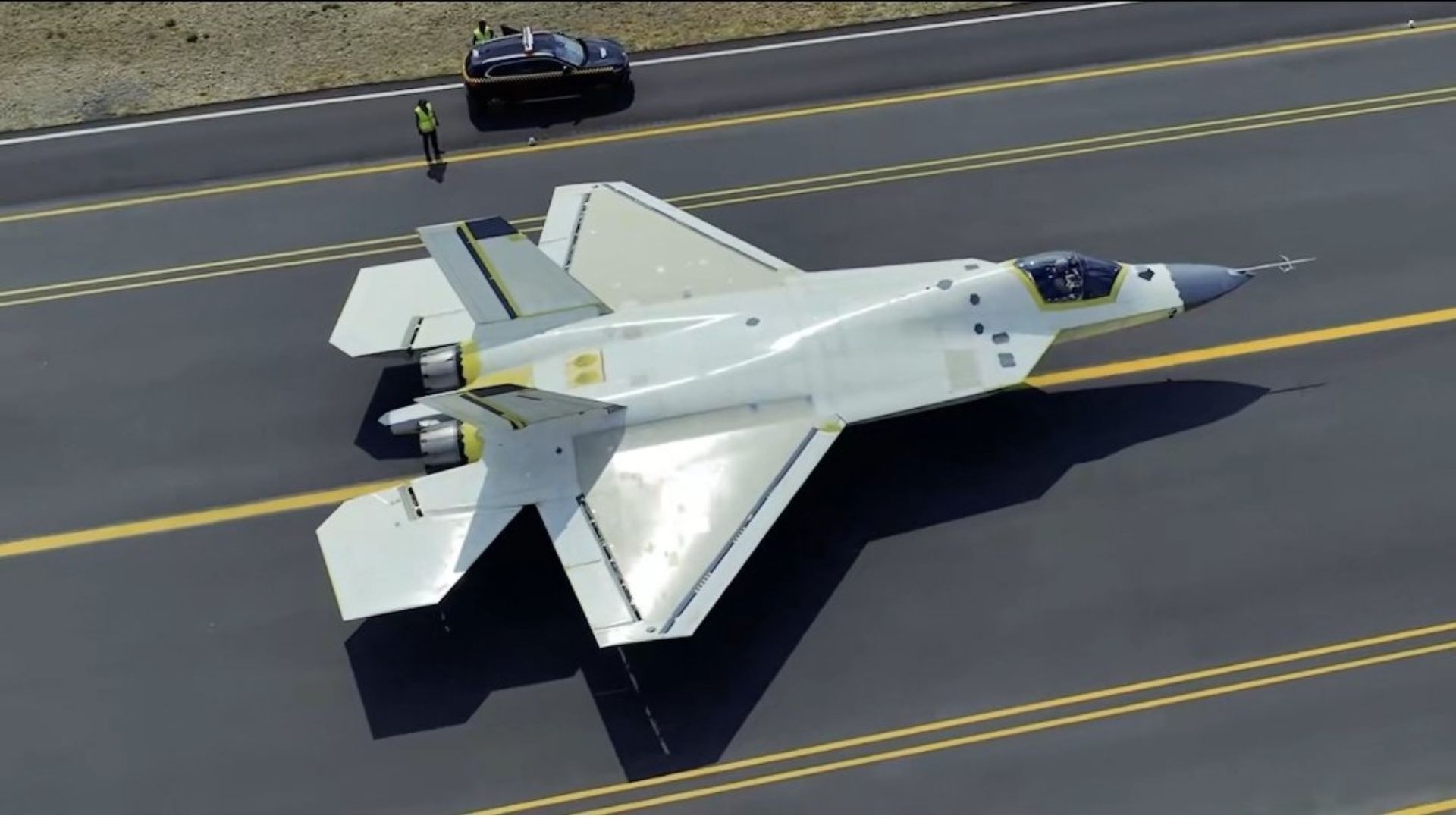
KAAN P1 completed its first taxi test on July 31, 2026 at TAI’s Ankara facility, with flight testing expected to begin within months and P2 following closely to keep the schedule on track.
3
The production plan envisions an initial production batch of 40 KAAN airframes, which will be powered by GE F110 engines, with later Block-30 aircraft scheduled to adopt indigenous TEI TF-35000 engines by 2033.
4
Indonesia has placed an order for 48 KAAN Block-30 fighters, with broader export interest including Pakistan, Azerbaijan, Qatar and potential NATO-market interest such as Spain.
5
In May 2026, Türkiye’s Presidency of Defense Industries contracted an initial batch of 20 Block-10 KAAN airframes, with deliveries expected between 2028 and 2030.
Turkey's KAAN stealth fighter program hit a major milestone on July 31, 2026, when the P1 prototype completed its first taxi test at Turkish Aerospace Industries' facility in Ankara, according to Quwa. Flight testing is now expected to begin before the end of 2026, putting Türkiye's flagship fifth-generation jet on track for its first deliveries to the Turkish Air Force around 2028.
P1 is the second airworthy KAAN prototype, following P0, which first flew in 2024. The Aviationist reports that P1 carries a more mature systems design and will lead the bulk of avionics, performance, and mission-systems testing. A third prototype, P2, is also in development to help keep the schedule on track.
P1 Taxi Tests Put Flight Campaign Within Reach
During taxi testing, engineers check braking, steering, and engine response at increasing speeds on the runway — all steps that must pass before a jet can fly, Head Topics explained. The tests take place at TAI's Ankara facility, where footage released by the company shows P1 rolling under its own power for the first time.
The War Zone notes that P1 follows the original P0 prototype, which built up a flight record through 2024 and into 2025. P1 is designed with lessons learned from P0 baked in. Once P1 takes flight, P2 will join the test campaign to speed up the overall program.
First Orders Signed, Deliveries Set for 2028
In May 2026, Türkiye's Presidency of Defense Industries signed a contract for an initial batch of 20 Block-10 KAAN airframes, according to Quwa. Deliveries are expected between 2028 and 2030. The full first production batch is planned at 40 aircraft.
Before those 40 production jets, Defense Mirror reports that three pre-production airframes will be built. The overall production goal stands at roughly 250 aircraft for the Turkish Air Force. All early Block-10 jets will use American-made GE F110 engines.
Turkey Races to Swap US Engines for Homegrown Power
Quwa highlights that Türkiye is working hard to end its reliance on the GE F110. The plan is to switch to the indigenous TEI TF-35000 engine for the Block-30 variant, with that transition targeted for around 2033. The engine swap is central to Türkiye's push for full defense self-sufficiency.
The drive for domestic engines comes partly from Türkiye's removal from the F-35 program in 2019, after it bought Russian S-400 air defense systems. That exit forced Ankara to accelerate KAAN as its primary path to a modern stealth fighter, free from foreign supply-chain risk.
Indonesia Leads Growing Export Interest in KAAN
KAAN is not just a domestic program. Indonesia has placed an order for 48 Block-30 KAAN fighters, making it the program's first confirmed export customer, Quwa reports. Other countries showing interest include Pakistan, Azerbaijan, Qatar, and potentially Spain within NATO markets.
The export push centers on the Block-30 variant, which will carry the indigenous TEI engine and a more complete suite of mission systems. For buyers, the appeal is a modern fifth-generation platform that comes with full domestic support — no dependence on a single foreign supplier.
Sentiment
Mostly PositiveNEGATIVENEUTRALPOSITIVE
Publishers
13
Articles
7
Reach
20
A
AnonymousAuthor