Russian Provocation Near Denmark
Russian Frigate Fires Flares Near Danish Military Helicopter in International Waters
Anonymous
Key Points
1
The encounter occurred off Gedser, on the southern tip of Denmark’s Falster island, roughly 130 kilometers south of Copenhagen.
2
Danish Defence Minister Jeppe Bruus said he regarded the incident seriously and viewed it as evidence that Russia was pushing the boundaries of acceptable risk-taking.
3
About 400 soldiers from 10 NATO countries were participating in Arctic exercises during September, operating on land, at sea and in the air near Narsarsuaq and Kangerlussuaq in Greenland.
4
Denmark’s Arctic Command said the exercise forms part of a longer-term effort to turn NATO’s northern flank—from Alaska through Canada and Greenland to northern Norway—into a “hard target.”
5
President Donald Trump has criticized Denmark for not doing enough to protect Greenland from threats posed by Russia and China.
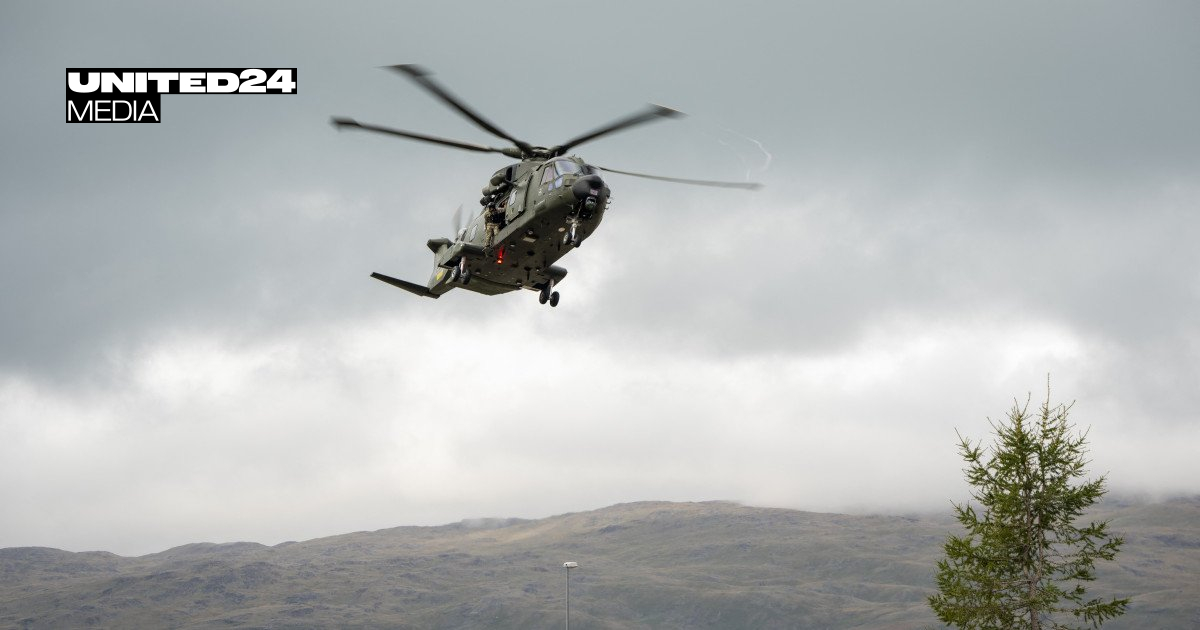
A Russian frigate fired two flares toward a Danish military helicopter off Denmark's coast on September 14, with one flare passing dangerously close to the aircraft. New York Post reported that the Fennec helicopter was conducting a routine photography mission in international waters south of Copenhagen when the Russian Navy warship launched the flares. No injuries were reported, but Danish officials described the incident as a serious provocation and potential escalation of tensions with Russia.
Danish Prime Minister Lars Løkke Rasmussen condemned the incident as "reckless" and accused Russia of attempting to intimidate Denmark. The Moscow Times reported that Denmark has summoned Russia's ambassador in response. The encounter comes as NATO conducts Arctic exercises with 400 soldiers from 10 countries and amid growing concerns about Russian and Chinese threats to Greenland and the Arctic region.
Where the Encounter Happened and What Sparked It
The incident occurred off Gedser, on the southern tip of Denmark's Falster island, roughly 130 kilometers south of Copenhagen in international waters. The Danish Fennec helicopter was on a routine photographic mission when the Russian frigate fired two flares. One flare passed close enough to the aircraft to pose a genuine safety risk, though the helicopter was not struck and no personnel were injured.
Denmark Calls It Evidence of Russian Risk-Taking
Danish Defence Minister Jeppe Bruus called the flare attack a serious breach of acceptable behavior. The Moscow Times reported that Bruus said Russia was "pushing the boundaries of acceptable risk-taking." Denmark's response was swift: officials summoned Russia's ambassador to explain the hostile action. The government viewed the incident not as an isolated event but as part of a pattern of aggressive Russian behavior in the region.
NATO Strengthens Arctic Defenses as Tensions Rise
The flare incident occurred during NATO Arctic exercises involving 400 soldiers from 10 countries operating in Greenland near Narsarsuaq and Kangerlussuaq. United24media reported that Denmark's Arctic Command views the exercises as part of a long-term effort to transform NATO's northern flank—stretching from Alaska through Canada and Greenland to northern Norway—into a "hard target" that deters aggression.
The timing is significant. President Donald Trump has criticized Denmark for not doing enough to shield Greenland from threats posed by Russia and China. This flare attack reinforces European concerns about Russian aggression and underscores why Denmark and other Arctic nations are rapidly strengthening military capabilities in the region.
Sentiment
Mostly NegativeNEGATIVENEUTRALPOSITIVE
Publishers
52
Articles
193
Reach
245
A
AnonymousAuthor


