NEET-SS Cutoff Reduced
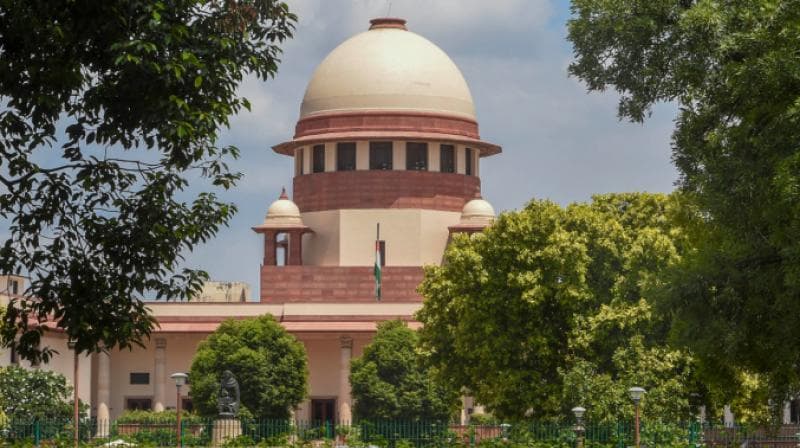
Supreme Court approves reducing NEET-SS cutoff to 30 percent to fill vacant seats
Anonymous

Key Points
1
The Supreme Court proceedings were conducted before a Bench headed by Justice P.S. Narasimha, which considered the Centre’s submission on the unfilled super-speciality seats.
2
The Tamil Nadu Medical Officers Association’s request for a zero-percentile cutoff was based on the policy having been adopted in each of the previous two years, according to the court report.
3
The Supreme Court also allowed Tamil Nadu to let NEET-SS candidates upgrade their seats during the State’s stray vacancy process, an additional measure alongside the one-week local counselling round.
4
The Tamil Nadu government and the petitioner association had argued that restoring the 40 in-service seats could help more government doctors—especially those working in rural areas—obtain specialised medical training.
India's Supreme Court approved a major shift in medical education access on Tuesday, allowing the Union government to lower the NEET-Super Speciality qualifying cutoff from the 50th percentile to the 30th percentile Hindustan Times. The change aims to fill 1,857 vacant super-speciality seats left empty after the second counselling round. Around 6,000 candidates will now become eligible — roughly three times the number of available seats Jagran Josh.
The Court also ordered Tamil Nadu to receive 40 in-service super-speciality seats for a one-week state-run vacancy round Times of India. This move directly helps government doctors—especially those in rural areas—access specialized medical training. Any seats that remain unfilled will return to the national pool for wider distribution.
How the 30% Cutoff Expands the Candidate Pool
By dropping the threshold from 50th to 30th percentile, the government opens doors for roughly 6,000 doctors to compete for 1,857 seats Mathrubhumi. The previous 50th percentile requirement left thousands of qualified candidates ineligible despite having passed the entrance exam. This threefold expansion of the applicant pool makes better use of available medical training capacity without lowering absolute standards.
Tamil Nadu's Push for Even Lower Requirements
The Tamil Nadu Medical Officers Association had pushed the Court for a zero-percentile cutoff Mathrubhumi. They argued this policy had worked in both previous years. State officials and the association emphasized that lower barriers help government doctors—many serving in underserved rural regions—gain access to specialized training they otherwise couldn't afford or secure.
Supreme Court's Balanced Compromise on Seat Allocation
Justice P.S. Narasimha's bench rejected the zero-percentile request but sided with Tamil Nadu on seat restoration Times Now. The state gets 40 in-service seats for its own stray round, plus permission for candidates to upgrade during that process. Unmatched seats then flow back to the national pool, balancing state interests with broader medical workforce needs.
Why Filling These Seats Matters for India's Medical System
Nearly 1,857 vacant super-speciality posts mean critical medical roles sit empty across India Centre Agrees. These aren't routine doctor positions—they're specialized fields like cardiology and oncology where shortages directly affect patient care. Getting these seats filled, even with a lower cutoff, ensures the country builds its specialist workforce faster and more efficiently.
Sentiment
Mostly NegativeNEGATIVENEUTRALPOSITIVE
Publishers
22
Articles
14
Reach
36
Topics
A
AnonymousAuthor