Navodaya Land Dispute
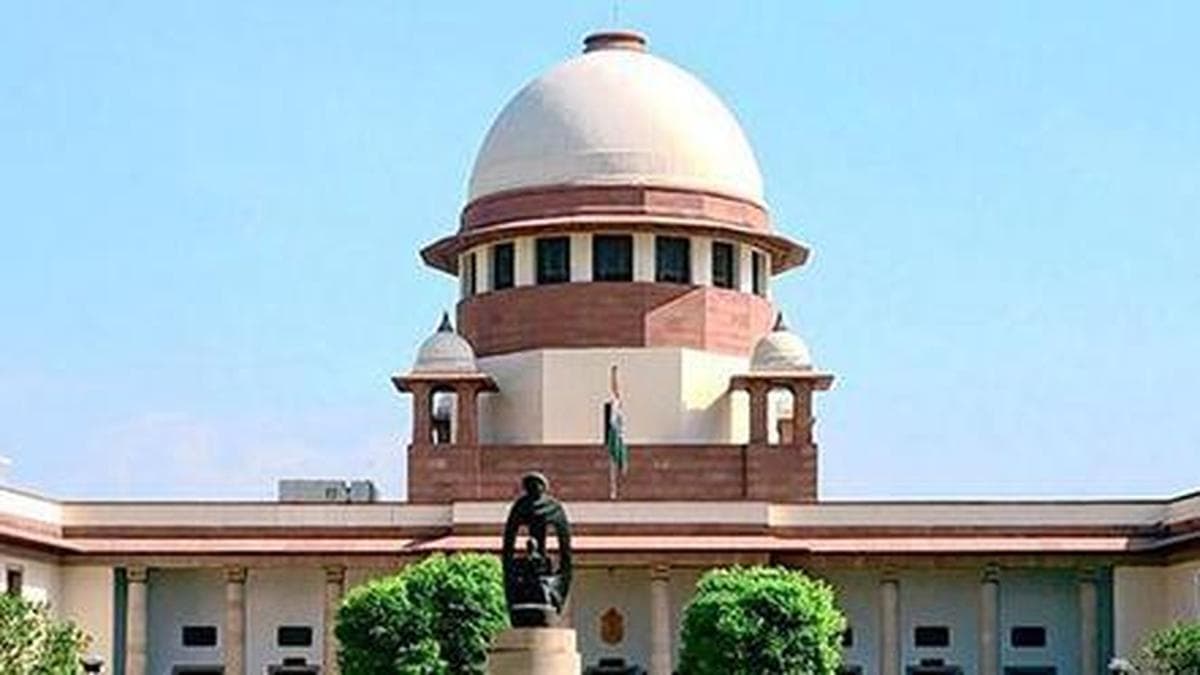
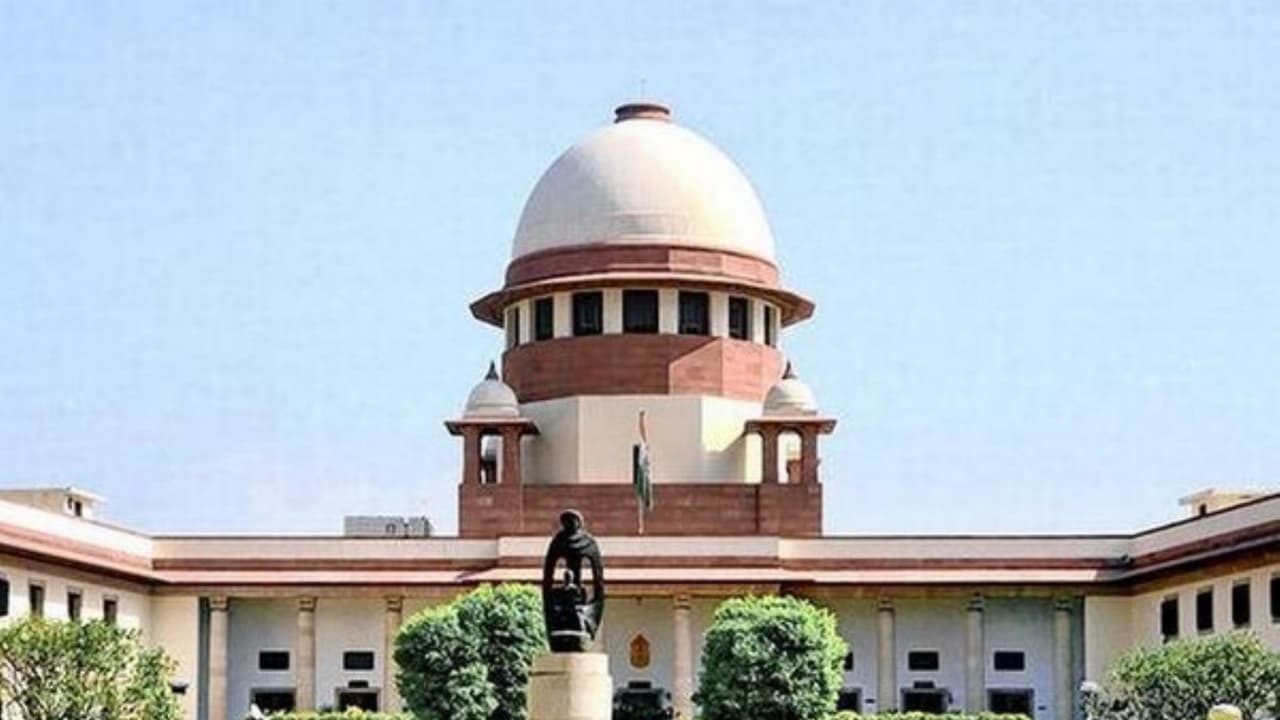
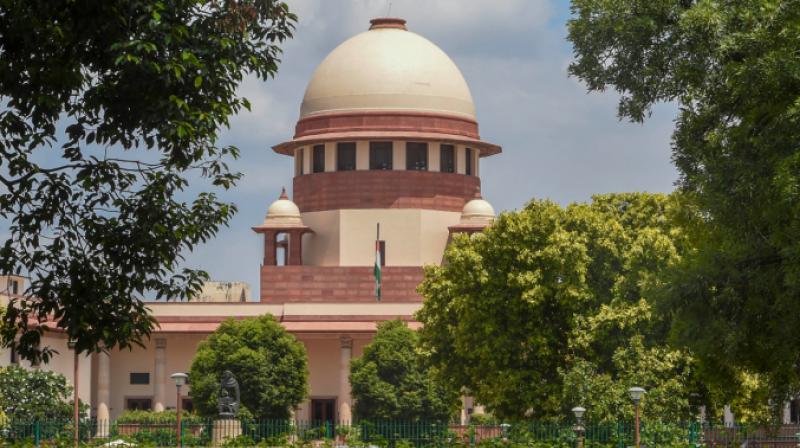
Supreme Court Directs Tamil Nadu to Identify Land for Navodaya Schools
Anonymous
Key Points
1
The case stems from a September 11, 2017, Madras High Court order directing Tamil Nadu to identify an appropriate site and building and subsequently allocate suitable land for a Navodaya school in every district; the Supreme Court had reaffirmed the land-identification requirement on December 15, 2025.
2
Tamil Nadu’s March affidavit under the previous DMK government described the Navodaya scheme as “fundamentally incompatible” with the State’s two-language policy and alleged that imposing it would be a “backdoor” attempt to make Hindi compulsory.
3
The State’s current Tamilaga Vettri Kazhagam (TVK) government also opposed the scheme, arguing that the choice of language is a fundamental right and that a policy cannot be imposed contrary to Tamil Nadu’s own laws and policies.
4
The court’s interim land direction is subject to its final orders, while representatives of the Centre and Tamil Nadu are expected to continue discussing not only language policy but also issues such as funding and the broader policy of establishing the schools.
India's Supreme Court has ordered Tamil Nadu to identify suitable government land in all 38 districts within three months for Jawahar Navodaya Vidyalayas—elite residential schools run by the central government. ABP Live The order rejects the state's plea to cancel an earlier December 2025 directive, reigniting a decade-long clash over Hindi language policy and federal power.
The core dispute centers on the schools' three-language framework, which includes Hindi alongside English and Tamil. Times of India Tamil Nadu insists this conflicts with its statutory two-language policy established in 1968. Justice B.V. Nagarathna told the state: "You have to change your mindset, it can't be that Hindi will not be taught on the soil of Tamil Nadu." Times of India The court urged both sides to resolve the impasse through dialogue by the next hearing on December 14.
A 40-Year Battle Over Language and Control
Tamil Nadu has resisted central education schemes for four decades. Daily Pioneer The Madras High Court first ordered land identification for Navodaya schools in September 2017. Deccan Chronicle Now, no single Navodaya school operates in Tamil Nadu—the only state in India without one. The issue traces back to anti-Hindi agitations in 1968, when Tamil Nadu adopted a strict two-language policy: Tamil and English only.
In March 2026, Tamil Nadu's previous DMK government filed an affidavit calling the scheme "fundamentally incompatible" with state law. Daily Pioneer The newly formed Tamilaga Vettri Kazhagam government under Chief Minister Vijay maintains this opposition. Senior Advocate Jaideep Gupta, representing the state, argued that accepting a central mandate on education—a matter listed in India's Concurrent List—would set a "troubling precedent for federalism."
Supreme Court Rejects State's Request to Cancel Order
On September 17, 2026, a Supreme Court bench rejected Tamil Nadu's plea to recall the land-identification directive. The Hans India Instead of canceling the order, justices granted the state three more months to comply. The court emphasized that identifying land does not mean immediate acquisition or construction. Deccan Chronicle The bench stressed that Navodaya schools would expand educational access without weakening Tamil Nadu's existing institutions.
Justice Nagarathna made blunt remarks about federal cooperation. Times of India "People in Chennai should not alienate Delhi and vice versa," she said. "Coming from Delhi will not lower the standards of Chennai." The court framed Navodaya schools as complementary to state education, not a threat. ABP Live Yet Tamil Nadu argues that the court is overstepping its role by forcing a central policy against state law.
What's Really at Stake for Tamil Nadu
Tamil Nadu claims the three-language framework makes Hindi the dominant subject in higher grades. Daily Pioneer The state argues that language choice is a fundamental right and that no central policy should override state statutes. Daily Pioneer About 1,500 private and CBSE-affiliated schools in Tamil Nadu already teach three languages without legal friction—suggesting a workaround exists.
Tamil Nadu has flagged a financial grievance: it claims the central government withheld ₹5,000 crore (roughly $600 million) in promised educational funds. Deccan Chronicle The state must now locate government land across 38 districts by mid-December while negotiations on language policy continue. The Hans India The next court hearing is scheduled for December 14, when representatives of both the Union and state will present progress.
Sentiment
Mostly NegativeNEGATIVENEUTRALPOSITIVE
Publishers
31
Articles
21
Reach
52
Topics
A
AnonymousAuthor